Safety Requirements for Using a Pallet Dolly on a Mezzanine Floor Pallet Dolly
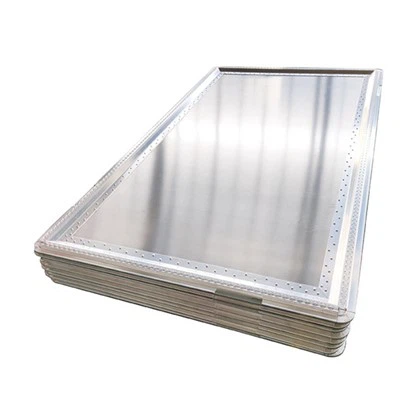
As a supplier of pallet dollies, I understand the importance of safety when it comes to using our products, especially on mezzanine floors. Mezzanine floors are elevated platforms that provide additional storage or workspace in a facility. Using a pallet dolly on a mezzanine floor requires careful consideration of safety requirements to prevent accidents and ensure the well – being of workers.
1. Structural Integrity of the Mezzanine Floor
First and foremost, the mezzanine floor itself must be structurally sound. Before using a pallet dolly on it, a thorough inspection of the mezzanine should be carried out. The floor should be able to support the combined weight of the pallet dolly, the load it is carrying, and the operator. This means checking for any signs of damage, such as cracks, rust, or loose connections.
The load – bearing capacity of the mezzanine floor should be clearly marked. As a pallet dolly supplier, I always advise our customers to know the maximum weight that their mezzanine can handle. Overloading the mezzanine can lead to structural failure, which is extremely dangerous. For example, if a mezzanine is rated to support 5000 pounds and a pallet dolly with a heavy load exceeds this limit, the floor may collapse, causing serious injuries and damage to property.
2. Pallet Dolly Selection
Choosing the right pallet dolly for use on a mezzanine floor is crucial. The dolly should be appropriate for the type of load and the conditions of the mezzanine. For instance, if the mezzanine has a smooth surface, a standard pallet dolly with hard wheels may be sufficient. However, if the surface is uneven or has some debris, a dolly with pneumatic or rubber – tired wheels might be a better choice as they can provide better traction and stability.
The size of the pallet dolly also matters. It should be able to maneuver easily on the mezzanine floor without hitting the walls or other obstacles. A dolly that is too large may cause difficulties in turning and navigating tight spaces, increasing the risk of collisions. Additionally, the load – capacity of the pallet dolly should be matched to the weight of the loads typically handled on the mezzanine. Using an under – rated dolly can lead to overloading and potential breakdown.
3. Operator Training
Proper training of the operators is essential for safe use of a pallet dolly on a mezzanine floor. Operators should be familiar with the controls and functions of the pallet dolly. They need to know how to start, stop, and maneuver the dolly safely. Training should also cover how to handle different types of loads, such as how to secure the load properly to prevent it from shifting during transport.
Operators should be educated about the specific safety features of the mezzanine floor, such as guardrails and access points. They should understand the importance of using these safety features correctly. For example, they should always stay behind the guardrails when operating the pallet dolly near the edge of the mezzanine.
In addition, operators should be trained on emergency procedures. In case of an accident or malfunction, they should know how to respond quickly and safely. This includes knowing how to shut down the pallet dolly, how to call for help, and how to evacuate the mezzanine if necessary.
4. Load Securement
Proper load securement is a key safety requirement. When using a pallet dolly on a mezzanine floor, the load must be firmly attached to the dolly. This can be done using straps, ropes, or other appropriate securing devices. Loose loads can shift during transport, causing the dolly to become unstable and potentially tip over.
The load should also be evenly distributed on the pallet dolly. An unevenly distributed load can create an imbalance, making it difficult to control the dolly and increasing the risk of accidents. For example, if a heavy object is placed on one side of the dolly, it may cause the dolly to tilt, especially when going around corners or over bumps.
5. Traffic Management
On a mezzanine floor, traffic management is vital. There should be clear traffic lanes marked on the floor to ensure the safe movement of pallet dollies. Operators should be trained to follow these lanes and to yield to other vehicles or pedestrians.
Signage should be installed to indicate speed limits, no – entry areas, and other important safety information. For example, a "Slow Down" sign can be placed near corners or areas with limited visibility. This helps to prevent collisions and ensures the smooth flow of traffic on the mezzanine.
6. Maintenance and Inspection
Regular maintenance and inspection of the pallet dolly are necessary to ensure its safe operation on the mezzanine floor. The dolly should be checked for any signs of wear and tear, such as worn – out wheels, loose bolts, or damaged handles. Any defects should be repaired immediately.
The brakes of the pallet dolly should be in good working condition. Faulty brakes can lead to uncontrolled movement of the dolly, which is extremely dangerous, especially on a mezzanine floor. Operators should also be trained to perform pre – use inspections of the dolly to identify any potential problems before starting work.
7. Emergency Equipment
Appropriate emergency equipment should be available on the mezzanine floor. This includes fire extinguishers, first – aid kits, and emergency exits. Operators should know the location of these emergency equipment and how to use them.
In case of a fire, the fire extinguisher should be easily accessible and the operator should be trained to use it correctly. First – aid kits should be stocked with essential supplies to treat minor injuries. Emergency exits should be clearly marked and unobstructed at all times to ensure a quick and safe evacuation in case of an emergency.
8. Communication
Effective communication is important when using a pallet dolly on a mezzanine floor. Operators should be able to communicate with each other and with other workers in the facility. This can be done through the use of radios, hand signals, or other communication devices.
For example, if an operator is about to turn a corner or is backing up, they should communicate their intentions to other workers to prevent collisions. Communication also helps in coordinating the movement of pallet dollies and other equipment on the mezzanine floor.
Conclusion
In conclusion, using a pallet dolly on a mezzanine floor requires strict adherence to safety requirements. As a pallet dolly supplier, I am committed to providing our customers with high – quality products and also to promoting safety in their use. By ensuring the structural integrity of the mezzanine, selecting the right pallet dolly, training operators, securing loads, managing traffic, maintaining the dolly, having emergency equipment, and promoting communication, we can significantly reduce the risk of accidents on mezzanine floors.

If you are in need of a reliable pallet dolly for your mezzanine floor or have any questions about safety requirements, please feel free to contact us for a discussion. We are here to help you make the best choice for your business and ensure the safety of your operations.
Air Cargo Pallet References
- Occupational Safety and Health Administration (OSHA) guidelines on warehouse safety
- Industry standards for mezzanine floor construction and use
- Manufacturer’s manuals for pallet dollies
Wuxi Aviation Ground Equipment Co., Ltd.
Wuxi Aviation Ground Equipment Co., Ltd. is well-known as one of the leading pallet dolly manufacturers and suppliers in China. Please rest assured to buy or wholesale discount pallet dolly for sale here from our factory. For price consultation, contact us.
Address: No.18 Dingxiang East Road, Hudai Town, Binhu District, Wuxi, Jiangsu, P.R. China
E-mail: sales@wxagecl.com
WebSite: https://www.wxagecl.com/
