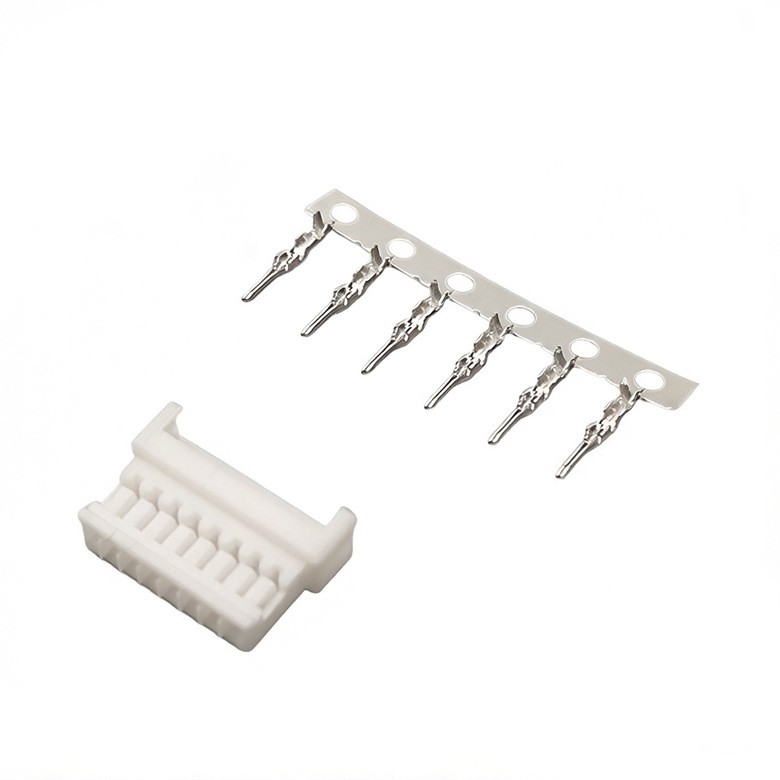
In the dynamic world of electronics, where innovation and efficiency reign supreme, the question of whether electronic connectors can be reused is a topic of great interest. As a supplier of electronic connectors, I’ve encountered this query from numerous customers. In this blog, I’ll delve into the factors that determine the reusability of electronic connectors, the benefits and challenges associated with reuse, and provide some practical insights to help you make informed decisions. Electronic Connector
Factors Affecting Reusability
Connector Type
Different types of electronic connectors have varying levels of reusability. For instance, board-to-board connectors, which are commonly used to connect printed circuit boards (PCBs), are often designed for multiple mating and unmating cycles. These connectors typically have a robust mechanical design and reliable contact mechanisms, allowing them to withstand repeated use without significant degradation in performance.
On the other hand, some specialized connectors, such as high-speed or high-power connectors, may have more stringent requirements. The contacts in these connectors are engineered to provide low resistance and high signal integrity. Frequent mating and unmating can cause wear and tear on the contacts, leading to increased resistance and potential signal loss. As a result, the reusability of these connectors may be limited.
Mating Cycles
The number of mating and unmating cycles is a crucial factor in determining the reusability of a connector. Most connector manufacturers specify a maximum number of mating cycles for their products. This specification is based on extensive testing to ensure that the connector maintains its performance within acceptable limits over the specified number of cycles.
For example, a standard USB connector may be rated for 1,500 to 5,000 mating cycles. If you exceed this limit, the connector’s performance may start to decline, resulting in intermittent connections or poor signal quality. It’s important to keep track of the number of mating cycles when considering reusing a connector, especially in applications where reliability is critical.
Environmental Conditions
The environment in which a connector operates can also impact its reusability. Harsh environmental conditions, such as high temperature, humidity, dust, and vibration, can accelerate the wear and corrosion of the connector’s contacts. For example, in industrial settings where connectors are exposed to high levels of dust and moisture, the contacts may become contaminated, leading to increased resistance and potential failures.
In addition, exposure to extreme temperatures can cause the materials in the connector to expand and contract, which can lead to mechanical stress and damage over time. Therefore, if a connector has been used in a harsh environment, it may not be suitable for reuse, even if it has not reached its maximum mating cycle limit.
Connector Condition
The physical condition of the connector is another important factor to consider. Inspect the connector for any signs of damage, such as bent pins, cracked housings, or loose contacts. Even minor damage can affect the performance of the connector and may lead to connectivity issues.
If a connector has been subjected to excessive force during mating or unmating, it may have internal damage that is not immediately visible. In such cases, it’s advisable to replace the connector rather than attempting to reuse it.
Benefits of Reusing Electronic Connectors
Cost Savings
One of the primary benefits of reusing electronic connectors is cost savings. Electronic connectors can be expensive, especially for high-quality or specialized connectors. By reusing connectors, you can reduce your procurement costs and stretch your budget further.
For example, in a large-scale electronic manufacturing operation, reusing connectors can result in significant cost savings over time. Instead of purchasing new connectors for every project, you can use the connectors that have been previously used but are still in good condition.
Environmental Sustainability
Reusing electronic connectors is also an environmentally friendly practice. The electronics industry generates a significant amount of waste, and reducing the consumption of new connectors can help to minimize the environmental impact. By extending the lifespan of connectors, you can contribute to the conservation of natural resources and reduce the amount of electronic waste that ends up in landfills.
Reduced Downtime
In some cases, reusing connectors can help to reduce downtime. If a connector fails in a critical system, replacing it with a new connector may require ordering the part and waiting for it to arrive. By having a supply of reusable connectors on hand, you can quickly replace the failed connector and get the system up and running again.
Challenges of Reusing Electronic Connectors
Performance Degradation
As mentioned earlier, repeated mating and unmating can cause wear and tear on the connector’s contacts, leading to performance degradation. Over time, the contacts may become oxidized or worn, resulting in increased resistance and potential signal loss. This can affect the reliability and performance of the electronic system.
To mitigate this risk, it’s important to regularly inspect and clean the connectors to ensure that they are in good condition. You can use a contact cleaner or a fine abrasive to remove any oxidation or debris from the contacts.
Compatibility Issues
When reusing connectors, there may be compatibility issues with the new components or systems. Connectors are designed to work with specific types of cables, devices, or PCBs. If you try to reuse a connector with a different component or system, it may not fit properly or may not provide the required electrical performance.
Before reusing a connector, it’s important to ensure that it is compatible with the new application. You can refer to the connector’s datasheet or consult with the manufacturer to determine its compatibility.
Safety Concerns
Reusing connectors may also pose safety concerns, especially in high-power or high-voltage applications. If a connector has been damaged or has degraded over time, it may not be able to handle the electrical load safely. This can lead to overheating, short circuits, or other safety hazards.
To ensure safety, it’s important to follow the manufacturer’s guidelines and recommendations when reusing connectors. You should also perform regular safety inspections to identify any potential issues.
Practical Tips for Reusing Electronic Connectors
Inspection and Testing
Before reusing a connector, it’s important to inspect it carefully for any signs of damage or wear. You can use a magnifying glass or a microscope to examine the contacts and the housing. Look for any bent pins, cracked housings, or signs of corrosion.
In addition to visual inspection, you can also perform electrical testing to ensure that the connector is functioning properly. You can use a multimeter or a continuity tester to check the resistance and continuity of the contacts.
Cleaning and Maintenance
Regular cleaning and maintenance can help to extend the lifespan of the connector and improve its performance. You can use a contact cleaner or a fine abrasive to remove any oxidation or debris from the contacts. Be careful not to damage the contacts during cleaning.
In addition to cleaning the contacts, you should also keep the connector dry and free from dust and moisture. You can use a protective cover or a storage container to prevent the connector from being exposed to the environment.
Documentation
It’s important to keep detailed documentation of the connectors that you reuse. This includes information such as the connector type, the number of mating cycles, the date of use, and any inspection or testing results. This documentation can help you to track the performance of the connectors and make informed decisions about their reuse.
Conclusion

In conclusion, the reusability of electronic connectors depends on several factors, including the connector type, the number of mating cycles, the environmental conditions, and the connector’s condition. While reusing connectors can offer significant benefits, such as cost savings and environmental sustainability, it also presents some challenges, such as performance degradation and compatibility issues.
Wire-to-Wire Connector As a supplier of electronic connectors, I recommend that you carefully evaluate the reusability of connectors based on the specific application and requirements. If you have any questions or need further assistance, please feel free to contact me for more information. I’m here to help you make the best decisions for your electronic projects.
References
- [Connector Handbook](Publisher: Connector Manufacturer, Year: 20XX)
- [Electronics Engineering Journal](Volume: XX, Issue: XX, Year: 20XX)
- [Industry Standards for Electronic Connectors](Organization: Industry Association, Year: 20XX)
Wenzhou JKUN Connector Co., Ltd.
As one of the most professional electronic connector manufacturers and suppliers in China, we’re featured by quality products and low price. Please rest assured to wholesale bulk customized electronic connector from our factory. For quotation and free sample, contact us now.
Address: No.2667, Ningkang East Road, Yueqing City, Zhejiang Province, China
E-mail: sales@cnjkun.com
WebSite: https://www.jkunjcj.com/
