Hey there! I’m in the overhead cable supply biz, and I often get asked about how we install those cables in forested areas. It’s a pretty interesting process, so I thought I’d share the ins and outs with you. Overhead Cable

First off, installing overhead cables in forests is no walk in the park. There are tons of challenges that come with working in these natural settings. Trees are the obvious biggie. They’re everywhere, and they can make it really tough to get the cables up. Not only do we have to deal with the branches and trunks getting in the way, but we also have to be super careful not to damage the trees. After all, we’re in a forest, and we want to do our part to protect the environment.
Before we even start thinking about installation, we do a whole bunch of planning. We send out a team to survey the area. They use all sorts of tools, like GPS and drones, to map out the forest. This helps us figure out the best route for the cables. We look for clearings, existing trails, and areas with fewer trees. We also check for any potential hazards, like steep slopes, rocky terrain, or areas prone to flooding.
Once we’ve got the route mapped out, we start preparing the site. This means clearing a path for the cables. But we don’t just go in and chop down a bunch of trees. We use a selective clearing method. We only remove the trees that are absolutely in the way of the cable route. And we try to minimize the impact on the surrounding forest as much as possible. Sometimes, we can even work around the trees by using techniques like guying and tensioning.
Next up, we start putting up the poles. These poles are the backbone of the overhead cable system. They hold the cables in place and keep them at the right height. In forested areas, we usually use wooden poles because they’re relatively easy to install and blend in with the environment. But we also have to make sure they’re strong enough to withstand the weight of the cables and any weather conditions.
Installing the poles is a bit of a process. We dig holes for them using specialized equipment. The holes have to be deep enough to provide a stable foundation. Then, we lower the poles into the holes and fill them with concrete to secure them in place. It’s important to make sure the poles are perfectly vertical so that the cables hang evenly.
After the poles are up, it’s time to string the cables. This is where things get really interesting. We use a technique called aerial stringing. We attach the cables to a pulley system and use a helicopter or a winch to pull them across the poles. This allows us to install the cables quickly and efficiently, even in areas with difficult terrain.
But stringing the cables in a forest isn’t as simple as it sounds. We have to be careful to avoid getting the cables caught on the trees. We also have to make sure they’re properly tensioned. If the cables are too loose, they can sag and touch the trees, which can cause damage. If they’re too tight, they can break under the stress.
Once the cables are strung, we do a final inspection. We check for any signs of damage or wear and make sure everything is working properly. We also test the electrical conductivity of the cables to ensure they’re safe and reliable.
One of the biggest challenges we face in forested areas is dealing with wildlife. Forests are home to all sorts of animals, and we have to make sure our installation doesn’t disrupt their habitats. We take a number of precautions to minimize the impact on wildlife. For example, we try to avoid installing cables during breeding seasons. We also use wildlife-friendly materials and designs to reduce the risk of entanglement.
Another challenge is dealing with the weather. Forests can be unpredictable, and we have to be prepared for anything. Rain, snow, wind, and extreme temperatures can all affect the installation process. We have to adjust our plans accordingly and make sure our equipment is up to the task.
Despite all these challenges, installing overhead cables in forested areas is definitely worth it. These cables are essential for providing power and communication to remote areas. They help connect people and communities, and they play a crucial role in economic development.
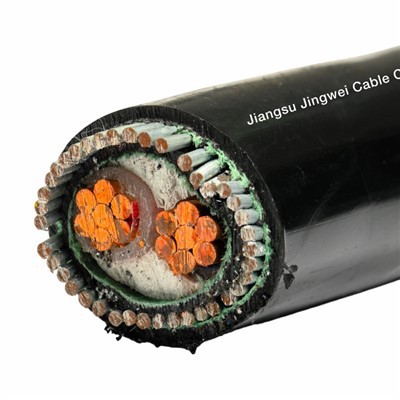
If you’re in the market for overhead cables, whether it’s for a project in a forested area or anywhere else, I’d love to talk to you. We’ve got a wide range of high-quality cables to suit your needs. And we have the expertise and experience to handle any installation challenge. So, don’t hesitate to reach out and let’s start a conversation about how we can work together.
Solar DC Cables References
- "Overhead Power Line Construction Handbook" by the Electric Power Research Institute
- "Forest Ecology and Management" journal articles on environmental impact of cable installation
Jiangsu Jingwei Cable Co., Ltd.
As one of the leading overhead cable manufacturers in China, we warmly welcome you to buy bulk durable overhead cable made in China here from our factory. All cables are with high quality and competitive price. For pricelist and free sample, contact us now.
Address: Industrial Concentration Zone C, Guanlin Town,Yixing City, Jiangsu Province
E-mail: marilyn.wang@jingwei-cable.com
WebSite: https://www.jwcable.com/
