Marbling is an ancient and captivating art form that has adorned various surfaces, from paper to fabric, with its unique and fluid patterns. As a supplier of carved and painted doors, I often get asked about innovative ways to enhance the aesthetic appeal of our products. One question that frequently arises is: Can I use a marbling technique to paint a carved door? In this blog post, I’ll delve into this intriguing idea, exploring the feasibility, process, and potential benefits of applying marbling to a carved door. Carved & Paint Door

Understanding the Marbling Technique
Marbling involves floating pigments on a viscous liquid, typically a size or a special marbling solution, and then transferring the resulting pattern onto a surface. The process creates a one-of-a-kind, organic design that resembles the veins in marble, hence the name. Historically, marbling has been used for book covers, stationery, and even clothing. The technique allows for a high degree of creativity, as the patterns can be manipulated using various tools and techniques to achieve different effects.
Feasibility of Marbling on a Carved Door
The first consideration when thinking about marbling a carved door is the nature of the surface. Carved doors have intricate details and uneven surfaces, which can pose challenges compared to flat surfaces like paper or fabric. However, with the right approach, it is entirely possible to apply marbling to a carved door successfully.
One of the main challenges is ensuring that the marbling solution adheres evenly to the carved surface. The crevices and raised areas of the carving can cause the solution to pool or run unevenly, which may result in an inconsistent pattern. To overcome this, it’s essential to prepare the door surface properly. This may involve sanding the door to smooth out any rough edges and applying a primer to create a more uniform base for the marbling.
Another factor to consider is the durability of the marbling. Since doors are subject to regular use, including opening, closing, and potential contact with hands and other objects, the marbling needs to be able to withstand wear and tear. Using high-quality pigments and a protective topcoat can help ensure that the marbling remains vibrant and intact over time.
The Process of Marbling a Carved Door
If you’ve decided to give marbling a try on your carved door, here’s a general overview of the process:
- Prepare the Door: Start by cleaning the door thoroughly to remove any dirt, dust, or grease. Sand the surface lightly to create a smooth finish, paying special attention to the carved areas. Apply a primer suitable for the type of wood or material the door is made of. Let the primer dry completely.
- Set Up the Marbling Station: You’ll need a large container filled with a marbling solution. The solution should be thick enough to hold the pigments but not so thick that it’s difficult to manipulate. You can purchase pre-made marbling solutions or make your own using ingredients like carrageenan or guar gum.
- Create the Marbling Pattern: Using pipettes or droppers, add drops of pigment to the surface of the marbling solution. You can use a variety of colors to create a more complex and interesting pattern. Use tools like combs or toothpicks to manipulate the pigments and create the desired design.
- Transfer the Pattern to the Door: Carefully lower the door onto the surface of the marbling solution, making sure that the entire surface is in contact with the pattern. Hold the door in place for a few seconds to allow the pattern to transfer. Then, slowly lift the door out of the solution, being careful not to disturb the pattern.
- Let the Door Dry: Place the door in a well-ventilated area and allow it to dry completely. This may take several hours or even days, depending on the humidity and temperature.
- Apply a Protective Topcoat: Once the door is dry, apply a clear protective topcoat to seal the marbling and protect it from damage. You can choose a gloss, semi-gloss, or matte finish depending on your preference.
Benefits of Marbling a Carved Door
Marbling a carved door can offer several benefits, both aesthetically and functionally:
- Unique Aesthetic: Marbling creates a one-of-a-kind pattern that adds a touch of elegance and sophistication to any carved door. The organic, fluid design of marbling can enhance the natural beauty of the wood and the intricate details of the carving, making the door a focal point of any room.
- Customization: Since each marbling pattern is unique, you have the opportunity to create a truly customized door that reflects your personal style and taste. You can choose from a wide range of colors and patterns to create a door that complements the decor of your home or business.
- Durability: When properly applied and protected, marbling can be a durable and long-lasting finish. The protective topcoat helps to prevent the pigments from fading or chipping, ensuring that the door retains its beauty for years to come.
- Increased Value: A marbled carved door can add value to your property. The unique and high-quality finish can make your home or business stand out from the competition, making it more attractive to potential buyers or tenants.
Conclusion
In conclusion, using a marbling technique to paint a carved door is not only possible but can also be a rewarding and creative way to enhance the aesthetic appeal of your doors. While there are some challenges to overcome, such as preparing the surface and ensuring durability, the end result can be a stunning and unique piece of art.
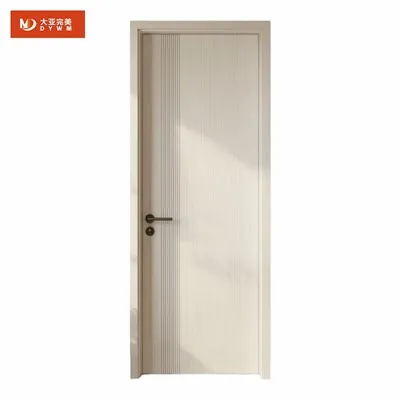
As a supplier of carved and painted doors, we are always looking for new and innovative ways to offer our customers high-quality products. If you’re interested in exploring the possibility of marbling a carved door for your home or business, we’d love to hear from you. Our team of experts can provide you with more information about the process, answer any questions you may have, and help you choose the right colors and patterns to create a door that meets your specific needs and preferences.
Invisible Door Contact us today to start a conversation about your custom carved and painted door project. We look forward to working with you to bring your vision to life.
References
- "The Art of Marbling" by Helen Hiebert
- "Marbling: Techniques and Patterns" by Kate Jenkins
- "Wood Finishing: A Complete Guide" by Bob Flexner
One May Dee Show Furniture Co., Ltd.
As one of the most professional carved & paint door manufacturers and suppliers in China, we’re featured by quality products and good price. Please rest assured to wholesale cheap carved & paint door made in China here and get quotation from our factory. Customized orders are welcome.
Address: Laomiao Village, Dacheng Town, Sanyuan County, Xianyang City, Shaanxi Province, China.
E-mail: trade@omdoor.com
WebSite: https://www.omdoor.com/
