Hey everyone, if you’ve ever stopped to think about what goes into making the ceramic parts that are in your phone’s charger, the toilet in your bathroom, or even the furnace components at a factory, you might not realize how much economics is baked into every step of that process. I’ve been a ceramic materials supplier for over a decade now, and let me tell you, it’s not just about mixing clay and firing it in a kiln—there’s a whole financial web that determines everything from how much I charge per kilogram of alumina powder to how I adjust my production runs when global shipping gets wonky. Today I wanna break down the real economic aspects of ceramic materials production, from the raw material mine to the warehouse I ship out of, like we’re grabbing coffee and chatting (no stuffy textbook talk here, I promise). Ceramic Materials
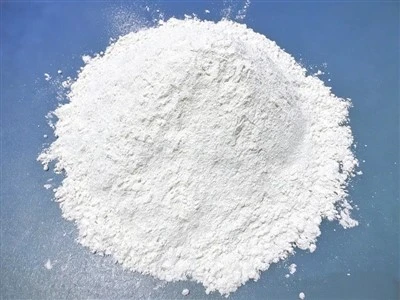
First off, let’s start with the biggest cost driver for any ceramic maker—raw materials. A lot of people assume ceramics are just clay, but that’s only true for basic terracotta planters. If you’re making high-performance ceramics, like the ones used in medical implants or semiconductor wafers, you’re dealing with super specific stuff: alumina (aluminum oxide), zirconia, silica, even rare earth oxides that you can’t just dig up in your backyard. For my business, about 40% of my monthly costs go straight to raw materials, and that number jumps if the price of key inputs spikes. Last year, for example, a mine in Brazil that supplies most of the high-purity silica I use had a maintenance shutdown that took 6 weeks. Suddenly, every supplier for that material was hiking prices by 25% because demand outstripped supply. I had to either pass that cost on to my clients (some of whom are small manufacturers who couldn’t absorb a price jump) or dip into my profit margins to keep their orders on track. That’s the kind of on-the-fly economic call you make every week in this game.
Raw material pricing isn’t just about mine shutdowns, either. Global commodity markets play a huge role. Zirconia, which is used in everything from dental crowns to industrial cutting tools, is tied directly to the price of zircon, a mineral mined mostly in Australia and South Africa. When the COVID pandemic hit back in 2020, shipping costs for bulk minerals skyrocketed—container rates went from like $2,000 to $20,000 in a matter of months. I couldn’t get shipments of zirconia powder for 3 months, and when they finally arrived, the per-kilogram cost was double what I’d budgeted for. That’s a direct hit to economic stability, and it’s why I keep close tabs on commodity prices and shipping lanes, not just production numbers.
Next up, labor and energy—two more non-negotiable costs that are make-or-break for ceramic production. Let’s talk energy first, because firing a kiln to make ceramic parts isn’t like baking a loaf of bread in your home oven. A single industrial kiln can use as much energy in one day as a whole neighborhood uses in a week. Most ceramic manufacturers use natural gas or electricity, and both prices fluctuate like crazy. Last winter, when a cold snap in the U.S. caused natural gas prices to triple, my energy costs went up by 30% in a single month. I had to adjust my production schedule: instead of running the kiln 24/7, I only fired it during off-peak energy hours, and I delayed some small, non-urgent orders to avoid burning through my monthly energy budget. For a lot of smaller ceramic producers, if energy costs get too high, they have to scale back or even pause production temporarily. That’s the reality of the economics here—energy isn’t a tiny line item, it’s a core part of your cost structure.
Labor is another big one. Ceramic production isn’t fully automated yet, especially when you’re making custom parts for specific clients. You need people who know how to mix the right recipe of materials, operate kilns safely, test parts for defects, and handle quality control. Skilled labor is hard to come by these days, too—fewer young people are going into trades that involve industrial manufacturing, so we’re constantly bidding for good workers. I’ve had to raise wages by 15% over the last 2 years just to keep my team from leaving for jobs with competitors. That’s great for my employees, but it eats into my margins, especially when clients don’t want to pay more for their ceramic parts. Balancing fair wages with competitive pricing is a constant economic tightrope.
Then there’s the cost of technology and quality control, which is huge for high-performance ceramics. If you’re making a ceramic part for a semiconductor, even a tiny impurity in the material can ruin a whole batch. So you need specialized testing equipment—X-ray machines to check for defects, particle size analyzers to make sure the powder is the right consistency, and tools to test how the ceramic holds up under heat or pressure. That equipment isn’t cheap; a single particle size analyzer can cost $50,000 or more. I had to invest in a new one last year because my old machine couldn’t test the new zirconia blends I was launching for dental clients. That’s a capital expense that pays off long-term, but it’s a big hit to my cash flow in the short term. And if I skip that investment, I risk sending bad parts to clients, which would lead to returns, lost business, and even reputational damage—so it’s an economic call that can’t be ignored, even when times are tight.
Supply chain logistics is another economic angle that a lot of people don’t think about. I’m based in the U.S., but I source raw materials from all over the world, and I ship my finished ceramic parts to clients across North America and even Europe. When there are delays at ports, or trucking shortages, that adds time and money to every order. Last quarter, I had a big order for alumina crucibles for a lab in Germany that got held up at the Port of Los Angeles for 2 weeks. I had to pay for air freight to get the parts there on time, which ate up almost all the profit on that order. Now I build extra logistics buffer time into my quotes, but if those unexpected delays happen too often, it can throw my whole quarterly budget off. It’s not just about producing the ceramic materials—it’s about getting them to the client when they need them, without breaking the bank.
Now, let’s talk about how market demand shapes everything. Ceramic materials aren’t a one-size-fits-all product. The demand for different types of ceramics swings with different industries. For example, when the tech boom was ramping up a few years ago, demand for high-purity alumina for semiconductors went through the roof. I shifted 60% of my production capacity to alumina powder for chip manufacturers, because that’s where the margin was highest. Then, when the housing market picked up, demand for ceramic tiles and bathroom fixtures (basic ceramics) went up, so I adjusted runs to make more of those. That’s the whole economic side of being a supplier—you have to read the market and reallocate your production to what’s going to make you money. But it’s not always easy; if you shift too much capacity to one product and demand drops, you’re stuck with excess inventory that you have to sell at a discount, cutting into profits.
Also, sustainability is starting to play a bigger economic role here, believe it or not. More and more of my clients are asking for ceramic materials that are made with recycled content, because they need to hit their own ESG (environmental, social, governance) goals. So I’ve started investing in processes that use recycled ceramic waste from manufacturing to make new powder. That’s not cheap to set up, but it lets me charge a small premium for those products, and it helps me lock in long-term contracts with big companies that want sustainable materials. Plus, using recycled waste cuts down on the amount of raw material I need to buy, which reduces my input costs too. It’s a win economically and environmentally, which is something I never thought I’d be dealing with 10 years ago when sustainability wasn’t such a big priority in this industry.
Wait, let’s get real about the risks, too. Ceramic production has inherent risks that hit the bottom line. For one, batch failure. Every time you fire a kiln, there’s a chance that a batch of parts has defects—maybe a crack, or the wrong color, or it doesn’t meet the strength requirements. I’ve had entire batches of custom ceramic components for an aerospace client get rejected because of a tiny structural flaw. That’s thousands of dollars wasted on raw materials, labor, and energy, and I have to eat that cost unless I can explain it to the client and get them to cover a portion (which rarely happens). The only way to mitigate that is to invest more in quality control, which goes back to that earlier point about equipment costs. It’s a constant balancing act between spending now to avoid losses later.
Another risk is regulatory changes. Over the last few years, there have been new environmental regulations about emissions from industrial kilns and the disposal of manufacturing waste. Last year, the EPA introduced new rules that require ceramic manufacturers to install better air filters, which cost me $120,000 to install. That’s a huge capital expense that I didn’t budget for, so I had to raise my prices by 10% across the board to cover it. It’s not ideal, but it’s necessary to stay in business and comply with the law. Regulations like that can make or smaller ceramic suppliers, who might not have the cash to invest in new equipment to meet the rules.
Now, let’s circle back to why this matters for you, if you’re someone who needs ceramic materials for your business. All these economic factors I’m talking about—raw material costs, energy prices, labor, logistics—directly impact the prices I quote you, the lead times I can offer, and the quality of the products I send you. When I have to absorb unexpected costs, it might mean I can’t offer you the smallest discount, or I might have to push back a delivery date a little if there’s a raw material delay. But it also means that when you work with a local supplier who’s been around for a while, you’re not just getting a product—you’re getting someone who’s navigating all these economic hurdles to make sure you get the ceramic materials you need, when you need them.

If you’re in the market for ceramic materials, whether that’s high-purity powders, custom ceramic parts, or standard industrial components, I’m here to help. I’ve got years of experience working with labs, aerospace companies, manufacturers, and more, and I can tailor products to your specific needs without the hidden fees or long lead times that big corporate suppliers often have. Just reach out to my team and me to chat about your project, and we can put together a quote that works for both of us.
Zirconia References:
- Ceramic Industry Association. (2023). "Global Economic Trends in Advanced Ceramic Materials Production".
- US Energy Information Administration. (2024). "Industrial Energy Costs and Manufacturing Sector Performance".
- World Bank. (2023). "Commodity Price Volatility and Its Impact on Raw Material-Dependent Industries".
- International Organization for Standardization (ISO). (2022). "Quality Control Costs in High-Performance Ceramic Manufacturing".
- Sustainable Ceramic Materials Initiative. (2023). "Economic Benefits of Recycled Ceramic Feedstocks in Industrial Production".
Hebei Cihong Technology Co., Ltd.
We’re well-known as one of the leading ceramic materials manufacturers and suppliers in China, featured by quality products and good price. Please rest assured to buy customized ceramic materials made in China here from our factory. If you have any enquiry about pricelist, please feel free to email us.
Address: Commercial Building, North Side of Jingha Road, Xiliuhetun Village, Yanjiao Development Zone, Sanhe City, Langfang City, Hebei Province, China
E-mail: lihongqigood@163.com
WebSite: https://www.cihongzr.com/
