If you’ve ever spent 20 minutes troubleshooting a wonky Wi-Fi router that keeps dropping calls, or rewired a living room TV only to realize the HDMI cable isn’t sending picture, you’ve probably asked yourself this: Do I actually need a cable tester for home use? As someone who’s been in the cable tester game for years—fielding questions from casual tech folks, hobbyists, and even first-time DIYers building home networks—I can tell you the answer isn’t a straight yes or no. It depends on what you’re dealing with, how often you mess with cables, and how much you hate wasting time or money on a dud cable you can’t test without extra tools. Cable Tester
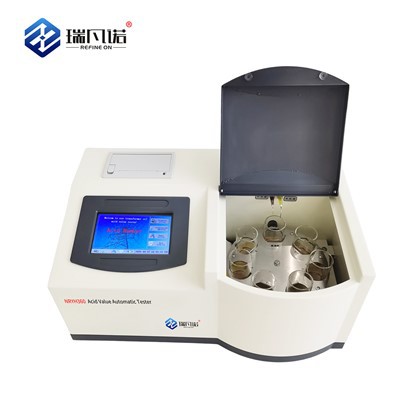
Let’s start with the basics. What even is a home cable tester? No, it’s not that clunky industrial thing you see at construction sites. For residential use, it’s a tiny, battery-powered device (most fit in your pocket) that checks if a cable is wired correctly, finds bad connections, shorts, splits, or even tells you how long a network cable is (handy for measuring runs in walls). We’re talking testers for Ethernet, HDMI, coaxial, even phone cables—all geared for people who don’t need to test 1,000 cables a day, just the ones in their own homes.
First, let’s bust a common myth: You can “test” a cable without a tester, right? Plug it in and see if it works. Sure, that works if you only have one cable and one device, but what if you’re running 5 Ethernet cables through your attic and half of them don’t connect to the room you need? Or you buy a random HDMI cable off Amazon that “supports 4K” but turns out the pin for HDMI Ethernet Channel (HEC) is bent, so your sound bar won’t connect? Or your internet suddenly cuts out and you check the coaxial cable from the wall to your modem, but it looks fine—turns out there’s a tiny split inside the jacket you can’t see? That’s where trial-and-error breaks down fast.
I’ve had a customer last month, a single dad, tell me he spent 3 hours chasing a dead Ethernet run from his office to his kid’s game room. He tried 3 new cables, each one half the price of a basic tester, before he finally grabbed a tester from our site. Turned out the problem was a bad wire in the wall’s run, not the cables he was buying. If he’d just spent $15 on a tester instead of $60 on 3 cables, he’d have been done in 10 minutes, not 3 hours. Time is money, even for home stuff.
Now, when is a tester totally unnecessary? If you’re the type who only plugs in a cable once a year when you move a TV, and it works on the first try. If you only use Wi-Fi 99% of the time, and when you do plug an Ethernet cable in, it’s just a short one from router to desktop that you can eyeball for frayed ends. If you’re fine with guessing and reordering cables every few months because you got a dud from a no-name brand, then yeah, a tester is overkill. But if you’re someone who’s in and out of cables regularly, or you have a home theater setup, a smart home system, or a kid who wants to run wired gaming to cut down lag, then a tester is worth it.
Let’s get into specific use cases where home testers shine, because not all cables are the same. First, Ethernet cables. Cat5e, Cat6, Cat6a—they’re everywhere now. If you’re setting up a wired network, not just Wi-Fi, every single pin matters. An Ethernet cable has 8 small wires, and if even one is cut, reversed, or not pressed all the way into the RJ45 connector, the whole thing dies or only works at slow speeds. I’ve seen people make their own Ethernet cables from bulk wire, and without a tester, they can’t tell if they did it right. A tester will flash lights for each pin, so you’ll know immediately if you messed up. Same goes for pre-made cables: I’ve tested 5 “premium” Cat6 cables that were dead on arrival because the manufacturer skipped pressing a pin. No way to tell that with a visual check.
Then there’s HDMI. Everyone complains about HDMI issues, right? No picture, or picture that cuts out when the room gets warm, or no audio even if the picture works. A lot of that is bad cables. Testers for HDMI check if all the 19 pins are seated correctly, if there’s a bad connection, or even if the cable is too long for your setup (HDMI has a max length before signal degrades—testers can measure that, too). Last year, a customer who builds custom gaming setups told me he used to return 2 out of every 10 HDMI cables he bought because they didn’t work with his monitor. After getting a HDMI tester, he now buys in bulk, tests each one, and only keeps the ones that pass. He saved over $200 in returns in 6 months. That’s a huge win for people who have multiple screens, gaming consoles, or AV receivers.
Coaxial cables are another big one for homes, especially if you have cable TV or internet. Coax cables have a center wire and a shield, and if the center is split or the shield is touching the center, you get signal loss or no service. A lot of DIYers will tighten a coax connection as hard as they can, but a bad crimp on the connector can cause hidden issues. A coax tester will tell you if the connection is good right at the wall, at your modem, or at your TV—no need to call the cable guy and pay $80 just to come look at a cable you could’ve tested in 10 seconds.
But wait, what about the “cheap vs. fancy” tester debate? I get it, you don’t want to drop $500 on a tester when you only use it once a year. For home use, you don’t need that. A basic 2-in-1 tester (one part plugs into one end of the cable, the other into the other end) costs between $10 and $30, depending on what it tests. That’s less than the cost of a few bad cables or a single service call. Even a mid-range tester that can measure cable length or test more types of cables is still way cheaper than the time you’ll waste troubleshooting.
I’ll be honest, I’ve seen some people say “just use your phone” to test cables, but that’s not accurate. Your phone can test an Ethernet cable if it has an RJ45 port, but most don’t. And it can’t test coax or HDMI. Plus, even if you have a port, testing a cable that runs through your whole house means you can’t plug both ends into your phone at the same time. Testers are small, portable, and made for this exact task.
Another angle: reselling or renting your home. If you ever decide to sell, a buyer might ask about your network setup, and having proof your Ethernet runs are good is a nice bonus. Or if you’re renting, a landlord might appreciate you fixing a coax issue without calling a technician. Testers make you look like you know what you’re doing, without having to hire someone every time something breaks.
Now, let’s talk about the times you absolutely don’t need a tester. If you’re a casual user who only plugs in cables occasionally, and they always work on the first try, that’s fine. If you’re using very short cables (like 1 foot from a laptop to a router) that you can inspect for frays, you don’t need a tester. If you’re just using Wi-Fi for everything, and you rarely plug in a cable, then a tester is probably not worth the investment. But most of the feedback I get from customers who bought a home tester is that they wish they’d gotten it sooner.
I remember one customer, a college student, who bought a tester to set up a wired network in his dorm. He said he spent $12 on a tester, and it saved him from buying 4 Ethernet cables that were broken. He even lent it to his roommates, and they all used it to test their own cables. That’s the thing about testers—they’re not just for you, they’re for anyone in your house who messes with cables.
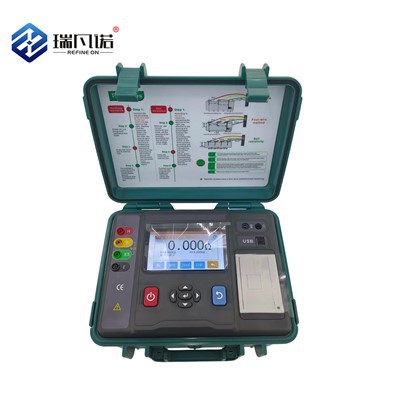
At the end of the day, the question isn’t “is a cable tester necessary for all homes?” It’s “is a cable tester necessary for your home?” If you’re someone who values time, hates wasting money on dud cables, or deals with home networks, AV setups, or smart home gear regularly, then yes, it’s necessary. It’s not a fancy tool only for electricians or tech nerds. It’s a simple, affordable way to cut down on frustration and get things working right the first time.
CT PT Analyzer As a cable tester supplier, I’ll be the first to say we don’t sell these to people who will only use them once every 5 years. But for the ones who are tired of guessing with cables, who’ve spent hours troubleshooting a simple connection issue, a home tester is one of those small tools that pays for itself in no time. If you’re ready to stop wasting time and money on bad cables, or just want to have a tool that makes home tech stuff easier, reach out to our team to chat about the right tester for your needs. We can help you pick the one that fits what you use, no fancy jargon, no overpriced models for home use.
References
- Federal Communications Commission. (2022). Home Network Troubleshooting Guide.
- Consumer Reports. (2023). Best Home Network Tools for DIYers.
- HDMI Licensing, LLC. (2022). HDMI Cable Performance Guidelines for Residential Use.
- International Society of Automation. (2021). Residential Low-Voltage Cable Testing Standards.
Refine On (Hebei) Electric Power Technology Co., Ltd.
Refine On (Hebei) Electric Power Technology Co., Ltd. is one of the most reliable cable tester manufacturers and suppliers in China, also supports customized service. Please feel free to wholesale advanced cable tester at competitive price from our factory. Contact us for quotation.
Address: Building 13, Liandong U Valley, No.64, Jing SAN South Street, Economic Development Zone, Mancheng District, Baoding City, China
E-mail: victor@transformer-test.com
WebSite: https://www.transformer-test.com/
