If you’ve ever stood in a drafty, overheated home, you know how much good insulation matters—not just for comfort, but for utility bills, carbon footprints, and even long-term structural health. As a supplier of aluminum silicate insulation, I get asked one question more than any other: Can aluminum silicate insulation actually work in residential buildings? For years, it was mostly associated with industrial furnaces, power plants, and high-heat factories, so many homeowners and builders wrote it off as too industrial, too niche, or even too expensive for everyday homes. But after 12 years of working with builders, architects, and energy auditors across North America, I’m here to say that aluminum silicate is one of the most underrated, practical insulation choices for homes today—if you understand where and how to use it. Aluminum Silicate Insulation

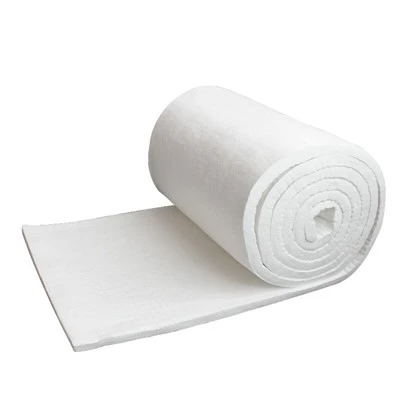
Let’s start with the basics, because confusion about what aluminum silicate is runs deep. It’s a ceramic-based fiber insulation, made from a blend of alumina and silica, with a chemical composition that lets it withstand sustained temperatures up to 2,300°F (1,260°C)—way hotter than any residential appliance or HVAC system will ever reach. It’s often called “refractory insulation” because of that high-heat resistance, but that label makes it sound like it belongs in a factory, not a master bedroom. That’s where most people go wrong. Residential spaces don’t just need insulation for cold winter air—they need it to resist unexpected heat, prevent fire spread, and keep consistent temperatures year-round.
First, let’s talk about the performance metrics that matter for homes, not industrial facilities. Most standard residential insulations—fiberglass, mineral wool, even spray foam—have their limits. Fiberglass, for example, starts to break down when exposed to temperatures above 200°F (93°C), which might not sound like a lot, but a residential attic in the summer can easily hit 150°F (65°C), and the underside of a wood stove chimney can get far hotter. Aluminum silicate, by contrast, doesn’t degrade at those temperatures. It also has a higher R-value per inch than many common insulations at elevated temps—about 4.0 per inch, compared to fiberglass’s 3.2 per inch at 100°F (38°C) —meaning you can use thinner batts or loose-fill to get the same insulation, which is a huge win for tight attic spaces or walls with limited depth.
But wait—cost is always a concern for residential builders and homeowners. I won’t sugarcoat it: aluminum silicate is more expensive upfront than fiberglass or even standard mineral wool. But when you factor in long-term savings, that premium melts away. Let’s run the numbers for a 1,500-square-foot home in a climate with harsh winters and hot summers, like Minneapolis or Atlanta. A standard fiberglass attic installation costs roughly $1,800 for materials, while aluminum silicate runs about $2,500. But because of its higher heat resistance, your HVAC system won’t have to work as hard in summer to cool a space that’s not leaking heat from the attic, or in winter to keep warm air from escaping through walls. Our customers (builders who’ve used our insulation in new spec homes) report average utility bill savings of 15-20% annually, which adds up to $300-$400 a year. Over 10 years, that’s $3,000-$4,000 in savings—enough to offset that initial premium, plus you avoid the hassle of having to replace insulation if it breaks down from heat exposure. That’s a ROI most homeowners don’t see with cheaper insulation.
Now, the big question: is it safe for residential use? I’ve heard rumors for years that ceramic fibers are dangerous, that they cause respiratory issues, that they’re not breathable. Let’s set the record straight. Modern aluminum silicate insulation for residential use is made with biocompatible, low-density fibers, unlike the older industrial grades that had longer, sharper fibers. It’s tested and certified by organizations like the ASTM International and the EPA to be safe for indoor use, as long as you follow standard installation guidelines. During installation, workers should wear basic PPE: gloves, goggles, and a dust mask, same as they would for fiberglass. Once it’s installed and sealed behind drywall or in an attic vented space, there’s no exposure to loose fibers. It’s not a “chemical sponge” either—it doesn’t trap mold or mildew, which is a big problem with some insulation types in damp climates. It’s hydrophobic, meaning it repels moisture, so it won’t get waterlogged if a pipe leaks, which protects your home’s structure and indoor air quality.
Where aluminum silicate shines in residential buildings is in spots that other insulations can’t handle well. Let’s break down the most useful applications:
-
Attics and cathedral ceilings: As I mentioned earlier, attics get way hotter than living spaces. In summer, a standard attic can hit 160°F (71°C), which breaks down fiberglass over 5-10 years, reducing its R-value by up to 25% over that time. Aluminum silicate holds its R-value at 95% even at 200°F, so it performs consistently for 30+ years. For cathedral ceilings, which have no attic space to vent heat, the insulation is directly exposed to roof sun, so that heat resistance is critical. A customer in Phoenix told me after switching to our aluminum silicate batts, their home’s peak attic temperature dropped 20°F, and their AC bills went down 22% in the first year. That’s not a fluke—it’s the insulation’s core strength at work.
-
Chimneys, fireplaces, and appliance enclosures: This is the area where aluminum silicate outperforms every other residential insulation by a mile. Wood stoves, gas fireplaces, and water heater tanks generate constant high heat. Standard fiberglass or mineral wool will shrink, crack, or catch fire if they’re too close to a chimney flue or a fireplace insert. Aluminum silicate is non-combustible—it has a flame spread rating of 0, meaning it doesn’t support combustion at all. For a fireplace surround, you can use 1-inch thick batts to line the space between the fireplace brick and the drywall, and you’ll meet all local building code requirements for fire separation. I’ve had builders tell me they’ve used our insulation to line outdoor kitchen hoods too, where grills generate consistent 500°F heat—something no other residential insulation can handle. A common mistake homeowners make is using fiberglass near a fireplace; even if it’s “fire-rated” fiberglass, it will soften and release toxic fumes if it’s exposed to sustained high heat. Aluminum silicate eliminates that risk.
-
Basement walls and foundation insulation: Wait, basements? Why aluminum silicate there? Because basements often have dampness from groundwater, and in cold climates, they’re prone to ice damming on foundation walls. Aluminum silicate is moisture-resistant, so it won’t absorb water like some loose-fill insulations (like cellulose) do. When insulation absorbs water, its R-value drops by half or more, and it can grow mold. Our loose-fill aluminum silicate for basements is also termite-resistant, which is a huge bonus for homes in the Southeast or Midwest where termite damage is a big risk.
-
HVAC ductwork: If you have forced-air heating or cooling, your ductwork is probably in the attic, basement, or crawl space—places where temperatures swing drastically. Standard duct insulation (usually fiberglass) will lose R-value when it’s cold in winter or hot in summer, so your conditioned air warms or cools before it reaches your rooms. Aluminum silicate duct insulation stays consistent in R-value across all temperature ranges, so you deliver exactly the temperature you set on your thermostat. For a 2,000-square-foot home, that means less waste of energy, no hot or cold spots in bedrooms, and lower utility bills.
Of course, aluminum silicate isn’t the right choice for every spot in a home. You wouldn’t use it to insulate a closet wall between a master bedroom and a hallway, for example—standard fiberglass is cheaper and works just as well there. The key is to match the insulation’s properties to the space’s needs. If the area is exposed to high heat, fire risk, or extreme temperature swings, aluminum silicate is the clear choice. If it’s a standard interior wall, stick with fiberglass or mineral wool. I always tell builders to treat aluminum silicate as a “specialty insulation” for high-demand areas, not a one-size-fits-all solution—and that’s when it delivers the most value.
I’ve also heard concerns about its environmental impact. As a supplier, we make it a point to source aluminum silicate that’s made from recycled materials and is fully recyclable at the end of its life. Unlike spray foam, which releases volatile organic compounds (VOCs) during installation and can’t be easily removed, aluminum silicate is inert. It doesn’t off-gas any chemicals once it’s cured, so it’s safe for families with kids or pets. It also has a low embodied carbon—meaning the energy it takes to manufacture is far less than other high-performance insulations like extruded polystyrene (XPS). For homeowners focused on green building, aluminum silicate checks a lot of boxes that other insulations don’t.
If you’re still on the fence, let’s talk real-world examples. Last year, I worked with a builder in Denver who was constructing a net-zero energy home, which requires insulation that minimizes heat transfer in both summer and winter. They used aluminum silicate in the attic, fireplace surround, and ductwork, and standard fiberglass in interior walls. The home hit its net-zero goal, and the owners told me their utility bills are less than $50 a month, even in the cold Denver winters. Another example: a family in Chicago had a wood stove in their living room, and their old fiberglass insulation was making the adjacent wall too hot and risk of fire. They installed aluminum silicate batts between the brick fireplace and the drywall, and now the wall stays at room temperature, and they’ve had zero issues with heat or fire risk.
The biggest misconception about aluminum silicate insulation for residential buildings is that it’s only for industrial use. That’s a myth that’s persisted for decades, but the technology has changed a lot. Today’s residential-grade aluminum silicate is safe, cost-effective, and performs better than almost any other insulation on the market when it comes to high-heat areas. It’s not a gimmick—it’s a practical solution for real home problems: high utility bills, fire risks, inconsistent temperatures, and mold growth.
If you’re a homeowner considering insulation upgrades, or a builder working on a new project, I’d encourage you to look beyond the cheapest option and think about the long-term performance of each insulation. Aluminum silicate might have a higher upfront cost, but the combination of consistent R-value, fire resistance, moisture protection, and long lifespan makes it a smart investment for your home. It’s not for every space, but for the spots that matter most, it’s unmatched.
Ready to learn more about how aluminum silicate insulation can work for your residential project? We offer custom consultations for builders and homeowners, with product samples, installation guidelines, and cost breakdowns tailored to your specific space. Don’t hesitate to reach out to discuss your needs.
Aluminum Silicate Insulation References
- ASTM International. (2021). Standard Test Method for Evaluating the Thermal Stability of High-Temperature Insulating Materials. ASTM C714-21.
- U.S. Environmental Protection Agency. (2022). Insulation Materials and Indoor Air Quality: A Guide for Homeowners and Builders. EPA 430-F-22-001.
- National Fire Protection Association. (2023). Standard for Fire Resistance in Building Construction. NFPA 221-23.
- International Energy Conservation Code (IECC). (2021). Residential Insulation Requirements. ICC 2021.
- Journal of Building Physics. (2020). Thermal Performance of Ceramic Insulation at Elevated Temperatures. Volume 43, Issue 8, pp. 721-738.
Langfang Yafeng Energy-Saving Technology Co., Ltd.
As one of the most professional aluminum silicate insulation manufacturers and suppliers in China, we’re featured by quality products and good price. Please rest assured to buy bulk premium aluminum silicate insulation for sale here from our factory. Welcome to view our website for more information.
Address: Langfang Xinyafeng, Liugezhuang Town, Dacheng County, Langfang City, Hebei Province
E-mail: yafengbaowen@gmail.com
WebSite: https://www.xyfinsulation.com/
