As a supplier of mechanical locks, I’ve had the privilege of delving deep into the world of boat security. Boats, whether they’re small fishing vessels, luxury yachts, or commercial ships, are valuable assets that require robust protection. In this blog, I’ll explore the security aspects of mechanical locks in boats, discussing their importance, types, advantages, and limitations. Mechanical Lock
The Importance of Boat Security
Boats are not only significant investments but also a source of enjoyment and livelihood for many. Protecting them from theft, vandalism, and unauthorized access is crucial. Mechanical locks play a vital role in this security ecosystem. They act as the first line of defense, deterring potential thieves and providing boat owners with peace of mind.
In many cases, boats are left unattended for extended periods, whether they’re moored at a dock, stored in a marina, or on a trailer. During these times, they are vulnerable to various threats. A reliable mechanical lock can prevent unauthorized entry, safeguarding the boat’s contents, including valuable equipment, electronics, and personal belongings.
Types of Mechanical Locks for Boats
There are several types of mechanical locks available for boats, each with its own features and applications.
Padlocks
Padlocks are one of the most common types of mechanical locks used on boats. They are versatile and can be used to secure hatches, storage compartments, and even the boat itself to a dock or trailer. Padlocks come in various sizes, materials, and levels of security. High-quality padlocks are made of hardened steel and have strong shackles that are resistant to cutting and prying.
Deadbolts
Deadbolts are another popular choice for boat security. They are typically installed on doors and hatches, providing a high level of security. Deadbolts have a solid bolt that extends into the door frame, making it difficult to force open. They are often used in combination with other locks for added protection.
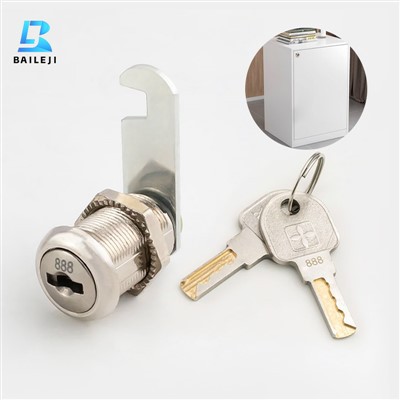
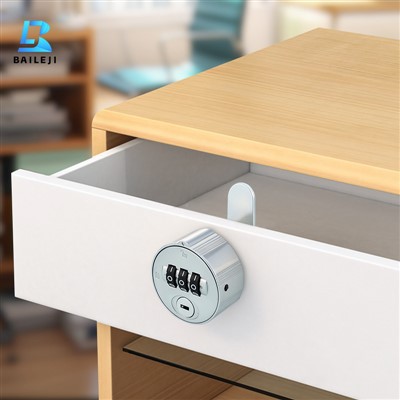
Cam Locks
Cam locks are commonly used to secure small compartments and cabinets on boats. They are easy to install and operate, and they provide a basic level of security. Cam locks work by using a cam mechanism to lock and unlock the door or compartment.
Barrel Locks
Barrel locks are similar to cam locks but are designed for more heavy-duty applications. They are often used to secure larger compartments and hatches on boats. Barrel locks have a cylindrical shape and are typically installed in a recessed area. They are more resistant to tampering and provide a higher level of security than cam locks.
Advantages of Mechanical Locks
Mechanical locks offer several advantages over other types of security systems, such as electronic locks.
Reliability
Mechanical locks are simple and reliable. They do not rely on electricity or batteries, which means they will continue to work even in the event of a power outage. This makes them a great choice for boats, which may be exposed to harsh environmental conditions.
Durability
Mechanical locks are built to last. They are made of high-quality materials, such as steel and brass, which are resistant to corrosion and wear. This makes them suitable for use in marine environments, where they may be exposed to saltwater, humidity, and other harsh conditions.
Cost-Effectiveness
Mechanical locks are generally more cost-effective than electronic locks. They are easier to install and maintain, and they do not require any additional equipment or software. This makes them a great choice for boat owners on a budget.
Ease of Use
Mechanical locks are easy to use. They do not require any special training or knowledge to operate, and they can be easily opened and closed with a key. This makes them a convenient choice for boat owners who need to access their boats quickly and easily.
Limitations of Mechanical Locks
While mechanical locks offer many advantages, they also have some limitations.
Vulnerability to Picking
Mechanical locks can be picked by skilled thieves using specialized tools. While high-quality locks are more resistant to picking, they are not completely immune. This means that boat owners should take additional precautions, such as using multiple locks and installing security cameras, to protect their boats.
Limited Security Features
Mechanical locks do not offer the same level of security features as electronic locks. For example, they do not have the ability to provide remote access or monitoring, and they do not have the ability to send alerts in the event of a break-in. This means that boat owners may need to rely on other security systems, such as alarms and surveillance cameras, to provide additional protection.
Key Management
Mechanical locks require the use of keys, which can be lost or stolen. This can be a problem for boat owners, especially if they have multiple locks on their boats. To address this issue, boat owners should keep spare keys in a safe place and consider using key management systems, such as key fobs or electronic key cards.
Choosing the Right Mechanical Lock for Your Boat
When choosing a mechanical lock for your boat, there are several factors to consider.
Security Level
The security level of the lock is one of the most important factors to consider. You should choose a lock that is appropriate for the level of security you need. For example, if you have a small boat with minimal valuable equipment, a basic padlock may be sufficient. However, if you have a large boat with expensive electronics and equipment, you may need a more high-security lock, such as a deadbolt or a barrel lock.
Durability
The durability of the lock is also an important factor to consider. You should choose a lock that is made of high-quality materials and is designed to withstand the harsh marine environment. Look for locks that are made of stainless steel or brass, as these materials are resistant to corrosion and wear.
Ease of Use
The ease of use of the lock is another important factor to consider. You should choose a lock that is easy to install and operate. Look for locks that come with clear instructions and are compatible with your boat’s existing hardware.
Compatibility
The compatibility of the lock with your boat’s existing hardware is also an important factor to consider. You should choose a lock that is designed to fit your boat’s specific needs. Look for locks that are available in different sizes and configurations, and make sure they are compatible with your boat’s doors, hatches, and other hardware.
Conclusion
Mechanical locks are an essential part of boat security. They provide a reliable and cost-effective way to protect your boat from theft, vandalism, and unauthorized access. While they have some limitations, they offer many advantages over other types of security systems. When choosing a mechanical lock for your boat, it’s important to consider the security level, durability, ease of use, and compatibility.
Cam Lock If you’re in the market for high-quality mechanical locks for your boat, I encourage you to reach out to us. We offer a wide range of locks that are designed to meet the needs of boat owners of all types. Our locks are made of high-quality materials and are built to last. We also offer excellent customer service and support, so you can be confident that you’re making the right choice. Contact us today to learn more about our products and how we can help you protect your boat.
References
- "Boat Security: How to Protect Your Investment" by BoatUS
- "The Ultimate Guide to Boat Locks" by MarineMax
- "Mechanical Locks: A Comprehensive Guide" by Locksmith Ledger
Suzhou Baileji Intelligent Lock Industry Co., Ltd.
As one of the most professional mechanical lock enterprises in China, we’re featured by quality products and good price. Please rest assured to buy discount mechanical lock in stock here and get pricelist from our factory. Also, customized service is available.
Address: 3rd Floor, Building 9, Shengteng Industrial Park, No. 8 Ruyuan Road suzhou, jiangsu, China
E-mail: vip@bailejilocks.com
WebSite: https://www.bailejilock.com/
