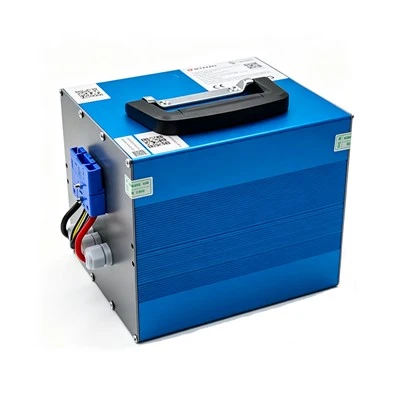
In the dynamic landscape of energy storage solutions, Lithium Manganese Oxide (LMO) lithium batteries have emerged as a significant player, prized for their high-power density, excellent thermal stability, and long cycle life. As a leading supplier of LMO lithium batteries, I understand the importance of addressing every aspect that impacts the performance of these batteries. One critical factor that often comes under the microscope is the self-discharge rate. In this blog post, I will delve into the various factors that affect the self-discharge rate of LMO lithium batteries, providing in-depth insights and practical knowledge for our customers and anyone interested in this technology. LMO Lithium Battery
1. Temperature
Temperature is one of the most influential factors affecting the self – discharge rate of LMO lithium batteries. As the temperature rises, the kinetic energy of the lithium ions in the battery increases, making them more mobile. This increased mobility leads to a higher probability of the lithium ions migrating across the electrolyte and reacting with other components within the battery, even when the battery is not in use.
According to numerous studies, the self – discharge rate of LMO lithium batteries approximately doubles for every 10°C increase in temperature. At high temperatures, the electrolyte also becomes more conductive, which can accelerate the internal electrochemical reactions and cause the battery to lose its charge more rapidly. This phenomenon is particularly concerning in applications where the battery is exposed to elevated temperatures for extended periods, such as in automotive environments or during hot summer days.
On the other hand, lower temperatures tend to slow down the self – discharge process. At extremely low temperatures, the lithium ions have less energy and are less likely to participate in unwanted electrochemical reactions. However, very low temperatures can also lead to other issues, such as reduced battery capacity and increased internal resistance, which can affect the overall performance of the battery.
2. State of Charge (SOC)
The state of charge of an LMO lithium battery also has a significant impact on its self – discharge rate. Batteries with a higher state of charge generally have a higher self – discharge rate. When the battery is fully charged, the concentration of lithium ions in the cathode is at its maximum. This high concentration gradient across the electrolyte encourages the lithium ions to move towards the anode, even in the absence of an external load.
Moreover, at high SOC levels, the battery’s electrodes are more reactive, and the electrolyte is more likely to decompose. This decomposition can lead to the formation of a solid electrolyte interphase (SEI) layer on the electrode surface, which can cause a small amount of charge loss over time. Conversely, when the battery is at a lower SOC, the concentration gradient is reduced, and the electrochemical reactions are less likely to occur, resulting in a lower self – discharge rate.
3. Battery Age and Cycle Life
As an LMO lithium battery ages and goes through multiple charge – discharge cycles, its self – discharge rate tends to increase. This is mainly due to the degradation of the battery’s internal components over time. The electrodes can undergo structural changes, such as the formation of cracks and the loss of active material, which can affect the movement of lithium ions and increase the internal resistance of the battery.
The electrolyte can also degrade, leading to a decrease in its conductivity and an increase in the likelihood of side reactions. These side reactions can consume the lithium ions and cause the battery to lose its charge. Additionally, the SEI layer on the electrode surface can thicken over time, which can further impede the movement of lithium ions and contribute to an increased self – discharge rate.
4. Electrolyte Composition
The composition of the electrolyte in an LMO lithium battery plays a crucial role in determining its self – discharge rate. The electrolyte is responsible for transporting lithium ions between the cathode and the anode during charge and discharge cycles. However, it can also participate in unwanted electrochemical reactions that lead to self – discharge.
Some electrolyte additives can be used to improve the stability of the battery and reduce the self – discharge rate. For example, additives can form a more stable SEI layer on the electrode surface, which can prevent the electrolyte from decomposing and reduce the number of side reactions. The choice of solvent in the electrolyte also matters. Different solvents have different dielectric constants and viscosities, which can affect the mobility of lithium ions and the overall performance of the battery.
5. Manufacturing Quality
The manufacturing process of LMO lithium batteries can have a significant impact on their self – discharge rate. Poor manufacturing quality can lead to various defects in the battery, such as uneven electrode coating, impurities in the electrolyte, and improper sealing. These defects can create pathways for unwanted electrochemical reactions, which can increase the self – discharge rate.
For example, if the electrode coating is not uniform, there may be areas with a higher concentration of active material, which can lead to a higher self – discharge rate in those areas. Impurities in the electrolyte can act as catalysts for side reactions, causing the battery to lose its charge more rapidly. Improper sealing can allow moisture and oxygen to enter the battery, which can react with the internal components and increase the self – discharge rate.
Implications for LMO Lithium Battery Applications
Understanding the factors that affect the self – discharge rate of LMO lithium batteries is crucial for various applications. In portable electronics, such as smartphones and laptops, a high self – discharge rate can lead to a shorter standby time, which can be frustrating for users. In electric vehicles, a high self – discharge rate can reduce the range of the vehicle and increase the frequency of charging.
In energy storage systems, such as those used in renewable energy applications, a high self – discharge rate can result in energy losses over time, reducing the overall efficiency of the system. By controlling the factors that affect the self – discharge rate, we can improve the performance and reliability of LMO lithium batteries in these applications.
How Our Company Addresses Self – Discharge Rate Issues
As a supplier of LMO lithium batteries, we take several measures to minimize the self – discharge rate of our products. We use advanced manufacturing techniques to ensure high – quality battery production. This includes precise electrode coating, strict quality control of the electrolyte, and proper sealing to prevent the entry of moisture and oxygen.
We also carefully select the electrolyte composition, using additives that can improve the stability of the battery and reduce the self – discharge rate. Additionally, we provide detailed usage instructions to our customers, including recommendations on temperature management and state of charge maintenance, to help them minimize the self – discharge of the batteries.
Conclusion
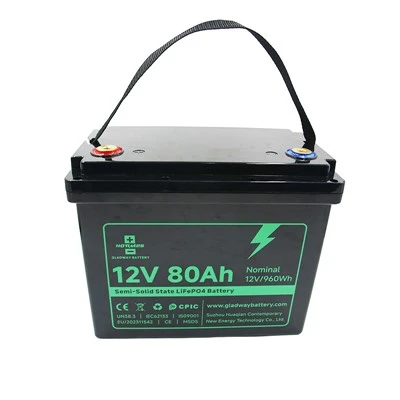
The self – discharge rate of LMO lithium batteries is influenced by multiple factors, including temperature, state of charge, battery age and cycle life, electrolyte composition, and manufacturing quality. By understanding these factors and taking appropriate measures to control them, we can improve the performance and reliability of LMO lithium batteries.
NCM Lithium Battery If you are in the market for high – quality LMO lithium batteries with a low self – discharge rate, we are here to help. Our team of experts is ready to provide you with the best solutions for your specific needs. Whether you are in the consumer electronics, automotive, or energy storage industry, we can offer you reliable and efficient LMO lithium batteries. Contact us today to start a discussion about your procurement requirements, and let’s work together to find the perfect battery solution for your application.
References
- Arora, P., Zhang, Z., & White, R. E. (1999). Correlation between the surface chemistry and performance of graphite electrodes in Li – ion batteries. Electrochimica Acta, 44(22), 3161 – 3169.
- Zhang, S. S. (2006). A review on electrolyte additives for lithium – ion batteries. Journal of Power Sources, 162(2), 1379 – 1394.
- Xu, K. (2004). Nonaqueous liquid electrolytes for lithium – based rechargeable batteries. Chemical Reviews, 104(10), 4303 – 4417.
Suzhou Huaqian Contemporary New Energy Technology Co., Ltd.
As one of the most professional lmo lithium battery manufacturers and suppliers in China, we warmly welcome you to wholesale bulk customized lmo lithium battery at competitive price from our factory. If you have any enquiry about cooperation, please feel free to email us.
Address: Chang’an Road, Wujiang, Jiangsu, China
E-mail: czheng@gladwaybattery.com
WebSite: https://www.gladwaybattery.com/
