As a seasoned wrapped wire supplier in the industry, one of the most common questions I encounter from clients is how to identify the quality of wrapped wire. This is a crucial concern as the quality of wrapped wire can significantly impact its performance in various applications, ranging from electrical systems to industrial machinery. In this blog post, I’ll share some key insights and practical tips based on my years of experience in the field. Wrapped Wire
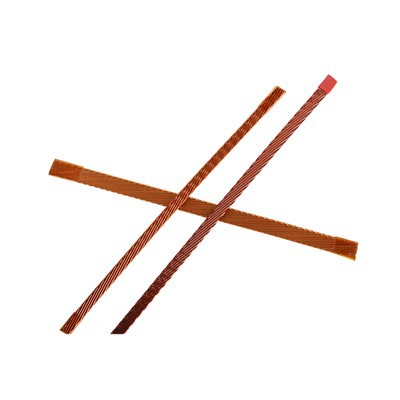
1. Understanding the Basics of Wrapped Wire
Before delving into how to assess quality, it’s important to understand what wrapped wire is. Wrapped wire typically consists of a core wire that is covered or "wrapped" with an outer layer. The core is often made of materials like copper or aluminum due to their excellent conductivity, while the wrapping material can vary widely depending on the intended use. Common wrapping materials include insulation polymers, metallic foils, or textile fibers.
2. Visual Inspection
The first step in evaluating the quality of wrapped wire is a thorough visual inspection. Here are some aspects to consider:
- Surface Finish: A high – quality wrapped wire should have a smooth and uniform surface. Any signs of roughness, bumps, or irregularities could indicate issues during the manufacturing process. For example, uneven wrapping may cause stress points in the wire, which can lead to premature failure.
- Color and Consistency: The color of the wrapping should be consistent throughout the length of the wire. Discoloration or fading may suggest exposure to harsh environmental conditions during storage or manufacturing defects. In the case of insulation materials, color can also indicate specific properties, such as temperature resistance or flame retardancy.
- Wrapping Integrity: Check the edges of the wrapping to ensure that it is tightly and evenly applied. Loose or frayed wrapping can expose the core wire, increasing the risk of electrical shorts or corrosion, especially in humid or corrosive environments.
3. Material Analysis
The quality of the materials used in wrapped wire is a fundamental factor. You can use the following methods to assess the core and wrapping materials:
- Core Material Testing: For copper – cored wires, the purity of the copper is crucial for good conductivity. One way to test for copper purity is by measuring the wire’s resistance. A lower resistance indicates higher purity and better electrical performance. Specialized equipment such as a multimeter can be used to measure resistance accurately. For aluminum – cored wires, look for signs of oxidation. Aluminum is prone to oxidation, which can increase resistance over time. A clean, shiny surface is a good indicator of high – quality aluminum.
- Wrapping Material Properties: The wrapping material should be appropriate for the intended application. For example, if the wire is to be used in a high – temperature environment, the wrapping should be heat – resistant. You can check the material’s specifications provided by the manufacturer, such as its melting point, dielectric strength (for insulation materials), and chemical resistance. In some cases, simple chemical spot tests can be performed to verify the composition of the wrapping material.
4. Mechanical and Physical Testing
Mechanical and physical properties play a vital role in determining the quality of wrapped wire. Here are some key tests:
- Tensile Strength: Tensile strength measures the wire’s ability to withstand stretching without breaking. A high – quality wrapped wire should have a sufficient tensile strength to endure the mechanical stresses it may encounter during installation and use. You can perform a simple tensile test using a vise and a spring scale. Slowly pull the wire until it breaks and record the maximum force applied. Compare this value with the manufacturer’s specifications.
- Flexibility: Flexibility is important, especially for wires that need to be bent or routed in tight spaces. A flexible wire is less likely to break or develop cracks during installation. To test flexibility, bend the wire back and forth several times. If it cracks or shows signs of damage easily, it may not be of good quality.
- Abrasion Resistance: Wires often come into contact with other objects during use, so good abrasion resistance is essential. You can simulate abrasion by rubbing the wire against a rough surface. A high – quality wire should show minimal damage after a reasonable amount of abrasion.
5. Electrical Performance Testing
Since wrapped wires are commonly used for electrical applications, evaluating their electrical performance is crucial:
- Conductivity: As mentioned earlier, the conductivity of the core wire is a key factor. In addition to measuring resistance, you can also test for continuity. Use a continuity tester to ensure that there are no breaks in the wire. A wire with poor conductivity can lead to power losses and overheating, which can be a safety hazard.
- Insulation Resistance: For insulated wrapped wires, insulation resistance is an important parameter. A Megger or insulation resistance tester can be used to measure the resistance between the core wire and the outer wrapping. High insulation resistance indicates that the insulation is effective in preventing electrical leakage.
6. Environmental Resistance
Wires are often exposed to various environmental conditions, so their ability to withstand these conditions is a sign of quality:
- Moisture Resistance: In humid environments, moisture can penetrate the wrapping and cause corrosion of the core wire. You can test moisture resistance by exposing a sample of the wire to a high – humidity environment for a period of time and then checking for signs of corrosion or changes in electrical properties.
- Chemical Resistance: If the wire is likely to come into contact with chemicals, it should have good chemical resistance. Immerse a wire sample in the relevant chemical for a specified time and observe any changes in the wrapping material, such as swelling, discoloration, or degradation.
7. Manufacturer Reputation and Certification
When assessing the quality of wrapped wire, the reputation of the manufacturer is also an important factor. A well – established manufacturer with a history of producing high – quality products is more likely to provide reliable wrapped wire. Look for manufacturers that have obtained relevant certifications, such as ISO 9001 for quality management systems or UL (Underwriters Laboratories) certification for electrical safety.
Conclusion
Identifying the quality of wrapped wire requires a comprehensive approach that includes visual inspection, material analysis, mechanical and physical testing, electrical performance testing, and consideration of environmental resistance. By following these guidelines, you can make more informed decisions when selecting wrapped wire for your specific applications.
As a trusted supplier of wrapped wire, I am committed to providing high – quality products that meet the strictest industry standards. If you are in the market for wrapped wire and want to discuss your specific requirements, I invite you to contact me for a detailed consultation. We can work together to find the best wrapped wire solution for your needs, ensuring optimal performance and reliability in your projects.
Enameled Flat Wire References
- ASTM International Standards for Wire and Cable Testing
- National Electrical Code (NEC) for guidelines on electrical wire quality and safety
- Industry handbooks on electrical materials and manufacturing processes
Tianjin Jingwei Power Technology Co., Ltd.
As one of the most professional wrapped wire manufacturers and suppliers in China, we’re featured by quality products and good service. Please rest assured to buy durable wrapped wire made in China here from our factory. Contact us for more details.
Address: No.1 Chuangxin Rd. Xiaozhan Industrial Park, Jinnan District, Tianjin, China
E-mail: info@jwdc.cn
WebSite: https://www.jw-dcs.com/
