If you’ve ever walked through the roar of a steel workshop, watched red-hot ingots roll through mills, or seen finished structural beams stacked for shipment, you might think it’s just a space where metal is shaped and sold. But I’ve spent 12 years as a steel workshop supplier, and I can tell you the magic happens behind the scenes—all the small, precise roles of different departments that turn raw iron ore into the steel products builders and manufacturers depend on. Every department has a non-negotiable job, and when they work in sync, a steel workshop doesn’t just meet production quotas—it delivers parts that are strong, safe, and on time. Let’s break down each team, what they do, and how their work ties to the steel workshop suppliers I partner with every day. Steel Workshop
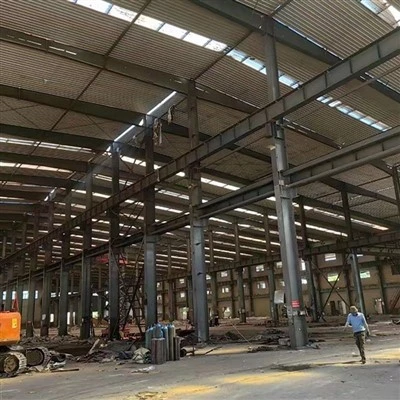
First, let’s start with the department that’s the backbone of any steel workshop: the Production Floor Operations team. This is the group on the factory floor, running the heavy machinery that turns molten steel into usable products. When iron ore and scrap metal arrive, they’re melted in electric arc furnaces (EAFs)—these days, most steel workshops use EAFs because they’re more energy-efficient than traditional blast furnaces, which matters a lot for sustainability. The production supervisors here aren’t just pressing buttons; they’re monitoring furnace temperature (it can reach 3,000 degrees Fahrenheit), adjusting the mix of scrap and additives to get the exact steel grade a client ordered, and keeping mills running without costly breakdowns. For steel workshop suppliers, this team’s work is critical: if they mess up the chemical composition of the steel, every beam, rebar, or sheet metal roll that comes after it is useless. I once had a client lose a $50,000 construction order because a production team skipped a mid-melt quality check—this team’s focus can make or break a supplier’s reputation.
Next up, Quality Control (QC) isn’t just a final check—it’s a step-by-step process that happens before, during, and after production, and it’s the reason steel products are safe for buildings, bridges, and machinery. The QC department is made up of trained metallurgists and lab technicians who test every batch of steel. Let’s walk through their day: when a batch of molten steel is poured, they take a small sample, grind it, and use a spectrometer to measure its carbon, manganese, and sulfur content—those elements determine how strong, flexible, and rust-resistant the steel will be. Later, they test finished products too: for structural beams, they use a tensile strength tester to pull the beam until it breaks, verifying it meets industry standards like ASTM A36, the most common structural steel grade. I’ve seen QC teams reject an entire batch of rebar because a single sample failed the bend test—even though that meant delaying a shipment, it saved my client from using weak steel that could have caused a construction failure. For steel workshop suppliers, the QC department isn’t a cost center; it’s the guarantee that our products are reliable.
Then there’s the Maintenance and Engineering Department, the unsung heroes of the steel workshop. All that heavy machinery—rolling mills, furnace casings, cranes—doesn’t run forever without care. This team handles two key tasks: preventive maintenance and emergency repairs. Preventive maintenance means scheduled check-ups: every month, they inspect roller bearings in the mill, tighten electrical connections, and replace worn parts before they cause a shutdown. Emergency repairs are for when something breaks—like when a furnace’s refractory lining cracks, which can stop production for days. What makes this team so important for steel workshop suppliers is that unplanned downtime doesn’t just delay shipments; it can lead to lost contracts. Last year, a supplier I work with almost missed a big order for bridge steel because their main crane motor failed— the maintenance team fixed it in 12 hours, keeping the production line on track. Without this team, even the best production and QC teams can’t deliver.
Now, let’s talk about the Material Handling and Logistics Department, the team that moves everything from raw materials to finished products. Steel workshops use tons of raw materials every day—scrap metal, coal, lime, alloying elements—and they need a way to move these without damaging them, and to get finished products to the right location. This team operates overhead cranes, forklifts, and conveyors to transport ingots to the mill, finished beams to the shipping yard, and waste scrap to recycling bins. For steel workshop suppliers, this department’s work is about efficiency: a crane operator who can move a 50,000-pound ingot 10 feet in 2 minutes adds up to more parts produced in a day, and less wait time for a supplier to load a truck. I’ve worked with workshops where a material handling team mislabeled a shipment of steel sheets, sending 10,000 pounds of galvanized steel to a client that needed plain carbon— that’s a mistake that costs both the workshop and the supplier time and money. This team’s attention to detail, and ability to coordinate with shipping carriers, ensures products get where they need to be, when they need to be there.
Then there’s the Planning and Scheduling Department, the ones who turn client orders into a production plan. This department works hand-in-hand with steel workshop suppliers (that’s me!) to make sure we can meet delivery timelines. When a client places an order for 200 tons of rebar, the planning team doesn’t just mark a date on the calendar—they break down what’s needed: how much raw material to order, how much furnace time is required, when to schedule QC tests, and how many workers are needed on the floor. They also account for variables like maintenance shutdowns or raw material delays, adjusting the schedule so we don’t miss a delivery date. I had a client once ask for a rush order of structural steel for a commercial building project; the planning team rearranged the production line, shifted a maintenance check to a later date, and got the order out two days early, which helped my client secure a bigger project with that builder. For steel workshop suppliers, this department is the bridge between client expectations and on-time delivery.
Human Resources (HR) might not seem like a core department, but in a steel workshop, a skilled, safe team is everything. HR here does more than hire workers—they train new hires on operating heavy machinery safely, run regular safety drills, and ensure the workshop complies with OSHA standards (which are non-negotiable in metal fabrication). Steel workshop work is high-risk: workers around furnaces, moving cranes, and hot metal need proper training to avoid injuries. Last year, a workshop I work with reduced its safety incidents by 30% after HR rolled out a new training program for crane operators and furnace workers. For steel workshop suppliers, a safe workshop means no unplanned absences or shutdowns due to accidents—so HR’s work directly impacts the quality and reliability of the products we can deliver.
And finally, the Sales and Customer Service Department, the frontline for steel workshop suppliers. This team is the first point of contact for clients, whether it’s a construction company ordering rebar, a manufacturer needing custom steel parts, or a distributor buying bulk steel sheets. They quote prices, answer questions about steel grades and delivery times, and resolve issues when something goes wrong. I’ve had a client call at 4 p.m. on a Friday, panicking because their steel shipment was delayed; the sales team at the workshop I work with got on the phone with their logistics team, tracked the truck, and arranged for a weekend delivery to keep my client’s project on track. For steel workshop suppliers, this department isn’t just selling—they’re building long-term relationships, making sure clients come back.
Now, here’s how all these departments tie together for a steel workshop supplier like me: when a client places an order, the sales team takes the request, passes it to planning to make a production schedule, who coordinates with material handling to get raw materials on time. Production runs the furnace, with QC testing every step, maintenance making sure the equipment doesn’t break, and HR ensuring everyone stays safe. When the steel is done, material handling loads it, and sales follows up to make sure the client is happy. It’s a chain where every link depends on the others—one department slacking, and the whole process falls apart.
Over the years, I’ve worked with workshops where departments fought with each other, or where one team saw their job as separate from the others. Those workshops struggled with delays, quality issues, and lost clients. The best ones? The ones where the production team shares feedback with QC, where maintenance works with planning to schedule downtime during slow periods, where sales passes client needs to planning so they can adjust orders. That’s the kind of workshop I partner with—because it means I can deliver on my promises to my own clients, knowing the steel I supply is strong, on time, and reliable.
If you’re in need of high-quality steel products for your next construction project, manufacturing line, or infrastructure build, connect with our team today to discuss your requirements. We work closely with steel workshops that prioritize safety, quality, and on-time delivery, ensuring every steel part we provide meets your exact specifications and industry standards.
Steel Structure Warehouse References:
- American Iron and Steel Institute. “Steel Manufacturing Basics.” 2023.
- Occupational Safety and Health Administration. “Safety Standards for Steel Workshops.” 2022.
- ASTM International. “Standard Specification for Carbon Structural Steel.” A36/A36M-21, 2021.
- World Steel Association. “Energy Efficiency in Electric Arc Furnace Steel Production.” 2022.
Suzhou Wanyu Steel Structure Construction and Installation Engineering Co., Ltd.
With abundant experience, we are one of the most professional steel workshop manufacturers and suppliers in China. We warmly welcome you to buy customized steel workshop at competitive price from our factory. If you have any enquiry about pricelist, please feel free to email us.
Address: No. 78, Putian Road, Suzhou Industrial Park, Suzhou, Jiangsu Province
E-mail: Zhu@szwanyu.com
WebSite: https://www.wy-metalstructure.com/
