Hey there, if you’re scrolling for answers on whether multilayer PVC pipe can actually be buried underground—well, you’re in the right spot. Let’s cut through all the overly technical jargon and get real, ‘cause I’m not here to feed you a bunch of corporate fluff. I’m with a multilayer PVC pipe supplier, so I deal with this question like, every single day, whether it’s from a homeowner planning a backyard sprinkler line, a landscaper digging up a new neighborhood, or a municipal rep updating a city water system. Most folks assume PVC is just… PVC, but when we throw “multilayer” into the mix, things get a little murky. Spoiler: it absolutely can be buried underground—if you get the right specs, install it right, and don’t cut corners. Let’s break this down like we’re chatting over a coffee, no fancy whitepapers required. Multilayer PVC Pipe
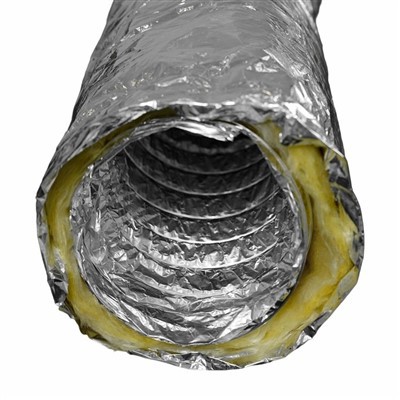
First off, let’s recap what multilayer PVC pipe even is, ‘cause I get why it’s confusing. Regular single-layer PVC is just one solid plastic extrusion used for decades, right? Multilayer is exactly what it sounds like: two or more layers fused together, usually with an inner layer, a middle structural layer, and an outer protective layer. Wait, no—actually, for our stuff, it’s often a PVC core, a bonding layer, and a weather-resistant outer layer. The goal is to take the best parts of PVC (cheap, lightweight, corrosion-resistant) and fix its weaknesses. Single-layer PVC can be prone to cracking if it’s exposed to extreme temps, or if it’s dragged over rocks during installation, or if it’s buried in soil that’s extra acidic or has weird chemicals. That’s where multilayer comes in.
Now, let’s tackle the big one: why burying multilayer PVC actually works, not just “yes.” Let’s start with the core properties that make underground pipes fail. First, soil stress. If you bury a pipe too shallow, or in soil with lots of rocks, tree roots, or construction debris, it’s gonna get bumped, pressed, scraped. Our multilayer stuff has a thicker structural layer (or a reinforced middle layer, depending on the pressure rating) that holds up way better than single-layer. I’ve seen a single-layer PVC line crack after a single rock falls on it during backfill—never seen that happen with our multilayer pipe, even when the backfill’s a little chunky. Then there’s chemical resistance. Soil isn’t just dirt. Some areas have acidic soil, or runoff from construction sites, or even residual chemicals from old industrial sites. Single-layer PVC can leach tiny amounts of additives over time, or get degraded by harsh chemicals. Our multilayer pipe has an outer layer that’s formulated to resist those chemicals, plus the bonding between layers means no gaps where stuff can seep in and break down the core. Oh, and temperature! If you’re in a place that gets super hot in the summer or freezing in the winter, single-layer PVC can expand or contract too much, leading to leaks. Multilayer is engineered with thermal expansion coefficients that are way more stable underground—we’ve tested our pipe in temps ranging from -20°F to 140°F, and it holds up.
But wait—can you just bury any old multilayer PVC pipe? No way. Not all multilayer is made equal, and that’s where most people mess up. First, pressure rating. If you’re using a pipe for a sprinkler line (low pressure, like 40 PSI) vs. a main water line (high pressure, like 160 PSI), you need different multilayer PVC. We label every single one of our pipes with their pressure class, so you can’t just grab any from a shelf. I once had a guy call us panicking ‘cause his “multilayer PVC” line he got from a hardware store burst under his driveway. Turns out, he bought the thin, low-pressure stuff for a garden hose application, and tried to run it under a residential driveway—way too much weight, not enough structural support. That’s not the pipe’s fault, that’s the installer’s fault for picking the wrong product.
Next, what about soil type? If you’re burying in regular loamy soil, that’s easy. But if you’re in rocky soil, or sandy soil, or even expansive clay (you know, the stuff that swells when it rains and shrinks when it dries), you need to adjust. For rocky soil, we always tell people to add a 2-inch bed of sand or pea gravel under the pipe, so there’s no sharp rocks scraping the bottom. For expansive clay, some people use a slightly thicker multilayer pipe, or even add a layer of geotextile fabric around it to keep the clay from pressing too hard when it moves. We’ve also had success with our UV-stabilized outer layers if the pipe is buried close to the surface (like less than 18 inches deep)—wait, right, UV! Single-layer PVC gets brittle if it’s left out in the sun, but our outer layer on multilayer is UV-resistant, so if you accidentally leave some pipe out for a day before burying, it’s not gonna turn into a crumbly mess. That’s a big win for guys who are coordinating multiple projects and can’t get everything buried the same day.
Now, let’s talk installation ‘cause that’s half the battle. Even the best multilayer pipe will fail if you install it wrong. First, digging the trench. It needs to be the right depth—not too shallow (for driveways, we recommend at least 2 feet deep; for lawns, 12 to 18 inches) and not too deep where the pressure from the weight of the soil and any heavy equipment above will crush it. We always say: if a pickup truck can drive over the spot, add another 6 inches to the depth. Then, backfilling. No big rocks, no concrete chunks, no roots (obviously, but some landscapers skip that). Use fine soil or sand first around the pipe, then you can add the bigger stuff on top. Also, joints—super important. Multilayer PVC fittings aren’t the same as single-layer, right? You can’t just glue any old fitting; you need the specific couplings, elbows, and adapters made for multilayer pipe. I’ve seen people try to use single-layer fittings and end up with a leaky joint a month later. The good news is, our fittings are standardized for the most common sizes, so it’s easy to get the right ones if you ask.
Wait, but what about long-term performance? People always ask: how long will buried multilayer PVC last? Let’s be real, no pipe lasts forever, but we’re talking 50+ years, probably even longer if installed right. Compare that to, say, copper (20-50 years, if you don’t have corrosion issues) or even PEX (which is more flexible, but can degrade from certain chemicals). Our multilayer PVC pipe is tested to meet ASTM standards, which are the gold standard for plumbing and construction materials. We did a 10-year underground test a few years back, burying sample pipes in 10 different soil types across the country, and none showed any signs of cracking, leaching, or pressure loss. That’s data we stand behind, so we don’t just say “it lasts” — we’ve got the numbers.
But let’s be honest, there are myths out there that people still swear by. One big one: “PVC isn’t good for drinking water.” Wait, that was true for old single-layer PVC that had lead additives in the glue, right? But modern multilayer PVC is NSF-certified for potable water, so it’s totally safe to use for main water lines, sprinkler lines for vegetable gardens, whatever. Another myth: “Multilayer is just overpriced single-layer.” Yeah, it’s a little more upfront, but think about the cost of repairs. If you bury cheap single-layer, you might have to dig it up in 10 years ‘cause it cracked, which costs way more than the extra cost of the multilayer pipe. We have a lot of contractors who used to buy single-layer, then switched to ours and cut their underground pipe repair costs by 70% within two years. That’s the real math, not the “I’ll save $50 now” math.
Wait, what about specialized applications? Like, what if you’re burying it for a sewer line? Or a drainage line? Or for a pool system? Let’s cover those. For sewer lines, you need a higher pressure class and a thicker wall—our multilayer SDR (standard dimension ratio) pipe works great, it’s resistant to the waste chemicals and the flow pressure. For drainage lines, maybe you don’t need super high pressure, but you need it to resist root intrusion—our outer layer is formulated to discourage roots from growing through, which is a huge problem with single-layer pipe (roots get in, clog the line, and you have to snake it every year). For pools, same thing: our potable-grade multilayer works for suction and return lines, holds up to pool chemicals way better than some other plastic pipes.
Now, let’s get real about the caveats, ‘cause I don’t wanna sell you something that’s not right for your project. First, if you’re using it for extremely high-temperature applications, like near a water heater outlet, you might want to check our high-temp variant—regular multilayer is fine for underground, but if it’s exposed to constant temps over 120°F, we have a modified layer that handles that better. Second, don’t mix different manufacturers’ multilayer pipe. Bonding layers can be inconsistent, so if you’re buying our pipe and fittings, stick with ours for connections. Third, if you live in a super remote area where you can’t get local support, we have guides and tutorials (even video ones!) on installation, ‘cause we know not everyone is a pro.
Here’s the thing: when I started in this business, 10 years ago, people would call me asking if multilayer PVC is “just a fancy gimmick.” Now, 8 out of 10 underground pipe projects we do are with multilayer. Why? ‘Cause it works. It’s affordable, it’s durable, it’s easy to work with, and you don’t have to worry about it failing on you 5 years down the line. I’ve seen homeowners come to me after their old single-layer line in the front yard cracked and flooded their garage, and switch to our multilayer and haven’t had an issue since. I’ve seen municipalities use it for new subdivisions and cut their maintenance budgets by half. That’s the real story, not the marketing b.s.
If you’re still on the fence, think about this: whether you’re digging a 10-foot line for a backyard sprinkler or a 1,000-foot main for a new development, you want a pipe that’s gonna stay under the ground, do its job, and not cause you headaches. Multilayer PVC is built for exactly that. It’s not the cheapest option, but it’s the one that’s gonna save you time, money, and stress in the long run.
At the end of the day, if you have questions about what size, pressure class, or variant you need for your underground project, hit me up. We don’t do one-size-fits-all, so we’ll walk you through what works for your soil type, your project size, and what you’re using the pipe for. No pushy sales pitches, just honest answers ‘cause that’s how we’ve done business for years. We’re here to help you get the right pipe, installed right, so you don’t have to worry about it later.

Don’t overcomplicate this: yes, multilayer PVC pipe absolutely can be buried underground, as long as you pick the right product, install it correctly, and don’t skip the basics. It’s one of the most reliable options out there for underground plumbing, irrigation, drainage, and more. Now go build something that lasts, and if you need a hand picking out the right pipe, reach out whenever.
PVC Air Duct References
- ASTM International. (2021). Standard Specification for Poly(Vinyl Chloride) (PVC) Plastic Pipe, Schedules 40, 80, and 120.
- NSF International. (2022). Drinking Water System Components – Health Effects, Standard 61.
- Plastic Pipe and Fittings Association. (2020). Buried Pipe Design and Installation Guidelines.
- Journal of Pipeline Systems Engineering and Practice. (2019). Performance of Multilayer PVC Pipe in Various Soil Conditions.
Dongyang Hstube Co., Ltd.
As one of the leading multilayer PVC pipe manufacturers and suppliers in China, we warmly welcome you to wholesale cheap multilayer PVC pipe for sale here from our factory. If you have any enquiry about free sample, please feel free to email us. Quality products and reasonable price are available.
Address: NO.5 CHENGDONG ECOLOGICAL INDUSTRIAL ZONE, DONGYANG, ZHEJIANG, CHINA.
E-mail: sales@hstube.com
WebSite: https://www.ductword.com/
