If you’re an apartment dweller, property manager, or renovation specialist weighing the pros of upgrading your entry door, the question of what makes a steel smart door “the best” usually boils down to more than just pretty hardware. As someone who’s spent the last 12 years sourcing, testing, and installing steel smart doors exclusively for multi-unit and residential apartment spaces, I’ve seen firsthand how a one-size-fits-all approach falls flat. A door that works for a suburban single-family home might struggle with the tight foot traffic of a 20-unit building, or fail to align with the budget and security needs of urban renters who prioritize both convenience and safety. Steel Smart Doors
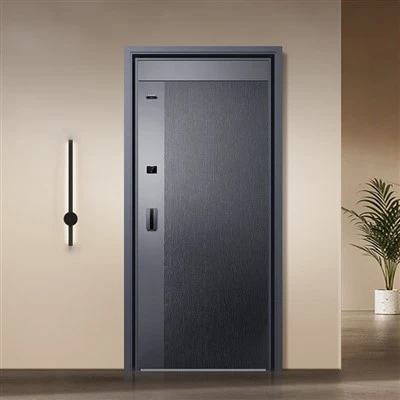
First, let’s cut through the noise: steel is non-negotiable for apartment entry doors, no matter how flashy the smart tech attached to it is. I’ve had too many property managers come to me after a break-in where a flimsy wooden door or aluminum frame was kicked in in seconds. Steel doors, when properly gauged, resist forced entry up to three times better than standard entry-level doors— a non-negotiable for spaces where dozens of people come and go, and where security is tied directly to liability for property owners. That said, not all steel is created equal. For apartments, you want a 16-gauge or thicker cold-rolled steel core; thinner gauges (18-gauge and above) work for interior walls but bend too easily under impact, and they don’t hold up to the daily slamming that comes with shared hallways. Add a 1-inch polyurethane or mineral-foam core inside the steel skin, and you get extra insulation— a huge perk for renters who complain about drafty hallways, and a nice selling point for property managers looking to boost energy efficiency and lower utility costs for both the building and individual units.
Now, the smart part: here’s where I’ve seen way too many brands drop the ball. A good smart door shouldn’t be a gimmick that breaks after six months, or that requires so many complicated codes that renters leave keys under the mat anyway. For apartments, the best smart tech is designed around two core needs: ease of use for residents, and ease of management for property teams. Let’s break that down.
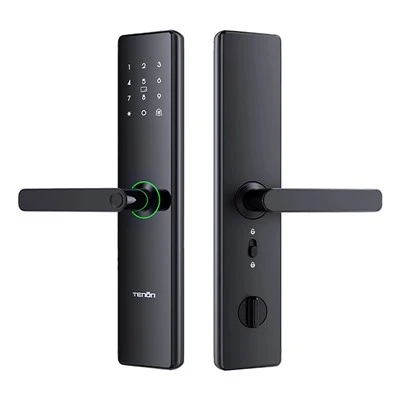
For residents, the ideal smart access doesn’t rely on a single tech that might die or get lost. We see too many doors that only work with an app— if a renter’s phone dies, they’re locked out, or if the building’s Wi-Fi cuts out, everyone is stuck. Instead, look for a door that combines multiple access methods: a secure keypad with unique, resettable codes (great for dog walkers, maintenance workers, or guests), a Bluetooth-enabled key fob that works even without a Wi-Fi signal, and compatibility with common smart home ecosystems like Apple HomeKit or Google Home. We recently added a fingerprint scanner to our line of smart steel doors for a downtown Austin apartment complex, and the feedback from residents has been night and day: no more fumbling for keys at 2 a.m., no more worrying about a lost fob. But here’s a tiny detail that makes all the difference: the fingerprint scanner has a 360-degree read, so even if you’re in a hurry and swipe your finger sideways, it works. Cheaper scanners only work with perfect swipes, and residents end up frustrated fast.
For property managers, the smart tech’s biggest win is not convenience—it’s control. Think about it: with a traditional lock, a property manager has to change every lock when a tenant moves out, which costs $50 to $100 per door, plus the time to schedule a locksmith. A good smart door lets managers remote-reset access codes the second a tenant gives notice, and even track who comes and goes with a basic activity log (no fancy 24/7 surveillance needed). That log should just show access events: time, date, and method (fob, code, fingerprint) — not a full camera feed, which brings up privacy issues for residents. We worked with a 40-unit building in Brooklyn last year that used to spend $1,800 a year on lock rekeying; switching to our smart steel doors cut that cost to less than $200 a year, and eliminated the hassle of coordinating locksmiths around work schedules. Another big plus for multi-unit spaces: look for a smart door that’s tested for fire resistance. Apartments have strict fire code rules, and a door that’s not UL-listed for fire resistance can lead to fines during inspections. All our steel smart doors meet 20-minute fire ratings, which is standard for interior apartment entry doors, but I’ve seen some competitors cut corners here, so always ask for proof of certification.
Another factor that’s specific to apartments: sound dampening. Shared walls mean that a door that slams too loud will get resident complaints fast. A quality steel smart door with a polyurethane core will cut exterior noise by about 35% compared to a standard hollow steel door. We’ve had residents comment that they can finally sleep past 7 a.m. on weekends without being woken by neighbors leaving for work. That small benefit translates to higher tenant retention, which is a huge win for property owners—turnover costs can be 2-3 times a unit’s monthly rent, so even a 5% lower turnover rate pays for a door upgrade.
Now, let’s address common misconceptions I hear from apartment owners: “Steel doors are heavy and hard to install.” It’s true that solid steel is heavier than wood, but most reputable smart door brands (including ours) make their apartment doors with pre-hung frames sized to fit standard 2×6 wall openings, so installation usually takes a few hours per door, same as a traditional door. We also offer installation guides for in-house property maintenance teams, which cuts down on labor costs even more. Another myth: “Smart doors are expensive.” While upfront costs are higher than a basic steel door, the long-term savings on rekeying, maintenance, and lower turnover make them worth it over 5-10 years. We’ve worked out bulk pricing for multi-unit properties that brings the per-door cost down to where it’s comparable to upgrading a traditional door with a basic smart lock, and you get a sturdier, longer-lasting product.
Wait, let’s talk about durability, too. Apartments see way more wear and tear than single-family homes: doors get slammed, scuffed by moving furniture, exposed to constant temperature changes in hallways. A good steel smart door has a powder-coated finish that resists scratches and chipping— not a cheap paint job that will fade after a year. We use a baked-on powder coat in 12 standard colors (from matte black to light gray) so property managers can match the door to their building’s exterior, and the finish is backed by a 5-year warranty against fading or chipping. The smart lock itself should also be weather-resistant— even if it’s installed inside the hallway (not exterior-facing), it should hold up to humidity, dust, and small impacts from backpacks or luggage. Cheaper locks rust or stop working after a couple years, so always look for a lock with a at least IP54 weather rating.
I also can’t stress enough how important it is to test the door’s locking mechanism. Too many smart doors have hidden weak points: the deadbolt is only connected with a thin plastic rod, not a metal shaft, so it can be easily tampered with. Our doors use a solid steel deadbolt with a 1-inch throw, which means it extends an inch into the frame— that’s far harder to jimmy than a standard ½-inch deadbolt. We test every door’s locking strength before installation, and we offer a 10-year warranty on all steel components, so property managers don’t have to worry about replacing doors every few years.
Now, what about pet owners? A lot of apartment residents have dogs, and I’ve had clients ask about doors that are pet-proof. The steel frame is great for that, but you also want a smart lock that’s high enough that a small dog can’t bump it open by accident. All our locks are mounted 36 inches above the floor, which is standard for residential doors, so even a large golden retriever can’t trigger the lock. That’s a small detail, but it’s one that renters notice and appreciate.
After years in this business, I’ve seen what works for apartments and what doesn’t. The best steel smart door isn’t the one with the fanciest camera or the most features—it’s the one that balances security, convenience, and practicality for both residents and property teams. It’s durable enough to handle daily use, easy to access without fumbling with apps, and manageable for building managers to maintain without extra hassle. If you’re a property owner looking to upgrade your building’s entry doors, or a renter looking to replace a worn-out door in your apartment, the key is to look for a door that’s UL-listed for fire resistance, uses 16-gauge or thicker cold-rolled steel, has multiple access methods, and comes with a solid warranty.
If you’re ready to learn more about which steel smart door is right for your apartment, or to discuss bulk pricing for multi-unit properties, reach out to our team to set up a consultation. We’ll walk you through options, share installation timelines, and help you find a solution that fits your needs and budget. No hard sells, no confusing jargon— just straight answers based on what’s worked for thousands of apartment units we’ve installed over the years.
Fingerprint Door Lock References
- National Fire Protection Association. (2021). NFPA 101: Life Safety Code. Quincy, MA: National Fire Protection Association.
- Door and Hardware Institute. (2022). Residential Entry Door Performance Standards. McLean, VA: Door and Hardware Institute.
- Smart Access Security Alliance. (2023). Multi-Unit Smart Locking Best Practices. Washington, DC: Smart Access Security Alliance.
- U.S. Department of Energy. (2022). Energy Efficiency Benefits of Insulated Entry Doors. Washington, DC: U.S. Department of Energy.
- Urban Land Institute. (2021). Multi-Unit Residential Property Maintenance and Cost Benchmarks. Washington, DC: Urban Land Institute.
Guangdong Ap Tenon Sci. & Tech Co., Ltd.
Guangdong Ap Tenon Sci. & Tech. Co., Ltd. is one of the most professional steel smart doors manufacturers and suppliers in China. With abundant experience, we warmly welcome you to wholesale advanced steel smart doors made in China here from our factory. Also, OEM service is available.
Address: No. 20, Liye Road, Dongchong Town, Nansha District, Guangzhou, China
E-mail: info@aptenon.com
WebSite: https://www.tenondoorlock.com/
