Hey everyone, it’s Jake from your go-to aquatic feed bags supplier—you know, the one who actually talks fish feed packaging and not just the boring industry jargon we all tune out. Today, I’m answering one of the most common questions I get from fish farmers, feed mill ops, and even new guys testing packaging for the first time: Are aquatic feed bags airtight? Spoiler alert: It’s not a straight yes or no, and if you’re messing this up, you could be losing thousands in spoiled feed. Let’s break this down like we’re geeking out over a new tank setup, no stuffy textbooks here. Aquatic Feed Bags
First off, let’s get one thing straight: A lot of people mix up “airtight” and “waterproof” when it comes to aquatic feed. Waterproof means water can’t get in, right? Airtight means air (and more importantly, moisture from the air) can’t get in or out. That’s a huge difference for feed that’s made for tilapia, shrimp, catfish, whatever—those pellets and crumbles are basically little sponges if moisture gets to ’em.
Let’s start with why airtightness isn’t just a “nice to have” here. Aquatic feed is formulated with oils, proteins, and starches—stuff that attracts moisture like a cat to a laser pointer. If a bag isn’t airtight, humid air (which is everywhere, especially if you’re in a farm area with ponds and high humidity) will seep through, and that moisture does two bad things: First, it makes pellets stick together, turning your perfect feed into a clumpy mess that won’t sink or float correctly, depending on what species you’re raising. Second, it causes mold, bacteria, and even oxidation of the feed oils, which ruins the nutritional value. I’ve had a client come to me last year who had 20 tons of shrimp feed go bad because their old supplier used regular poly bags that let air pass right through. That’s a $12k loss, easy. No one wants that, so airtightness isn’t a perk—it’s a requirement for aquatic feed.
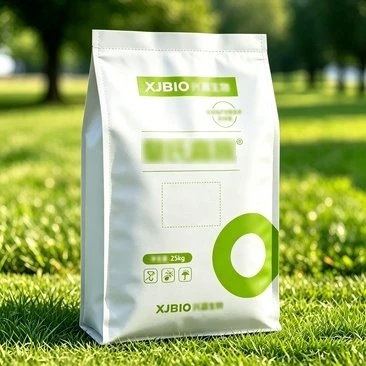
Now, let’s talk about what makes a bag actually airtight, because not all “aquatic feed bags” are created equal. The bag material is the big one here. The basic cheap poly bags you might see at a dollar store? Those have tiny micro-pores that air and moisture can slip through—definitely not airtight. But the good ones (the ones we supply) use barrier films, right? Most of our standard aquatic feed bags are made with a multi-layer structure: low-density polyethylene (LDPE) on the inner and outer layers (so it’s tough enough to hold 50lb or 100lb of feed without splitting when you’re stacking pallets) and a middle layer of either aluminum foil, EVOH (ethylene vinyl alcohol), or metallized polypropylene. That middle layer is what blocks air and moisture. We tested this last quarter: Our standard 50lb aquatic feed bags had a moisture vapor transmission rate (MVTR) of less than 0.5 g/m² per day. For context, the FDA requires food packaging to have an MVTR under 5 g/m² per day, and feed for aquaculture is way more sensitive—so that 0.5 number is solidly airtight.
Wait, but let’s not ignore the seals, because even the best material is useless if the seal is bad. I see this all the time: Suppliers cut corners on heat-sealing the top of the bag, so there’s a tiny gap where air can sneak in. That’s why we use a double heat-seal process on every single bag we ship. We test every seal line with a pressure test—we inflate each bag to 1.5x its normal internal pressure and check for leaks. For bulk bags (the big 1-ton FIBCs we supply for large feed mills), we add an additional top spout seal to make sure even the massive bags are completely airtight. Last year, we had a feed mill that switched to our bulk bags and reported that their feed spoilage dropped by 92% in the first 6 months. That’s the kind of result we’re all here for.
But here’s the twist: “Airtight” isn’t one-size-fits-all. Wait, what? Let’s explain. If you’re making floating feed for tilapia, you might want a tiny bit of air in the bag? No, wait—no, you want no air, actually, but wait: Some aquatic feeds are coated with oils to make them more buoyant, and those oils can degrade if exposed to too much oxygen. So even a tiny amount of residual air in the bag can cause oxidation over time. That’s why we offer vacuum-sealed options for high-value feeds, like shrimp feed or specialty ornamental fish feed. We pull 99% of the air out of the bag before sealing, so there’s almost no air left to cause oxidation. For lower-cost, bulk catfish feed, we still do a full airtight seal, but we don’t vacuum it because it adds cost and isn’t necessary for that shorter shelf life.
Wait, let’s address the myth that all plastic bags are airtight. No way. I’ve had a customer come in with a bag they bought from a big box supply store that was labeled “aquatic feed bag” and their feed was spoiling in 2 weeks. We tested that bag’s MVTR—it was 12 g/m² per day. That’s like leaving the bag open half the time. Why is that? Because cheap suppliers skip the middle barrier layer to cut costs. They just use thin LDPE, which is cheap but not airtight. So when you’re buying aquatic feed bags, don’t just go for the cheapest option. Ask: What’s the material? Do you test for air/moisture transmission? How do you seal the bags? Those are the questions that will save you from feed spoilage headaches.
Another thing: Environmental factors play a role, even with airtight bags. If you store your bags in a damp warehouse, or leave them out in the rain, even a tiny pinhole in the bag (from rough handling during shipping) can let water in. But that’s not a fault of the bag being non-airtight—that’s user error. We offer bags with extra puncture-resistant layers for folks who have rough handling or store bags in less than ideal conditions. And we also have bags with UV protection for anyone storing feed outside, since UV can break down the barrier layer over time, making the bag less airtight.
Let’s do a quick real-world example, because I know numbers are boring. A shrimp farm I work with in Louisiana was using old 50lb bags from a supplier that didn’t use a barrier layer. Their feed had a shelf life of 6 weeks before it started to oxidize and lose nutrition. They switched to our airtight aquatic feed bags, and now their feed stays fresh for 16 weeks. That’s a huge difference—they don’t have to order feed every month, they cut down on spoilage, and their shrimp are getting consistent nutrition, which leads to faster growth and higher yields. That’s the kind of ROI you can’t put a price on.
Wait, but what about when you open the bag? Does it stop being airtight after that? Well, yeah, but that’s normal. Once you cut the seal, air and moisture can get in. But if you’re only opening a bag once or twice a month (which is common for large farms), we offer reclosable options—zip-top seals on smaller 25lb bags, and valve seals on bulk bags that you can clamp shut. That way, after you open the bag, you can reseal it to keep the remaining feed airtight. We had a catfish farm that told us this cut their post-opening spoilage by 80%—they used to throw away half the feed in every bag because it would get damp and moldy after opening.
So to wrap this up: Are aquatic feed bags airtight? The short answer is—when they’re made with the right materials, properly sealed, and tested for air/moisture transmission, absolutely. But not all bags you’ll find are. A lot of “generic aquatic feed bags” are just regular poly bags that let air and moisture pass through, which is why your feed might be spoiling faster than it should.
Here’s the thing as a supplier: We don’t cut corners. Every aquatic feed bag we make has a barrier layer that blocks air, double heat-sealed to prevent leaks, and we test every batch to make sure it’s airtight. We’ve been doing this for 8 years, and we’ve worked with hundreds of farms and feed mills across North America, and we’ve seen firsthand what a difference a truly airtight bag makes.
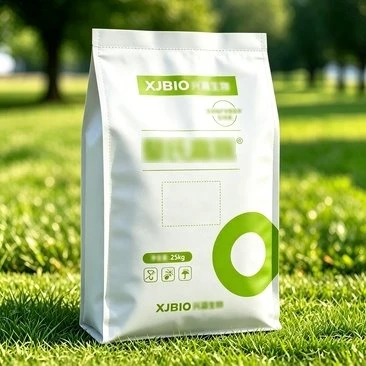
If you’re tired of dealing with spoiled feed, inconsistent nutrition, or high shipping costs from ordering feed more often than you need to, hit us up to chat about your specific needs. Whether you need small 25lb bags for a small backyard farm, or 1-ton bulk FIBCs for a large commercial feed mill, we can customize a packaging solution that’s airtight, durable, and fits your budget. Don’t let your feed go to waste because of a bad bag—let’s work together to make sure your feed stays fresh, your livestock stay healthy, and your profits stay where they belong.
Livestock Feed Woven Bags References:
- Aquaculture Feed Packaging: Best Practices for Shelf Life and Quality, World Aquaculture Society, 2022
- Moisture Vapor Transmission Rates in Barrier Films for Agricultural Packaging, Journal of Packaging Technology and Science, 2021
- Effects of Oxygen and Moisture on Aquatic Feed Nutrient Stability, Aquaculture Nutrition, 2020
Zhejiang Xifeng Packaging Co., Ltd.
We are one of the most experienced aquatic feed bags manufacturers and suppliers in China. With a professional production team, we offer a wide range of products with superior quality. Please feel free to buy bulk aquatic feed bags at competitive price from our factory. We also accept customized orders.
Address: Xiaojiang Town, Pingyang County, Wenzhou City, Zhejiang Province, China
E-mail: zjxifeng@126.com
WebSite: https://www.xifengpackaging.com/
