If you’re in the market for pyrite ore (we’re a supplier of this stuff, so trust I know what I’m talking about), you might’ve Googled “how to separate gold from pyrite ore” a time or two—especially if you’re looking to pull that tiny, valuable gold flecks out of the same rock that’s full of fool’s gold, AKA pyrite. I get it, because I’ve had buyers hit me up all the time asking if their pyrite has gold, and how on earth they get that gold out without messing up the ore or wasting money. Pyrite-types Of Ores
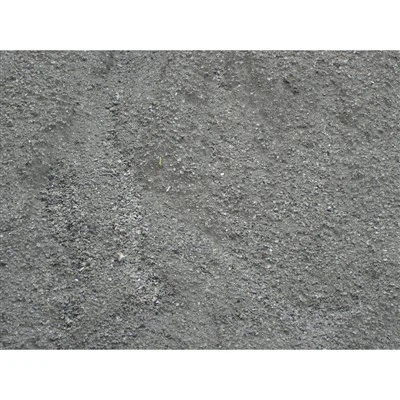
First off, let’s get one thing straight: not all pyrite has gold. Some pyrite is just plain iron sulfide, worth nothing for gold. But a lot of the pyrite we supply is “auriferous pyrite,” meaning it has tiny, almost invisible gold particles trapped inside the mineral. That’s the good stuff, and separating it isn’t as simple as panning old-school gold flakes out of sand. It takes actual, science-backed methods that don’t cost an arm and a leg, and you don’t have to be a mining engineer to pull it off if you follow the right steps.
Let’s start with the basics, because a lot of folks skip the prep work and mess up everything after. The first step is crushing and grinding the ore down. You can’t separate gold from pyrite if both are in big chunks the size of your thumb. Gold in auriferous pyrite is usually super fine—sometimes even microscopic, like, smaller than a grain of flour. So you need to crush the pyrite into small pieces first, then grind it into a slurry, which is basically water and fine ore powder. How fine? I usually tell buyers to aim for about 75 microns, which is like the size of a fine sugar crystal. Too coarse, and the gold won’t release; too fine, and you’ll end up wasting energy and making the next steps harder. I’ve seen a guy try to skip grinding and just pan raw ore, and he ended up with zero gold—all he got was fool’s gold for his trouble.
Next up: the most common method we see used for this, called froth flotation. This is the workhorse for separating gold from pyrite, and it’s not as complicated as it sounds. Here’s how it works: you take that slurry of ground pyrite ore and water, add a little chemical mix (no need to panic, it’s non-toxic if you get the right stuff), and then blast air through it. The chemicals make either the gold or the pyrite stick to air bubbles. Wait, wait—let me clarify: usually, you want the gold to stick, right? So the chemical (called a collector, like xanthate, if you’re asking) is tuned to bind to gold particles. Those bubbles with gold attached float to the top of the tank, forming a frothy layer, and that’s the stuff you collect. The leftover slurry, which has most of the pyrite and other waste minerals, sinks to the bottom and gets disposed of (or sometimes processed for other metals, but that’s a different blog).
But why does this work with pyrite specifically? Because pyrite has a sulfide surface, and the right collectors will bind to both gold and pyrite. Wait, but you don’t want the pyrite sticking to the bubbles, too—then you’d have a mix of gold and fool’s gold. Oh right, there’s a second chemical added here, called a depressant, that keeps the pyrite from sticking to the bubbles. So you have collector for gold, depressant for pyrite, air blowing, bubbles carry gold, separate the froth. That’s it. I’ve had a buyer test this with a sample of our auriferous pyrite, and he ended up with 92% pure gold from the froth—way better than pan and pick.
Now, if you’re working on a smaller scale, like a hobbyist or a small operation, froth flotation might be too much. You can’t just set up a flotation tank in your garage (trust me, I’ve tried). So what’s the alternative? Gravity separation. This is the old-school method, but it still works for fine gold trapped in pyrite. How? Gold is way denser than pyrite—gold is 19.3 times heavier than water, pyrite is only about 5 times heavier. So if you shake or agitate the ground ore slurry, the denser gold will sink faster than the lighter pyrite.
You use tools like a shaker table, which is a big, sloped table that vibrates as water runs over it. The gold sinks to the bottom grooves of the table, and the pyrite and other light stuff gets washed off the top. Another option is a centrifugal concentrator, which spins really fast, so the heavy gold gets pushed to the edge and collected, while the pyrite stays in the middle. I’ve sent a few small-batch suppliers a sample of auriferous pyrite, and they used a centrifugal concentrator and pulled out 85% of the gold in one pass. That’s pretty solid, and it’s way cheaper than setting up a flotation system for small-scale use.
But wait—there’s a catch. Some gold in pyrite is so fine, like, microscopic tiny, that gravity separation alone won’t catch it. That’s when you need something called leaching. Leaching uses chemicals to dissolve the gold out of the pyrite, then you pull it back out as pure metal. The most common leaching method is cyanide leaching, which has been around for over a century. You mix the ground ore with a dilute cyanide solution, and it reacts with the gold to form a soluble compound that you can separate from the leftover pyrite. Then you use zinc or carbon to pull the gold out of the solution and melt it into solid bars.
But hold on—cyanide is toxic, right? So it’s not for everyone. There’s a newer method called thiosulfate leaching, which is way less toxic, though it’s a bit less efficient for very fine gold. I usually warn buyers that if they’re doing this on a small scale, check local laws about chemical use, because a lot of places regulate cyanide pretty tight. Also, you have to make sure you don’t leave any leftover toxic solution lying around—you can’t just dump it. That’s a big no-no, and I’ve had a couple buyers get fined for skipping the proper disposal steps.
Now, let’s talk about a mistake I see all the time: people not testing their ore first. Not all pyrite has the same amount of gold. Some has 0.1 grams of gold per ton, some has 10 grams—huge difference. If you buy a bunch of pyrite ore without testing it, you might spend hundreds or thousands on separation equipment, only to end up with almost no gold to show for it. That’s why I always tell potential buyers: get a sample of our pyrite, send it to a lab to assay the gold content. It’s like $50 or so, and it saves you from wasting money. I’ve had a buyer who bought 10 tons of pyrite from another supplier, thought it had gold, tested it, and there was only 0.02 grams per ton—totally not worth processing. Don’t be that guy.
Another thing: when you separate gold from pyrite, you have to remember that pyrite itself is a byproduct sometimes. A lot of gold mines actually process pyrite as a secondary product, because the pyrite traps gold that would be too fine to get otherwise. So if you’re running a small mine, buying auriferous pyrite from us, you’re not just buying ore—you’re buying a feedstock that lets you pull out more gold than you would if you just processed regular ore. That’s why our customers keep coming back.
Wait, let’s address a question some of you might have: can you separate gold from pyrite without chemicals? For small batches, yes, gravity separation works, but like I said, it only catches bigger gold flecks. For microscopic gold, you need either flotation or leaching, both of which use minimal chemicals if you do it right. You can’t magic it out without chemicals, unfortunately. I’ve heard of people trying to use vinegar or something, but that’s a waste of time—doesn’t work.
Also, let’s clear up the “fool’s gold” confusion. Pyrite is called fool’s gold because it looks like gold, but it’s not. If you’re separating gold from pyrite, you want to make sure you’re not just ending up with more pyrite. That’s why the depressant step in flotation is so important, or the gravity separation’s density difference—gold is way heavier, so that’s your key to tell them apart. A lot of new guys mix up pyrite dust with gold dust, but if you weigh it, gold is noticeably denser.
Now, if you’re thinking about getting started with processing auriferous pyrite, here’s a quick step-by-step to keep it simple: 1) Test your ore’s gold content first. 2) Crush and grind the ore to 75 microns (or as fine as you can, if small scale). 3) Pick your method: small scale = gravity separation; medium/large scale = froth flotation; fine gold = leaching (with proper safety). 4) Process, and repeat the steps if you need to get more gold out.
I get that processing can feel overwhelming, especially if you’re new to this. That’s why a lot of my customers work with me first—we send test samples, walk through the best method for their scale, and make sure they don’t waste money on ore that won’t work. I’ve seen too many people jump into buying pyrite without doing their homework, and end up stuck with a pile of rock and no gold to show for it.
Wait, one more tip: if you’re using flotation, make sure you’re using the right collector for auriferous pyrite. Some collectors work better with sulfide ores like pyrite, so don’t just grab any random chemical. I can point you to a few reputable suppliers for those chemicals, too—no need for you to hunt them down. And for gravity separation, a shaker table can be rented if you don’t want to buy one outright, which is great for testing a small sample before investing in big equipment.
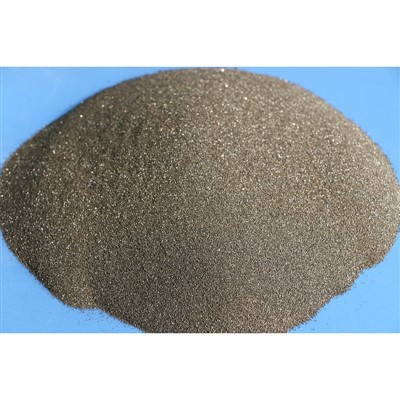
At the end of the day, separating gold from pyrite ore isn’t rocket science, but it does take the right prep, the right method, and a little bit of testing to make sure you’re not wasting time or money. If you’re in the market for auriferous pyrite, want to test if your current ore has gold, or just want to pick my brain about processing steps, reach out. We’ve been supplying pyrite ores for years, and we work with everyone from small hobbyists to medium mining operations, so we can hook you up with what you need. Don’t gamble on untested ore—let’s chat and make sure you get the right material and the right process for your goals.
Inorganic Chemicals- Pyrite-related Products References:
- Fuerstenau, D. W., & Hanson, J. S. (1969). Flotation of sulfide minerals. Society of Mining Engineers of AIME.
- Habashi, F. (1990). Principles of extractive metallurgy. Gordon and Breach Science Publishers.
- Cropp, R. A., & Lauder, D. W. (1969). Gravity concentration of fine gold ores. Canadian Mining and Metallurgical Bulletin.
- Amy, J. W. (2005). Cyanide and gold leaching: A review. Mining Engineering.
Yunfu Fuliu Mineral Materials Co., Ltd.
We are one of the most reliable pyrite-types of ores suppliers in China, specialized in providing high quality customized products. Welcome to wholesale bulk pyrite-types of ores in stock here from our factory. If you have any enquiry about free sample, please feel free to email us.
Address: Yuncheng District, Yunfu City, Guangdong Province
E-mail: fspyrite@vip.126.com
WebSite: https://www.fuliupyrite.com/
