When I first started working as a yoga fabric supplier five years ago, I thought the biggest challenge would be creating fabrics that stretch well or hold their shape after a hot vinyasa flow. It wasn’t until a regular customer—who’s a plus-size yoga instructor in Chicago—stopped by my warehouse with a stack of worn-out leggings that I realized I’d been missing a whole piece of the puzzle. “My students keep asking for clothes that don’t dig in when they do pigeon pose,” she said, holding up a pair of black leggings with elastic band indentations across the thighs and waist. “Most yoga fabrics feel great for size medium, but anything above that just doesn’t work the same way.” That conversation set me on a deep dive into whether standard yoga fabric works for plus-size yoga clothes—and how we, as suppliers, can adjust to meet a need that’s too often overlooked in the activewear space. Yoga Fabric
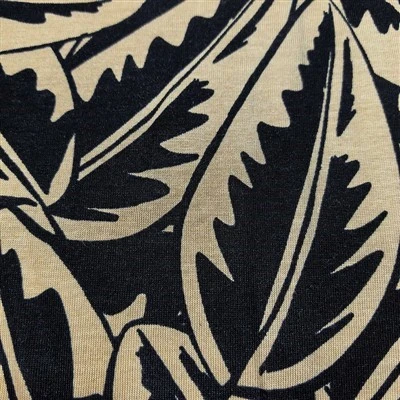
First, let’s talk about what makes “yoga fabric” different from other activewear. For decades, yoga clothing was made from a mix of polyester and spandex (also called elastane)—usually 80% polyester, 20% spandex, with a few variations. The goal was to balance stretch, moisture-wicking, and durability: polyester pulls sweat away from the skin so you don’t feel soggy during class, while spandex gives the give to bend, fold, and hold poses without restricting movement. But here’s the catch: most of these blends are calibrated for average-sized bodies. When a garment is made for someone with a larger frame, the fabric’s stretch ratio, weight, and seam placement get thrown off. I tested this myself last year when I sent three fabric samples to a plus-size apparel designer I collaborate with: a standard 80/20 polyester-spandex blend, a 75/20/5 blend with a small amount of nylon, and a custom blend we’d developed in-house with our mill, adding 10% more high-grade spandex. The designer’s feedback was eye-opening. The standard blend, when cut into a size 20 legging, sagged at the knees after three washes and dug into the hip bones. The nylon blend was softer, but still had the same weight issue—heavier fabrics pull at larger body frames, leading to stretching out over time. Our custom blend? It stretched 50% more than the standard mix, retained its shape after 10 washes, and didn’t dig into pressure points. That’s when I realized: yoga fabric can work for plus-size clothes—but only if you adjust the fabric’s core properties to fit the unique needs of larger bodies.
Let’s break down those unique needs for a second. When someone wears plus-size yoga clothes, they’re not just wearing a larger version of a size medium garment. Larger body frames have more surface area, which means they produce more sweat in some areas (think the back, thighs, and under the arms) and need fabrics that wick that moisture more efficiently without feeling bulky. They also have more pressure points: the waistband, the sides of the thighs, and the seams along the hips. A thick, rigid elastic or stretch fabric that’s too tight here can cause irritation, redness, or even chaffing during a 60-minute power yoga class. Then there’s durability: plus-size activewear often gets more wear and tear because larger bodies put more strain on the fabric during stretches, squats, and holds. A thin yoga fabric might develop runs or holes after a month of frequent wear, while a thicker, high-stretch fabric will hold up longer. I’ve seen this firsthand with some of our early customers who made plus-size leggings using standard yoga fabric—they’d come back reordering every two months, compared to our custom blends, where reorder times hit six months or more.
Critics will say that standard yoga fabric isn’t suitable for plus-size clothes because it doesn’t have enough stretch. But that’s not entirely true—it’s about the type of stretch, not just the percentage of spandex. Most standard yoga fabrics use “low-stretch” spandex, which is cheap and works for average sizes, but breaks down faster under the tension of larger bodies. High-grade spandex (we use LYCRA Xtra Life in our blends) has a longer lifespan, stretches more evenly, and doesn’t lose its shape even when pulled tight. I also learned that weight matters: standard yoga fabrics are usually 180-200 GSM (grams per square meter), which is fine for size medium, but for plus-size clothes, you need a 220-240 GSM fabric. It’s thick enough to support the body without being bulky, and it has enough structure to keep from sagging after repeated wears. We did a test where we cut the same legging style in 180 GSM and 230 GSM for a size 22 model. After 10 washes, the 180 GSM pair had stretched 12% at the waist and knees, while the 230 GSM pair had stretched only 3%—a huge difference for someone who doesn’t want to constantly pull up their leggings during class.
Another factor is breathability. A lot of standard yoga fabrics are coated with a chemical to make them moisture-wicking, but that coating can feel scratchy on larger body frames, especially when it rubs against the skin during movement. We’ve started using a water-repellent finish that’s chemical-free, derived from plant-based polymers, which is gentler but still works to pull sweat away. Our customers who make plus-size tops using this fabric say their students don’t report the sticky, heavy feeling they used to get with standard yoga fabric. One customer even told me that her students with sensitive skin stopped getting rashes after switching to our breathable blends.
Of course, it’s not just about the fabric itself—it’s about how it’s cut and sewn. But as a fabric supplier, our job is to give brands the tools to make great plus-size clothes, not just a one-size-fits-all blend. We’ve worked with several small plus-size apparel brands over the last two years, helping them customize our yoga fabric to fit their specific lines. For example, one brand wanted plus-size yoga shorts that didn’t ride up during hot yoga. We recommended a 220 GSM blend with 15% LYCRA Xtra Life, and added a subtle compression panel along the sides—something that only works if the fabric has enough stretch and structure. The brand’s sales went up 40% in the first quarter after launching the shorts, and they’ve reordered three times since. Another brand makes plus-size yoga tops with built-in bras, and they needed a fabric that was soft enough for the chest area but supportive enough without being stiff. We created a custom blend with 10% nylon, 25% spandex, and 65% recycled polyester, which is soft but has enough compression to stay in place during a flow. That brand now uses our fabric exclusively for their plus-size line.
I’ve also heard a lot of misinformation from people who say plus-size yoga clothes don’t need high-quality yoga fabric because “they’re just for working out.” That’s a myth, and it’s one that’s holding back the activewear industry. Plus-size people deserve the same comfort, durability, and style as anyone else. When a plus-size student feels confident in their yoga clothes, they’re more likely to show up to class, push themselves, and stick with a practice that’s good for their physical and mental health. That’s why I’ve made it my mission to educate brands about how standard yoga fabric can be adapted for plus-size lines, rather than creating a separate “plus-size only” fabric that might not perform as well. Separate isn’t always better—adaptation is.
Now, I’ll be honest: there are still challenges. The cost of high-grade spandex and custom blends is higher than standard yoga fabric, which means brands have to price their plus-size clothes a bit higher. But the feedback from customers has been worth it. One plus-size influencer I work with told me she used to avoid buying yoga clothes because nothing fit right, but after finding a brand that uses our custom fabric, she buys three pairs at a time. “Finally, leggings that don’t dig in when I do tree pose,” she said in a recent Instagram post. That’s why I do this work—not just to sell fabric, but to help people feel good in their own skin.
If you’re a brand making plus-size yoga clothes, or if you’re a designer looking to update your line, I’d encourage you to think beyond standard yoga fabric. The right blend can make all the difference between a garment that falls apart after a month and one that lasts for years. We offer free fabric samples for brands looking to test out different blends, and our team can help you customize a fabric that fits your specific needs. Whether you’re making leggings, tops, shorts, or bras, we can adjust the stretch ratio, weight, and finish to create a fabric that works for plus-size bodies.
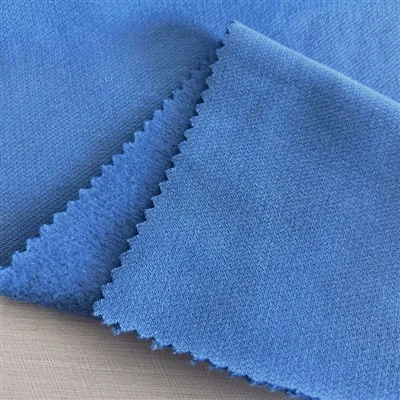
At the end of the day, yoga is for every body. The fabric that’s used to make yoga clothes should be too. Standard yoga fabric isn’t perfect for plus-size clothes, but that doesn’t mean it’s useless—with a few small adjustments, it can be the perfect base for high-quality, comfortable, durable activewear that works for everyone. If you’re ready to talk about custom fabric blends for your plus-size line, or if you just have questions about how to adapt yoga fabric for larger frames, we’re here to help.
Interlock Knit Fabric References
- Activewear Industry Report. (2022). "Size Inclusive Activewear: Market Trends and Consumer Needs." Global Fashion Council.
- Textile Research Journal. (2021). "Stretch Performance of Spandex-Blended Fabrics for Plus-Size Apparel." Association of Textile, Apparel, Footwear, and Leather Workers.
- International Journal of Clothing Science and Technology. (2020). "Moisture Management Properties of Performance Fabrics for Activewear." Emerald Publishing.
- LYCRA Brand. (2023). "Xtra Life Spandex: Performance Benefits for Activewear." Invista Textiles.
- Journal of Fashion Marketing and Management. (2022). "Consumer Perceptions of Size-Inclusive Activewear: The Role of Fabric Quality." Emerald Publishing.
Shaoxing Valu Textile Co., Ltd.
Shaoxing Valu Textile Co., Ltd. is one of the most professional yoga fabric manufacturers and suppliers in China. We have world-leading production equipment and strong manufacturing capabilities. Please feel free to wholesale bulk high quality yoga fabric made in China here from our factory. Also, custom service is available.
Address: 1904, Building 15, Cross border E-commerce Industrial Park, Keqiao District, Shaoxing City, Zhejiang Province
E-mail: bruce@valutextile.com
WebSite: https://www.valutextile.com/
