As a control cables supplier who’s worked with installers, maintenance teams, and OEM technicians for over a decade, I’ve lost count of how many times I’ve gotten a frantic late-night call from a field technician: “My wire strippers are broken, can I just use my pocket knife to trim the cable end?” The answer? Maybe, but often not— and that’s not just a preference, it’s a matter of safety, performance, and long-term reliability. Today, I want to break down exactly what special tools control cables require (and which jobs can get away with makeshift fixes, for context), because too many installers underestimate the role of specialized tools in a part that’s often the unsung backbone of industrial, automotive, and marine systems. Control Cables
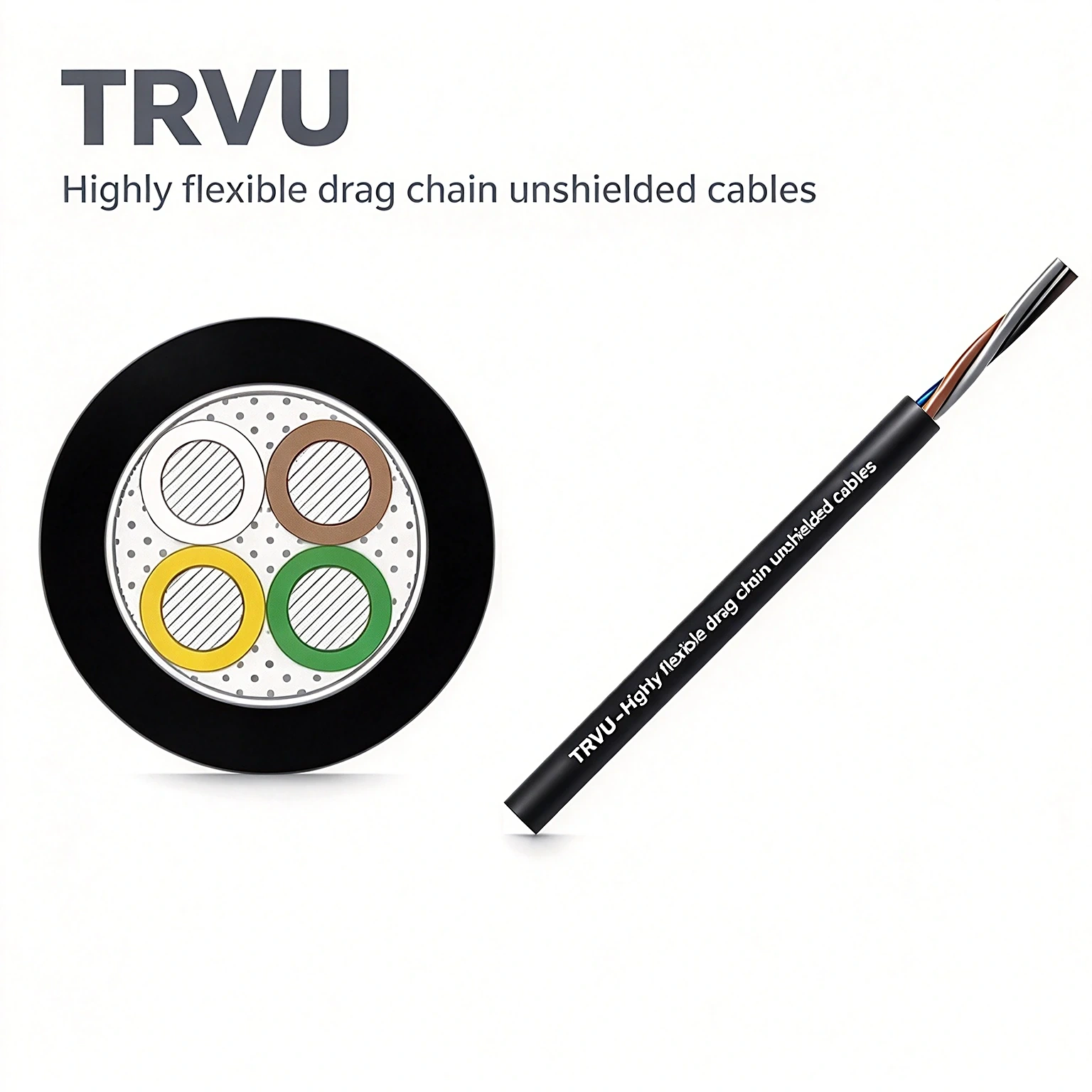
First, let’s ground this in what a control cable actually does. Unlike power cables, which carry large electrical loads, control cables are designed to transmit precise, low-force signals— think a shift cable in a tractor, a throttle cable in a generator, or a lift cable in a warehouse forklift. Their core components matter: most have a core (usually stranded steel, sometimes stainless steel) to pull or push, a liner (plastic or metallic) to reduce friction, and a fitting at the end to connect to levers or actuators. Mess up any step of installation, and you’re looking at a stuck shift mid-field, a generator failing to rev in an emergency, or a lift that won’t lower— scenarios that cost downtime, money, and even safety.
Let’s start with the non-negotiable special tools. First, a cable cutter rated specifically for control cables, not the utility knife or diagonal pliers many installers grab in a pinch. Here’s why: control cables’ stranded cores fray if you snip them with a regular tool. Diagonal pliers, for example, can crush the individual steel strands, turning a smooth, even core into a weak point that will snap under load after just a few uses. I’ve seen a contractor on a farm use bolt cutters to snip a throttle cable once; the core was frayed so bad the tractor’s engine seized 10 miles down a dirt road, costing the farmer an entire harvest day. A proper control cable cutter (ours are made with hardened steel jaws calibrated to snip stranded cores clean) leaves no burrs or frays— that’s non-negotiable. Most technicians don’t realize that cutting tools for control cables are sized to the cable’s gauge, too; a 10-gauge industrial cable needs a different cutter than a 18-gauge marine cable, and using the wrong one is just as bad as using a wrong tool.
Next, a tool to crimp or swage end fittings. Most control cables don’t just terminate with a screw; they have molded or crimped ends (like a barrel fitting, ball joint, or fork end) that lock the core in place without slipping. Making that connection requires a crimping tool specifically designed for control cable fittings, not a generic electrical crimp tool. Electrical crimp tools are made for solid copper wires, which are softer than steel cable cores; crimping a steel fitting with an electrical tool won’t put enough pressure to hold the core, leading to end separation mid-operation. I once worked with a construction equipment company that had 12 lift failures in a month because their techs were using electrical crimpers for their boom control cables— the fittings slipped, and the lifts dropped an inch each time, creating a safety hazard on the job site. Our team trained their techs on swage crimp tools, and those failures stopped overnight. For stainless steel control cables, some installations even need a hydraulic swager to apply enough pressure without damaging the core; that’s not optional for high-load applications, like crane control cables or heavy-duty industrial doors.
Then there’s liner cutting and deburring tools. The liner (often nylon or PTFE) inside a control cable housing has to be cut flush with the end of the housing, not too short or too long. If it’s too short, the core rubs against the housing wall, creating friction that makes the cable stiff and hard to actuate; if it’s too long, it gets pinched between the fitting and the housing, causing binding. A lot of installers use a razor blade or a utility knife to cut the liner, which almost always leaves burrs or uneven edges. Those burrs catch the core over time, leading to accelerated wear. We supply a deburring tool as standard with every bulk control cable order for a reason— it’s a small, cheap tool that trims the liner evenly and removes burrs in one step, eliminating that wear point. I’ve seen a warehouse swap out their old control cable cutters and razors for our recommended tools, and their cable replacement rate dropped by 60% in six months; that’s a concrete return on investment for a $20 tool.
Now, let’s be clear: not every installation requires every special tool, and there are cases where a bit of improvisation works— but those are very specific, low-load applications. A small 18-gauge control cable for a lawnmower might use a diagonal cutter if you don’t have a dedicated control cable cutter, as long as you carefully file the frayed ends afterward. A short run for a recreational bike’s brake cable might use a simple crimp sleeve and a pair of pliers, though we still recommend a specialized bike cable crimper to avoid slipping. The line where improvisation becomes risky is when load matters: any cable that operates a safety-critical system (forklifts, cranes, agricultural equipment throttle/shift, marine steering) needs those dedicated tools. If you’re installing a control cable in a system where a failure could cause injury or major downtime, cutting corners on tools is never worth it.
Wait, another common mistake: misalignment tools. Control cables need to run in a straight line with minimal bends; a bend that’s too sharp (under 90 degrees, depending on the cable) will increase friction and wear. To get the routing right, some installers use a tape measure and guess, but a cable routing jig (or even just a dedicated tool to measure bend radius) ensures that bends are within the manufacturer’s specifications. For example, our heavy-duty industrial control cables require a minimum bend radius of 12 inches; if you bend it tighter than that, the liner will collapse, and the core will fray. I’ve seen a technician route a crane control cable too tight, and it failed mid-lift on a construction site, causing a $20,000 delay— all because they skipped a $15 routing tool.
Now, let’s address a myth I hear all the time: “Control cables are simple, so anyone can install them with basic tools.” No, that’s a myth that’s caused more problems than anything. Control cables are precision components— even a 0.1mm misalignment in the end fitting can cause the core to bind, or a frayed strand that’s too small can lead to failure. The special tools aren’t just “nice to have”; they’re engineered to handle the unique properties of steel or stainless steel cores, plastic liners, and specialized end fittings that generic tools can’t accommodate.
From my vantage point as a control cable supplier, I see that the biggest barrier for installers isn’t access to tools— it’s not knowing which tools they actually need. A lot of small shops or field technicians buy the cheapest tools they can find, or use tools they already have, because they don’t realize the difference between a control cable cutter and a diagonal plier. That’s why we often include a quick installer’s guide with every order, outlining exactly which tools are required for each cable type. For example, our 10-gauge agricultural control cables require a hardened steel cutter and a swage crimp tool, while our 18-gauge marine control cables work with a lightweight cutter and a compression crimp tool.
I also want to note that using the right tools doesn’t just prevent failures— it makes the installation faster. A dedicated control cable cutter snips a cable in two seconds, whereas a utility knife takes 10 times longer and leaves you filing burrs afterward. A crimping tool for control fittings applies consistent pressure every time, so you don’t have to re-crimp a loose fitting an hour later. For installers working on tight deadlines, that’s a huge time saver.
Let’s talk about what happens when you skip the tools and it goes wrong, because that’s where the real cost comes in. Last year, a customer of ours— a municipal equipment company— tried to install a set of control cables for their street sweepers using basic tools. They used bolt cutters to snip the cables, and within two weeks, three of the sweepers’ hoist cables snapped while picking up heavy debris. The city had to pull all 12 sweepers out of service for a full week, costing them $40,000 in missed trash pickup fees and emergency repairs. When we sent our team to fix it, we showed them the frayed cores from their bolt cutters, and how a proper control cable cutter would have prevented that. They went out and bought the recommended tools immediately.
Now, for the question every installer is thinking: do I need to buy all these tools myself? If you’re a one-man shop doing occasional repairs on lawnmowers or bikes, maybe a good quality control cable cutter and a small crimp tool are worth the investment. But if you’re a fleet maintenance team, a construction company, or an agricultural operation, investing in a set of dedicated control cable tools will save you way more in the long run than the cost of the tools. That’s why we offer bulk tool packages for our regular customers, discounted so you can stock up and make sure your team has the right gear for every job.
I’d be remiss if I didn’t mention that some of the latest control cable designs, like those with bonded liners or stainless steel stranded cores, require even more specialized tools. For example, bonded liner control cables (where the liner is glued to the housing) can’t be cut with a standard tool; you need a heat knife to separate the liner from the housing without damaging it. These are used in high-performance automotive and aerospace applications, and using the wrong tool here will ruin the entire cable, which costs more than the tool itself.
So, to wrap this up: control cables do require special tools for most professional installations, especially in safety-critical or high-load applications. The tools aren’t just a marketing gimmick from suppliers like me; they’re engineered to work with the unique components of control cables, preventing fraying, binding, and premature failure. That said, low-load, small-scale applications might get away with improvisation (with caution), but never cut corners when lives or major operations are on the line.

If you’re an installer, fleet manager, or business owner who works with control cables and wants to make sure you have the right tools to get the job done safely and reliably, don’t hesitate to reach out. We can walk you through which tools are required for your specific cable applications, offer bulk tool discounts, and even provide on-site training for your team to ensure installations are done right the first time. No matter if you need a single replacement tool or a full set for your entire operation, we’re here to help.
HELUKABEL Data Cables References:
- Control Cable Installation Best Practices, Society of Automotive Engineers (SAE) International, 2022.
- Heavy-Duty Control Cable Design and Reliability Guidelines, National Agricultural Equipment Manufacturers Association (NAEMA), 2021.
- Marine Control Cable Safety Standards, International Organization for Standardization (ISO) 15502, 2020.
- Precision Cable Termination: Tools and Techniques for Industrial Applications, Industrial Maintenance and Repair Magazine, Q3 2023.
- Friction and Wear in Control Cable Liners, Journal of Mechanical Engineering, Volume 67, Issue 4, 2022.
Xiamen Kabasi Electric Co., Ltd.
Xiamen Kabasi Electric Co., Ltd. is one of the most professional control cables manufacturers and suppliers in China. With abundant experience, we are committed to providing high quality customized cables with competitive price. Please feel free to buy the newest control cables in stock here and get quotation from our factory.
Address: Third Floor, Building 6, Baochen Science and Technology Park, No.15 Dongfu West Road 2, Xinyang Street, Haicang District, Xiamen, China
E-mail: sale3@kabasi.cn
WebSite: https://www.kabasicable.com/
