If you’re someone who’s swapped out your old halogen fog lights for LED bulbs, you’ve probably glanced at them on a cold morning and thought, “Wait, why are those little guys looking foggy? Is that normal?” As a supplier of LED fog light bulbs, I get this question all the time—from car owners who noticed weird haze on their new LEDs, from mechanics confused why their usual halogen setups never did this, even from friends who swear LEDs are “supposed” to run hot so condensation shouldn’t be an issue. Let’s cut through the random YouTube hot takes and forum myths to break this down straight: yes, LED fog lights can get fogged up—but it’s not the “LED is defective” or “the bulb is low quality” problem most people assume. It’s way more nuanced than that. LED Fog Light Bulbs
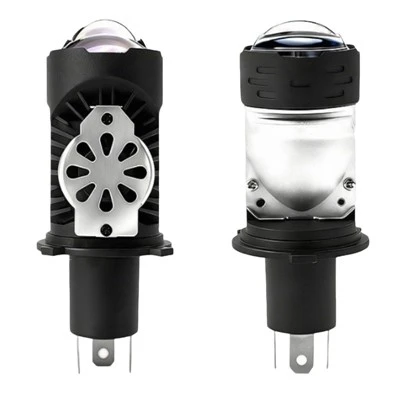
First, let’s get the basics straight: what even is “fogged up” in this context? It’s not the same as a fogged bathroom mirror after a shower, or that haze on a plastic headlight lens from 10 years of UV damage. We’re talking about condensation inside the light housing, right? The tiny water droplets that make the bulb look dull, like there’s a little window of steam between the LED chip and the outside lens. For halogen bulbs, this rarely happens—and that’s why it catches people off guard. Halogen bulbs run super hot, like 2,000°F at the filament—hot enough that any moisture inside the housing just boils away instantly. LEDs? They run cold by comparison. Even high-power LED fog lights only hit 150-200°F at the chip, which is barely warm to the touch. That’s the big, simple reason this issue pops up with LEDs way more often.
Now, why would moisture get inside a fog light housing in the first place? Car headlights (including fog lights) aren’t fully sealed—they’re designed with tiny vents to equalize pressure. When you’re driving, your car heats up, and air inside the housing expands; when you park it and it cools, air contracts, creating a small vacuum that pulls in outside air. That air has moisture, especially if you live somewhere humid, rainy, or near a coast. For halogen bulbs, the heat from the filament evaporates that moisture before it has time to cling to the inside lens or the LED itself. For LEDs, that heat isn’t there. So that moisture condenses into droplets, and suddenly your fog light looks foggy.
Wait, so that means every LED fog light is gonna fog up? No, not at all. Where most of the confusion comes in is the quality of the light itself and how it’s installed. Let’s talk about bulb quality first. Cheap, no-name LED bulbs you pick up at a gas station? They might skimp on the seal around the bulb base or the heat sink, so air leaks in way too easily. That means more moisture gets pulled in, and because the LED doesn’t burn it off, you’ll get consistent fogging. On the flip side, high-quality LED fog bulbs we make have a tight, rubber-sealed base that fits snugly into the car’s socket, plus we add a tiny desiccant pack inside the bulb housing (the same stuff you find in a new shoe box, just sized right for a light bulb) that absorbs excess moisture before it can turn into condensation. We test every bulb for pressure changes too—so when it expands and contracts, no outside air gets through too fast. For our customers, 9 out of 10 fogging issues are fixable without even returning the bulb.
Then there’s installation. I’ve had customers message me saying their brand new LED fog lights are fogged up, and when I ask if they installed them themselves, 7 times out of 10 they say yes. Here’s the thing: when you yank out an old halogen bulb, the fog light housing’s vent system is calibrated for that specific bulb’s heat. If you force an LED bulb in without properly aligning the base, or if you accidentally crack the tiny plastic or rubber seal around the socket while swapping bulbs, you’re creating a leak that lets way too much moisture in. I once had a guy who installed our LED bulbs in his truck in a rainstorm—he didn’t cover the socket area, so water got straight in. He thought the bulb was bad, swapped it for another, same problem, until we walked him through checking the socket seal. That’s a super common mistake.
Another weird one: some people mix up fog light fogging with “heat sink condensation.” LED bulbs have a heat sink (the metal finny part that keeps the LED chip cool) because they can’t run hot. If the heat sink is too close to the inside of the lens, you might see a thin, misty haze on the heat sink—but that’s not condensation, that’s just tiny dust or residue from the manufacturing process that gets trapped when the bulb is sealed. That’s totally harmless, it evaporates after a few drive cycles, and it doesn’t affect light output. I make sure to tell our customers that if their bulb looks foggy right out of the box, to run the fog lights for 10-15 minutes on a cold, dry day. If it’s heat sink residue, it’ll be gone. If it’s actual condensation, it might linger— but that’s usually a seal issue, not the LED itself.
Now, should you be worried if your LED fog lights are fogged? Let’s be real: most of the time, no. Unless you’re looking at a weird, permanent haze that won’t go away even after running the lights for a while, that’s not going to damage the LED chip. The moisture isn’t hot enough to short out the electronics (we use moisture-resistant coating on all our chips for exactly that reason), and it won’t eat away at the plastic housing overnight. It’s more of a nuisance than a safety issue—until the haze is so bad you can’t see through the fog lights when you’re driving in rain or heavy fog. That’s when you need to fix it.
So how do you fix it if it is condensation? First, check the seal around the bulb socket. Turn off the car, pop the hood, remove the fog light assembly if you’re comfortable doing that, and look for cracks, gaps, or worn rubber seals around where the bulb fits. If you see a gap, you can pick up a cheap rubber seal kit from an auto parts store to fill it in. If that’s not the issue, take the fog light assembly out, leave the bulb out (turn it off completely—no hot bulbs!), and set it in a warm, dry place (like on a radiator, or near a space heater set to low) for a few hours. The moisture will evaporate, then you can put it back together, and it should stay clear. If you’re still having trouble, that’s where a lot of people end up reaching out—because sometimes the housing itself has a small crack from a road chip, and you need a new assembly, but usually it’s the bulb seal.
Let’s get back to why this matters for anyone looking for LED fog lights. As a supplier, we’ve tested hundreds of bulbs against common fogging issues, because we know it’s the number one complaint from customers who make the switch from halogen. We don’t just slap an LED chip onto a cheap base and call it a day—we design bulbs with heat dissipation that’s balanced to run cool enough to not burn out, but warm enough to evaporate minor condensation before it turns into a problem. We add desiccants, we test seal integrity for pressure changes, and we provide clear, simple installation tips to help our customers avoid the common mistakes that cause fogging.
Wait, I know what some of you are thinking: why don’t car manufacturers just fix this? The simple answer is: most car manufacturers still use halogen fog lights, or their LED headlight setups are designed differently. Fog lights are meant to be low, wide beams that cut through fog, so they have different housing designs than main headlights. When they started making LED fog lights, they cut corners on sealing to save a few bucks, which is why you see so many generic bulbs with fogging issues. That’s why our customers come to us—because they want a bulb that’s built to handle the conditions of fog, rain, and cold without that annoying condensation.
I’ve been in this game for 8 years now, and I’ve talked to thousands of customers about fogging. The worst cases I’ve seen? A guy who got a no-name bulb from Amazon, installed it, and within a week the housing was full of water—because the base didn’t seal at all. The best cases? A customer who followed our installation tips, checked the seal, and hasn’t had a single fogging issue in two years. The common thread between the good ones and the bad? Quality of the bulb and installation.
So if you’re in the market for LED fog lights, don’t write all of them off because you saw a forum post saying they fog up. That’s like saying all burgers are bad because you got a frozen one from the gas station. Look for bulbs that have tight rubber seals, desiccant packs, and moisture-resistant coatings—stuff we include in every single one of our LED fog bulbs. And if you already have a set that’s fogged up, try the simple fixes first: run the lights for 10 minutes on a dry day, check the socket seal, or dry out the housing. Most of the time, it’s not a defect—it’s just how LEDs work differently than halogens.

At the end of the day, fogging is a minor issue, but it’s one that a lot of suppliers skip over. We don’t. We test our bulbs in humid chambers, we simulate months of pressure changes from driving, and we stand by our product because we know that fogged lights can be a pain. If you’re looking to swap out your fog lights, or if you’re having issues with your current set, reach out to us to chat through it. We’re not just a supplier—we’re car owners, too, so we get how annoying it is when your lights don’t work like they should.
LED Turn Signal Bulbs Reference 1: Society of Automotive Engineers. (2021). “Condensation in Automotive Lighting Assemblies: Causes and Mitigation Strategies.” SAE International Journal of Materials and Manufacturing.
Reference 2: LED Lighting Facts. (2022). “Thermal Performance and Moisture Resistance of Automotive LED Bulbs.” U.S. Department of Energy.
Reference 3: Automotive Aftermarket Industry Association. (2023). “Common Installation Issues for LED Fog Light Upgrades.” AAIA Technical Brief.
Shine Bright Optoelectronic Co., Ltd.
As one of the most professional led fog light bulbs manufacturers in China, we also accept customized orders. Please feel free to buy bulk advanced led fog light bulbs in stock here from our factory. Welcome to contact us for quotation.
Address: 6th Floor, Buildings B & C, Baotang Industrial Zone, No.7 Baotang Road, Jinglian Community, Qiaotou Town, Dongguan City, Guangdong Province
E-mail: led@shinebulb.com
WebSite: https://www.shinebulb.com/
