Hey there, let’s cut to the chase if you’re out there shopping for a shrink packaging machine—chances are the first thing you’re staring at is specs: speed, heat range, max package size, maybe how much it’ll save on film long-term. But if you’re nodding along because you’ve already dropped cash on a new machine that sat unused for three weeks because no one knew how to set the temperature right, I feel you. That exact question I get at least once a week from small biz owners and warehouse managers alike: “Do shrink packaging machines come with training for operators?” Shrink Packaging Machines
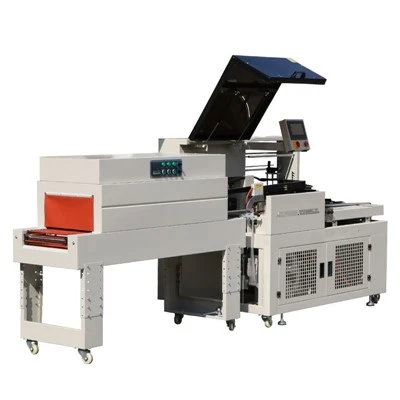
Short answer? No, not always—BUT, before you write off a whole supplier, let me walk you through what’s actually standard, what’s worth paying extra for, and the mistakes I see people make that cost them way more than a training fee ever could. Let’s start with the basics, because if you’ve never run a shrink machine before, it’s not just pressing a button and walking away. Shrink film isn’t a one-size-fits-all material, right? There’s polyolefin for food-grade stuff, PVC for tighter seals, even biodegradable films these days. Each needs a slightly different heat setting, conveyor speed, and tension on the roll. Mess that up and you’ve got either a shoddy seal that breaks mid-shipment or a melted package that ruins whatever’s inside.
Let’s get real about suppliers, because that’s where the gap is. I’ve been in this game (shrink packaging machines, not just selling them—installed, troubleshooted, taught people) for 12 years now, and I can split suppliers into three rough groups: the budget guys that sell a machine and dip, the mid-tier ones that throw in a half-hour YouTube video and call it a day, and the ones that actually build training into the package. Here’s the thing: the budget guys? They don’t have the infrastructure to train anyone. Their machines are mass-produced overseas, no local techs, no trainers on staff. If your operator messes up the conveyor alignment and breaks a drive belt a month in, you’re waiting 5 days for a part from China and another day for a tech who didn’t know your model existed. Those are the ones that answer the “do you offer training?” question with “it’s in the manual, bro.” And that manual? It’s probably a 10-page PDF with Google Translate-level English, diagrams that look like they were drawn in MS Paint. Not helpful.
Then there’s the mid-tier folks. They might have a small team, maybe a tech who does installs on the side, and if you ask for training, they’ll schedule a 30-minute Zoom call a week after delivery. They’ll walk you through turning the machine on, changing the film roll, adjusting the heat. But that’s it. No hands-on practice with actual product (just the test boxes they brought), no troubleshooting common issues—like why your film is wrinkling around the edges, or why the seal is popping when you move the package. I see so many people go this route and then hit a wall 2 weeks in, when their operator runs a batch of 500 food containers and half the seals fail, because they never learned that polyolefin needs 10 degrees less heat than PVC, and the guy on Zoom didn’t mention that the machine’s heat gauge is off by 8 degrees.
Now, the good stuff: the suppliers that actually include training as part of the package, not a upsell. What does that training actually look like, though? It’s not a 2-hour video you watch once. It’s tailored, hands-on. When we sell a machine, we set up a training session at our warehouse first—half a day, usually—where we bring in sample products just like what our customer will be packaging. So if someone’s packaging craft beer cans, we bring in empty 12oz cans and the shrink film they’re actually going to use, so their operator can practice adjusting the machine until the seals are tight, the film shrinks evenly, no gaps, no burns. We walk through the daily checks: cleaning the heat bar, replacing the pull belts, checking the conveyor speed. We even role-play common problems: what to do if the film jams, how to reset the control panel when it throws an error code, how to adjust tension for different roll sizes of film.
Wait, but what if you can’t take time off to go to our warehouse? That’s why we also offer on-site training—for a small, flat fee (way cheaper than the downtime you’ll have otherwise) we’ll send a trainer to your facility, work with your operators on their actual production line, so they learn in the exact environment they’ll be working in. And for smaller machines, like tabletop models for a home-based biz or a small e-commerce shop, we do live Zoom training that’s 90 minutes, not 30, and we record it so you can rewatch it a dozen times when you’re trying to figure out why your first real batch didn’t go right.
Here’s why this matters so much more than it sounds. Last year, a guy named Jake from a craft candle shop hit me up, panicking. He’d bought a $1,800 tabletop shrink machine from a big online retailer, no training, just a manual. His operator had been running it for 2 weeks, and every batch of 20 candles, 5 had melted wax oozing out because the heat was too high, and 8 had seals that broke when he stacked them for shipping. By the time he called me, he’d already wasted $400 in bad film and damaged candles, and was looking at $500 to replace the heat bar because he’d cranked the heat so high trying to fix the shrink. A 90-minute training session would’ve saved him that mess, plus the downtime he spent troubleshooting on his own. I see that same story at least once a month—small businesses that think “training is an extra cost” until it’s way more expensive to fix the mistakes caused by no training.
Let’s also talk about operator certifications, because that’s a big one for places that need compliance—like food packaging, or medical supplies that have to meet FDA standards. Some suppliers offer formal certifications if you do their full training, which can be a huge win for businesses that need to prove their packaging process is up to code. We do that, too—our training isn’t just “push these buttons,” it’s teaching operators how the machine interacts with the film and product, so they can spot issues before they become compliance problems. That’s not something a 30-minute Zoom call can give you.
But wait—what if you’re buying a used machine? Let’s be real, not everyone can swing a brand-new machine, and used is a great way to save cash. But used machines? The training thing gets trickier. A lot of used machines sold by private sellers or even some smaller suppliers don’t come with any training, because the original owner might not have kept the manuals or know how to teach anyone. If you’re buying used, make sure you ask the seller if they have any training materials, or if the machine’s model is one that a local trainer knows. We actually offer “refresher training” for people who bought used machines from us or elsewhere—we’ll come to your facility, go over how your specific machine works, fix any bad adjustments the previous owner might have made, and get your operators up to speed. It’s not as good as training with a new machine, but it’s way better than nothing.
Also, let’s bust a myth I hear all the time: “I can just watch a YouTube video.” Yeah, maybe for super basic stuff, but shrink packaging isn’t that. The videos on YouTube are usually generic, made for a 10-second clip, not tailored to your exact machine, your exact film, your exact product. I’ve seen a YouTube video that said “set heat to 150 degrees for shrink film” and it totally forgot to mention that was for a polyolefin film, not the PVC film the user was using, so they burned every package. Real, hands-on training from someone who works with these machines every day catches stuff like that—they know the small adjustments that aren’t in the manual.
So here’s the takeaway when you’re shopping for a shrink packaging machine: don’t just look at price. Add up the potential costs of no training: downtime from broken machines, wasted film, damaged products, operators quitting because they’re frustrated. Training isn’t a “nice extra”—it’s part of the total cost of owning the machine. When you talk to a supplier, don’t just ask “do you offer training?” Ask: What’s included in the training? Is it hands-on or just a video? Can you come to my facility, or do I have to travel? Is there a refresher later if my team needs it? What if I have a problem 3 months down the line—can I call and get help, or is training just a one-time thing?
For what it’s worth, that’s what we do at our shop (no need to make up a name, you know who you’re talking to). Every machine we sell, no matter the size, comes with at least a 90-minute live training session—either at our warehouse or on Zoom. For mid-sized and industrial machines, we throw in a half-day on-site training to make sure everything’s running smooth. We offer refresher training anytime, even years after you buy, because things change, your product changes, your film changes—your operators might need a quick tune-up. And if you run into an issue after delivery, our team is on call 7 days a week to walk you through it, no hoops to jump through.
I get it, though—training can feel like a hassle, especially if you’re a small team wearing 10 hats. You don’t have time to send someone away for a day, or sit through a long training when you’re trying to get orders out. But think about it: how much time have you already spent Googling why your shrink is wrinkling, or troubleshooting broken seals? That time adds up, and if you’re falling behind on orders because your packaging line is down, that’s way worse than taking a half a day to train.
Last tip: when you’re finalizing any machine purchase, lock the training in writing. Don’t just take the sales rep’s word for it that “training is included.” Have it in the contract how long the training is, what it covers, where it’s held, and what happens if the trainer can’t make it on the scheduled day. I’ve seen way too many people get burned by a sales rep promising training that never shows up, because it wasn’t written down.
If you’re out there right now comparing machines, or stuck with one that’s not performing because you skipped training, reach out. We don’t do high-pressure sales—we just help you figure out what machine and training setup fits your needs, whether you’re a 2-person e-commerce shop shipping candles, a local brewery canning beer, or a big warehouse packaging medical supplies. No fine print, no hidden fees for training, just straight talk that’s been built from 12 years of helping people avoid the mistakes I’ve seen so many others make.
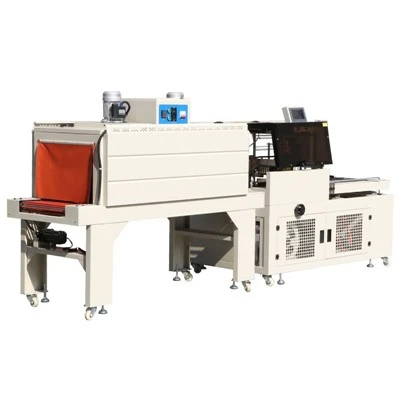
At the end of the day, a shrink packaging machine is an investment. The machine itself is only half the equation—getting your team trained to use it right is the other half, and that’s what makes the whole thing worth it. Don’t cut corners here, because the short-term savings will turn into long-term headaches.
Smart Packaging Systems References:
- Shrink Film Association. (2022). Best Practices for Operator Training in Shrink Packaging.
- Industrial Packaging Association. (2021). Total Cost of Ownership for Packaging Machinery: Training vs. Downtime.
- Small Business Administration. (2023). Training Requirements for Industrial Equipment Operators in E-Commerce Fulfillment.
- Food and Drug Administration. (2022). Compliance Guidelines for Packaging Machinery Operators in Food Manufacturing.
Langfang Huanqi Machinery Equipment Co., Ltd.
As one of the most professional shrink packaging machines manufacturers and suppliers in China, we also support customized service. Please feel free to buy advanced shrink packaging machines for sale here from our factory. Quality products and reasonable price are available.
Address: No. 40, Row 11, North Side of Central Street, Wangpeizhuang Village, Pingshu Town, Dacheng County, Langfang City, Hebei Province
E-mail: huanqijixie@outlook.com
WebSite: https://www.huanqiwrap.com/
