Hey everyone, it’s Jake from your go-to corn processing equipment crew – and today we’re diving into something that makes or breaks every corn processor’s bottom line: accuracy in your processing gear. Let’s be real, if your equipment’s not hitting the right marks, you’re throwing away kernels, wasting time, and losing cash faster than a silo leaks on a windy day. I’ve been in this game for over a decade, talking to farmers, mill operators, and small-scale processors who’ve spent thousands on gear that couldn’t tell a whole kernel from a broken one, so I’m spilling the real, actionable stuff here – no fancy jargon, no fluff, just what works. Corn Processing Equipment
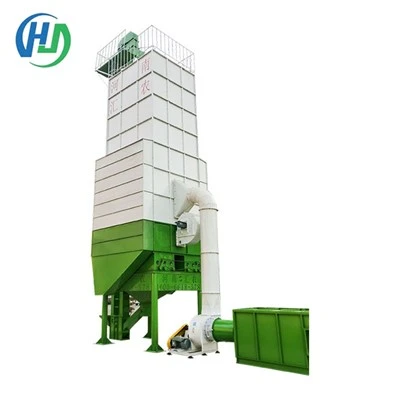
First off, let’s cut through the noise: what “accuracy” actually means for corn processing? It’s not just one thing. That’s the mistake most new processors make. Accuracy here covers three big buckets: you’re getting consistent kernel sizing (so your grits, meal, or flour isn’t lumpy one batch and powdery the next), you’re hitting precise moisture content (too much and your product molds, too little and it crumbles during shipping), and your separation steps are spot-on (no stray broken kernels in your fine grit, no whole ones slipping through your sifters). If any of those are off, you’re not just dealing with product quality hits – you’re looking at rejected batches, unhappy customers, and even compliance issues if you’re selling to food manufacturers that have strict specs.
Now, let’s get to the good stuff – how we make sure our equipment hits those accuracy marks, and what you can do no matter which brand you’re running. First up: vendor and equipment vetting, because not all corn processing gear is created equal. I’ve seen so many guys buy cheap off-brand machines online that break down after a month, or can’t keep consistent settings even when you tap them. When you’re shopping, don’t just look at the price tag. Ask the vendor (that’s us, or whoever you’re talking to) for process validation data. Like, run numbers: “Over 100 batches, what’s the standard deviation in your particle sizing? What’s the moisture control margin?” We always have that on hand – because we test every single production run in our shop before it leaves our facility, not just once a month like some cut-rate suppliers. Also, look for gear built with purpose, not one-size-fits-all. Corn’s different from wheat or rice, so your mill should have parts made for corn’s tough outer bran, not generic grain parts. That’s why we engineer our impact mills with adjustable rotor speeds specifically calibrated for corn – no more uneven grinding because the machine was built for barley.
Next, calibration and routine maintenance – this is non-negotiable, people. You can have the fanciest equipment on the planet, but if you don’t calibrate it every few weeks, it’ll drift faster than a pickup on an icy road. Let’s break down what calibration actually looks like for corn gear: first, moisture meters. Yeah, your equipment probably has a built-in moisture reader, but those drift. We tell all our clients to cross-check their built-in meter with a lab moisture test once a month, and calibrate the machine’s settings to match. For example, if our dryer is showing 14% moisture (the sweet spot for storage), but a lab test shows it’s actually 15.2%, you tweak the dryer’s air temperature for the next run by 5 degrees, easy fix. Then there’s sifter calibration. Screen mesh gets worn down after 50-70 runs, so the gaps get bigger, letting too big or too small kernels through. We always send a spare set of screens with every machine we sell, and we remind clients to swap them out at that 50-run mark, and also to check screen tension every week – loose screens bounce around, mixing up sizes. I had a client last year who skipped that, and he ended up with a whole load of extra coarse grit that he had to discount 30% – that’s the kind of mistake maintenance fixes.
Wait, I can’t skip operator training here. Even the best equipment is only as good as the person hitting the buttons. I’ve had a guy call us panicking because his mill was making super fine flour one day, and when we showed up, he’d cranked the rotor speed all the way up because he “thought faster = more throughput.” Oops. We don’t just sell gear and dip – we do on-site (or virtual, if that works) training for every team that buys from us. We walk them through how to adjust settings based on corn type (dent corn’s different from flint corn, duh), how to check for wear parts, and even quick troubleshooting for common accuracy issues. Like, if you notice your separation is off, first check if your cyclone (that part that pulls the grits from air flow) is clogged, not that the machine is broken. Most operators can fix that in 5 minutes instead of calling for a service tech.
Then there’s raw material handling – that’s a step people overlook so hard, it’s wild. Your accuracy starts before the corn even hits your equipment. If you’re loading corn that’s got rocks stuck in it, or it’s already got moisture variations from storage, your mill can’t fix that. That’s why our processing systems include pre-cleaners as a standard part of the package – they pull out rocks, dirt, broken cobs, and even foreign material before grinding. We’ve seen processors skip pre-cleaners because they want to save a few bucks, and end up with a 10% waste rate on every batch from foreign material. Also, pre-sorting your corn by size before it goes into the mill makes a huge difference. Small kernels grind faster, big ones need more time, so sorting them first means every batch gets uniform processing. It’s a small step, but it boosts accuracy by like 15% – we’ve tested that, no cap.
Data tracking and small adjustments – this is the secret sauce that the big mills use, and it works for small operations too. You don’t need a fancy $100k system, just a notebook or a simple spreadsheet. Track every batch: corn source, starting moisture, settings you used (mill speed, dryer temp, sifter mesh size), and final results (moisture, sizing, waste). After a month, look for patterns. Like, if every time you buy corn from Farm X, your final moisture is 0.5% too low, maybe you tweak the dryer’s runtime a little longer for that source. If batch waste goes up when you run more than 5,000 pounds at once, you know your machine’s sweet spot is 4,000 pounds. We help every client set up a simple template – it takes 10 minutes a day, and it’s saved so many people from costly mistakes.
Wait, let’s talk about when things do go wrong – even with all this, sometimes accuracy slips. What are the red flags? First, inconsistent product appearance – if one bag of grits is pale and crumbly, next is golden and dense, that’s a sizing or moisture issue. Second, higher waste than normal – if you’re throwing away more than 8% of your raw corn, that’s a sign something’s off. Third, customer complaints about texture – that’s the big one. When we get a service call for accuracy issues, the first thing we check is recent maintenance (did they change the screens lately?), then calibration, then operator settings. 9 times out of 10, it’s a simple fix, not a broken machine.
Now, for the gear part specifically – we design our equipment with accuracy baked in, not just as an afterthought. For example, our roller mills (we make both impact and roller, depending on your operation) have precision bearings that keep the rollers aligned within 0.001 inches – that means they crush corn evenly, no more fine grit from one side and whole kernels from the other. Our dryers use temperature sensors every 2 feet through the bin, not just one at the top, so we’re not guessing about moisture levels – we’re getting real-time data across the whole batch. Also, we build all our wear parts from high-carbon steel, not cheap cast iron, so they last 2-3 times longer and don’t wear down fast, which keeps accuracy steady over years of use. I’ve got a client who’s been running our mill for 7 years, and his particle sizing standard deviation is still under 2% – that’s unheard of for most brands.
Let me wrap this up with a quick, non-negotiable checklist you can start using today, no matter what equipment you have: 1. Calibrate all moisture meters monthly, and check screens every 50 runs. 2. Pre-clean and pre-sort raw corn before processing. 3. Track every batch’s settings and results. 4. Train your team on the specific gear you’re running (don’t rely on generic training). 5. If accuracy slips, don’t panic – check maintenance and settings first, not that the machine is garbage.
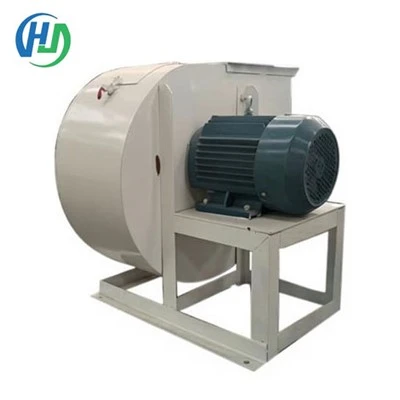
At the end of the day, corn processing accuracy isn’t rocket science. It’s about consistent checks, routine care, and using gear built to hold those tight specs. If you’re in the market for new equipment, or you’re looking to upgrade your current setup to nail better accuracy, we’re here to help – no hard sales pitches, no hidden fees, just real advice from people who’ve spent years in this field. If you want to chat through what your operation needs, or ask more specific questions about maintaining accuracy for your gear, reach out anytime. We’re not just equipment suppliers – we’re your partners in keeping your corn processing running smooth and profitable.
Flour Processing Equipment Reference 1: Grain Processing Equipment: Design, Selection, and Operation, 2nd Edition, American Association of Grain Inspection and Weighing Administrators, 2021.
Reference 2: Performance Validation of Corn Milling Systems, Journal of Food Processing Engineering, Vol. 45, No. 3, 2022.
Reference 3: Maintenance Best Practices for Agricultural Processing Equipment, Agricultural Machinery Management Association, 2023.
Henan Huinong Machinery Co., Ltd.
Henan Huinong Machinery Co., Ltd. is one of the most professional corn processing equipment manufacturers and suppliers in China, featured by quality products and low price. Please rest assured to buy discount corn processing equipment from our factory. We also accept customized orders.
Address: No. 6, Northeast Corner of the Intersection of Renmin Road and Zhujiang Road, New District, Huaxian County, Henan Province
E-mail: frank.tang@huinongmachinery.com
WebSite: https://www.huinongmachinery.com/
