A few years back, a casual chat at a marine trade show left me thinking about a question that’s come up again and again from customers stopping by my booth: “Can Oxford Fabric be used for making sails?” As someone who’s spent a decade supplying Oxford Fabric to everything from outdoor gear makers to marine equipment repair shops, I’ve watched this question swing from a passing curiosity to a genuine, practical ask—especially as more small boat owners and DIY sailors hunt for durable, cost-effective alternatives to traditional sail cloth. It’s not a yes-or-no answer, and it’s not a cut-and-dry “replaces everything” either; it’s a breakdown of what Oxford Fabric is, how it holds up to the unique demands of sailing, where it works, where it falls short, and what that means for anyone weighing it as an option. Oxford Fabric
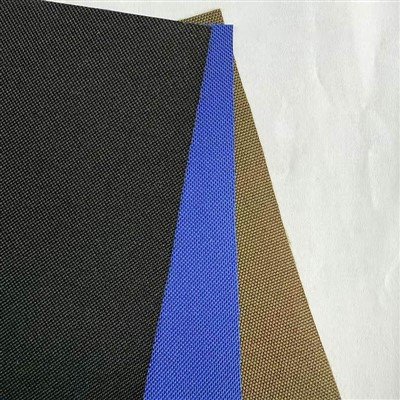
First, let’s get clear on what Oxford Fabric actually is, because a lot of people only know it from their backpacks or work shirts, where it’s soft, breathable, and relatively lightweight. For the marine sector, we stock two core types of Oxford Fabric, both woven differently and suited to very different uses. Standard Oxford Fabric is a plain-weave textile with a characteristic “basket” texture, made by weaving thicker warp threads (running the length of the fabric) and thinner weft threads (crossing the fabric) in a 2-and-1 pattern—think one thread crossing two, skipping one. For heavy-duty or outdoor applications, we also offer ripstop Oxford Fabric, which adds small, reinforced crosshatch patterns every 2 to 5 centimeters to stop small tears from spreading if the fabric gets snagged. That weave structure is key to how it performs on the water, because sailing sails aren’t just pieces of cloth—they’re exposed to constant wind, salt water, UV rays, and repeated stress from being raised, lowered, and trimmed to catch wind.
Traditional sails, for context, are almost always made from one of two materials: woven polyester (called Dacron, the workhorse of recreational sails) or advanced synthetic fabrics like carbon fiber-infused laminates, used for racing. Dacron is durable, resistant to UV damage, and holds its shape well when stretched—but it’s heavier than you might think, and it’s designed to be aerodynamic, not just tough. Laminates are lighter and stronger, but they’re also more expensive, require specialized sewing, and can’t be repaired as easily if they get damaged. So where does Oxford Fabric fit into this mix? Let’s start with the good, because that’s why so many sailors are asking about it.
Oxford Fabric’s biggest strengths for marine use are durability, affordability, and ease of maintenance, three things that matter a lot for casual sailors or anyone who uses a small boat only on weekends, rather than competing in races. The weave is dense enough to block wind—wait, no, hold on: wait, standard Oxford Fabric is semi-breathable, but if we stock a coated Oxford Fabric, that’s designed to be water and wind resistant. That’s the version most relevant for sails, not the uncoated, soft Oxford used for shirts. Coated Oxford Fabric (usually with a polyurethane or acrylic coating) seals the small gaps between woven threads, making it windproof and water-resistant, which is exactly what a sail needs to catch wind without letting it pass through. The ripstop variety we supply, in particular, is built to resist tearing: if you snag it on a dock piling or a boat line, the crosshatch patterns stop the tear from growing beyond a small spot, which is a huge plus for anyone who’s ever dealt with a sail that splits from a single small tear mid-sail.
Another big win: Oxford Fabric is way easier to work with than traditional sail cloth for casual applications. We supply it in large, manageable rolls that most DIYers can handle without specialized equipment. Sewing it is simpler too—unlike laminates, which require industrial heat-sealing, Oxford Fabric takes standard thread and a regular sewing machine, so a weekend sailor with basic sewing skills can make their own small sail without investing in expensive tools. That’s not a trivial point; a new mainsail for a small dinghy can cost $500 or more from a marine supplier, but a DIY Oxford Fabric sail can be made for $50 to $100 in material, which is a massive difference for people who don’t sail often enough to justify that cost.
But let’s not gloss over the limitations, because Oxford Fabric isn’t a perfect sail material, and it will fail if used for the wrong purpose. The biggest drawback is stretch. Oxford Fabric, even the heavy-duty ripstop we supply, has more give than Dacron sail cloth. When wind pushes on a sail, it needs to hold its shape to catch wind efficiently, right? If a sail stretches too much, it doesn’t generate the same lift, which means your boat will be slower, less maneuverable, and harder to trim to the wind. That stretch makes Oxford Fabric a bad choice for any sail that needs to hold a tight shape: mainsails, headsails, or any sail used for regular sailing or racing. Where it does work, though, is for sails that don’t need high aerodynamic performance. Think spinnakers? No, wait—wait, something like a drift sail, a heavy-weather drift sail, or a small “sail” for a dinghy used only for casual sailing in light to moderate winds, not for going fast. Or even covers, wait no—the question is about making sails, so let’s stick to sails. Another use case: a storm jib for a small sailboat. Storm sails don’t need to be aerodynamic; they need to be tough, hold up to heavy wind, and be easy to furl quickly if conditions get worse. Oxford Fabric’s strength and tear resistance make it perfect for that. I’ve also had a few customers use it for auxiliary sails on smaller craft, like a canoe with a small sail for crossing a lake, where speed isn’t the priority and ease of repair is.
Another limitation: UV resistance. Uncoated Oxford Fabric will fade and break down in sunlight over time, just like any fabric. That’s why all the marine-grade Oxford Fabric we supply has a UV-stabilized coating added during production, but even that isn’t as durable as the UV inhibitors built into Dacron sail cloth. We typically recommend that a sail made from our UV-stabilized Oxford Fabric will last 3 to 5 years, compared to 10 to 15 years for a Dacron sail. That’s a big gap, so it’s not a material you want to use if you sail every day, year-round, in direct sunlight. It’s better for casual use, or for sails that are only used occasionally and stored out of direct sun when not in use.
There’s also the question of weight. Oxford Fabric is heavier than the high-performance laminates used for racing, and only slightly lighter than Dacron. For small boats, extra weight isn’t a huge deal for a storm sail, but it can affect how a sail handles if you’re trying to move quickly. Again, that’s why it’s not ideal for primary sails, but perfect for auxiliary or emergency sails.
I’ve seen this play out firsthand with two customers of mine, which is why I don’t just give a vague “yes” or “no” to the question. Last year, I worked with a small boat owner in Maine who has a 14-foot dinghy he uses for day sails in Penobscot Bay, only on weekends in the summer. His old mainsail was torn beyond repair, and he didn’t want to spend $700 on a new Dacron one that would be overkill for his casual use. He bought our heavy-duty ripstop UV-stabilized Oxford Fabric, sewed a new mainsail himself, and has used it for over a year now. He told me it’s held up to snags on mooring lines, sudden gusts of wind, and has only faded slightly, with no tears. It’s not as fast as his neighbor’s Dacron sail, but it works for what he needs.
On the other side, I had a customer a few years back who tried to use our standard Oxford Fabric to make a mainsail for a 22-foot sailboat he uses for weekend racing. Within six months, the sail stretched so much that he could barely sail upwind, and a small tear turned into a 2-foot gash after a few months. He ended up having to replace it with a Dacron sail, and he learned the hard way that Oxford Fabric isn’t designed for that kind of consistent, high-stakes use. That story is a good reminder that the key to using Oxford Fabric for sails is matching the material to the use case.
So, to circle back to the original question: Can Oxford Fabric be used for making sails? The short answer is yes, but only for specific, non-high-performance uses. It’s not a replacement for traditional sail cloth, but it’s a great, cost-effective alternative for casual sailors, DIY projects, emergency sails, and auxiliary sails. If you’re someone who sails a small boat only occasionally, needs a durable, easy-to-repair sail, and isn’t competing in races, Oxford Fabric is absolutely worth considering. If you need a mainsail or headsail for regular sailing or racing, it’s not the right choice.
As a supplier of Oxford Fabric, I’ve worked with dozens of customers over the years who’ve used our material for marine projects, and the biggest mistake I see is people assuming all fabric is the same. That’s why I always make sure to explain the differences between our standard, ripstop, coated, and UV-stabilized Oxford Fabric when someone comes to me with questions about sails. It’s not just about selling material—it’s about making sure people get the right product for their needs, so they don’t waste time or money on something that won’t work.

If you’re considering making a sail for your small boat, whether it’s an emergency storm sail, a drift sail, or an auxiliary sail, and you’re looking for durable, cost-effective Oxford Fabric that’s suited for marine use, feel free to reach out to discuss your project. We can walk you through the different fabric types, help you pick the right weight and coating for your needs, and even offer tips on sewing and maintenance specific to sailing applications.
Oxford Fabric References:
- Marine Fabric Technical Guide, American Boat and Yacht Council, 2022
- Oxford Fabric Properties and Applications, Textile Institute, 2021
- Recreational Sail Material Performance Study, National Marine Manufacturers Association, 2023
Dongyang Huangxiu Leather & Plastic Co., Ltd.
With abundant experience, we are one of the most professional oxford fabric manufacturers in China. We warmly welcome you to wholesale customized oxford fabric made in China here from our factory. If you have any enquiry about quotation and free sample, please feel free to email us.
Address: Huangxiu Leather & Plastic Products, No. 79 Shunda Road, Huashui Town, Dongyang City, Zhejiang Province
E-mail: x372921764@163.com
WebSite: https://www.huangxiutextile.com/
