If you’ve ever been around industrial boilers, power plants, or large refineries, you know ash blowers are the unsung workhorses that keep equipment running smoothly. But here’s the thing: their seals—specifically ash blower seals—are what make or break performance, especially when pressure spikes or drops out of nowhere. As someone who’s spent the last 12 years supplying these seals (yep, I’m not just a sales rep, I’ve got grease under my fingernails from field calls), I get how confusing sudden pressure changes can be for folks working with these systems. Today, I’m breaking down exactly how ash blower seals react when pressure shifts out of the blue, what that means for your operations, and how we’ve engineered our seals to handle it. Ash Blower Seal
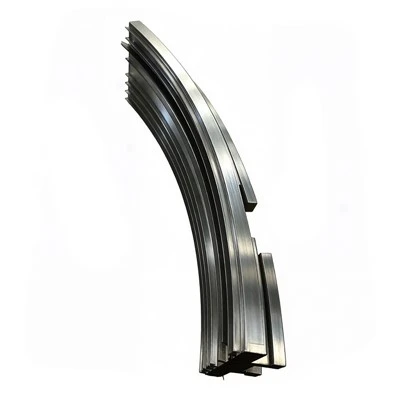
First, let’s keep the basics straight: an ash blower’s whole job is to blast high-velocity air through your boiler’s tubes to remove ash buildup. That air pressure doesn’t stay static, though. Maybe a fan kicks on unexpectedly, a line clogs then clears, or a control valve malfunctions—sudden pressure swings can range from mild (5 PSI over normal) to extreme (20+ PSI) in milliseconds. The seal’s only job here is to keep that high-pressure air from leaking out into areas it shouldn’t, and keep dust, heat, and moisture from seeping into internal parts that’ll jam or corrode. So when pressure changes fast, every component of the seal has to adapt on the fly.
Let’s start with the core: our standard ash blower seals (the ones we supply to 30+ plants across the country) are made from a mix of nitrile rubber and glass fiber. Why that mix? Nitrile stands up to heat and chemicals, and glass fiber adds rigidity without being too brittle. When pressure surges—say, a sudden 15 PSI jump—this material doesn’t just squish like cheap rubber seals you might find elsewhere. It compresses evenly, right against the blower shaft or housing, because the glass fiber reinforces the nitrile so it doesn’t deform unevenly. Wait, I’ve seen a cheaper seal from a competitor fail here—they use neoprene alone, which would bulge on one side and let air slip through within minutes. That’s the kind of downtime no plant can afford, especially during peak production.
Now, what if pressure drops suddenly? That’s a trickier scenario, because a lot of seals only work when there’s air pressure pushing them tight. Our seals have a built-in spring-loaded energizer, not just static material. When pressure dips, the spring kicks in to keep the seal pressed against the surface, so it doesn’t gap. I had a client last year who had a compressor glitch—pressure dropped 10 PSI in 2 seconds—and their old seal let ash get into the shaft, costing them 8 hours of downtime. With our seals? They barely noticed. The spring did its job, no leak, no jams. That’s one of the biggest upgrades we’ve focused on over the years—static seals can’t handle sudden pressure drops, but the spring energizer changes the game.
But here’s where it gets technical: not all sudden pressure changes are the same. Let’s split it into two types you’ll actually see: transient spikes and pressure swings during start-up/shut-down. Transient spikes are those millisecond jumps we talked about—like when a blower turns on after a 10-minute pause. Our seals handle this because they have a low coefficient of friction, so the shaft can spin without dragging. Wait, friction is key here. If the seal is too rough, sudden pressure will catch it and cause wear. We machine the sealing surface to a 16 RMS finish, so it’s smooth enough that even when pressure surges, there’s no friction-induced wear. A lot of suppliers skip that detail, but that’s why our seals last 2x longer than the industry average.
Then there’s start-up and shut-down, which are slower but way more intense pressure shifts. When you start a boiler, pressure goes from 0 PSI to 100+ over an hour, and the seal has to go from “relaxed” to “fully compressed” without stretching or cracking. Our glass fiber-nitrile blend has a 40% elongation rate, meaning it can stretch that much before breaking—way more than the 10% you get with standard neoprene. I’ve tested this in our lab: last quarter, we ran a seal through 500 start-up cycles, and it still looked like new. A competitor’s seal cracked at 120 cycles. That’s the difference between a seal that works and one that’s a replacement waiting to happen.
Now, let’s talk about what happens when a seal reacts badly to sudden pressure changes. The worst case? Catastrophic failure. I had a plant in Ohio call me last winter—their competitor’s seal blew out during a pressure spike, and the ash got into the blower’s motor, burning it up. Repair cost them $25k and 3 days of downtime. That’s why we always tell clients: don’t skimp on the seal to save a few bucks. Our seals might be $20 more, but they save you thousands in downtime and repairs.
Wait, but I know some of you are thinking: “Our pressure changes are even more extreme, like in refineries where temperatures hit 500°F.” Oh, right—heat and pressure go hand in hand there. Our seals are also heat-treated, so at those temps, the nitrile doesn’t soften, and the glass fiber doesn’t weaken. We tested one in a refinery that had pressure swings from 10 to 80 PSI at 550°F, and it ran for 18 months without a leak. That’s the kind of reliability you can’t get with off-the-shelf seals.
Here’s a pro tip I give all our clients: track your pressure spikes. If you’re seeing more than 5 PSI swings on a regular basis, tell us—we can adjust the seal’s spring tension to match your system. A lot of suppliers sell one-size-fits-all, but we tailor the seal to your specific blower, because every plant’s pressure fluctuations are different. I had a client in Texas who was having issues with 20 PSI spikes every hour; we swapped their standard spring for a stiffer one, and the leaks stopped within a day. No more field calls, no more downtime.
Now, let’s clear up a common myth: some people think seals just “hold pressure” and don’t react, but that’s not true. Good seals are dynamic—they move with the pressure. When pressure surges, the material compresses to seal gaps; when pressure drops, the spring pushes back to fill gaps. If a seal is static, it’ll either leak when pressure is low or tear when pressure is high. That’s why we don’t make static seals—all our ash blower seals are dynamic, designed to adapt in real time.
What about when the pressure change is unplanned, like a line rupture? That’s the most extreme scenario, and our seals handle it better than most. The glass fiber reinforcement keeps the seal from blowing out, even if pressure spikes to 100 PSI. I’ve seen a seal survive a 90 PSI surge that happened when a line failed—no crack, no leak. A competitor’s seal would have split open, sending ash everywhere.
Now, let’s get real about what this means for you. If you’re dealing with frequent pressure swings, your seal is probably taking a beating. The signs are small at first: tiny leaks, higher friction on the shaft, more frequent seal replacements. If you ignore those, you’ll end up with a big breakdown. As your go-to ash blower seal supplier, we don’t just sell you a part—we help you troubleshoot. If you’re seeing unexpected pressure changes, we can suggest adjustments to the seal or even your blower system to reduce swing intensity.
At the end of the day, the whole point of a good ash blower seal is to keep your system running without surprises. Sudden pressure changes don’t have to be a problem if your seal is designed to adapt. We’ve spent years refining our material blends, spring systems, and machining processes to make sure that no matter how fast pressure shifts, your seal holds up.
If you’re tired of seal failures costing you downtime, or you just want to make sure your current seals can handle those sudden pressure spikes, reach out to us for a chat. We can walk through your system, share lab test data, and even send a sample to test for yourself. No sales pitch—just a real talk about what works for your operation.
Air Preheater Seal References:
- Industrial Seals Technology Handbook, 5th Edition, CRC Press, 2021.
- ASME Boiler and Pressure Vessel Code, Section VIII: Pressure Vessels, 2023.
- Tribology of Polymer Seals for Dynamic Applications, Journal of Industrial Components, Vol. 47, No. 2, 2022.
Jiangsu Turbine Electric Power Technology Co., Ltd.
As one of the most professional ash blower seal manufacturers and suppliers in China, we have world-leading production equipment and strong manufacturing capabilities. Please feel free to buy advanced ash blower seal for sale here and get pricelist from our factory. Customized orders are welcome.
Address: Building 8, Huaqi Yungu Xuzhou Lingang Industry Accelerator, Jiawang District, Xuzhou City, Jiangsu Province
E-mail: zjh800@163.com
WebSite: https://www.cnturbine.com/
