Hey everyone! If you’ve ever dug into how food gets made—beyond just “cooking ingredients”—you’ve probably heard the term “amines” get thrown around, and maybe even glossed over it. As someone who runs an Amides & Amines supplier, I get it: a lot of folks hear “chemical” and zone out, thinking it’s all lab stuff far removed from the food on their plates. But here’s the thing: amines aren’t some scary, unapproachable lab chemicals. They’re workhorses in the food industry, doing everything from keeping snacks fresh to making sure your protein shake mixes right. Let me break this down without the boring textbook jargon, and show you why they matter more than you might think. Amides & Amines
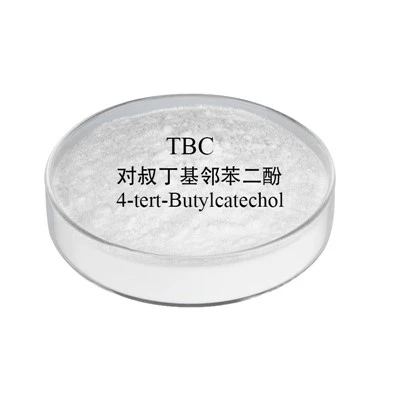
First, let’s keep it simple: amines are organic compounds with nitrogen in their structure—think of them like cousins to ammonia, but way more food-friendly. And no, they’re not the same as the “amines” you might hear about in spoiled fish (that’s biogenic amines, which are a whole separate thing we actually work to control, not use). We supply amines that are food-grade, meaning they meet strict safety rules to be used in everything from baked goods to beverages. Let’s start with one of the biggest uses: flavor and fragrance. Ever wondered why cheese gets that sharp, tangy smell? Or why cured meat has that savory, umami kick? Amines are behind a lot of those natural flavor compounds, but they’re also used to duplicate consistent flavors when natural sources are inconsistent. For example, dimethylamine is a big one here—it’s used to make cheeses like blue cheese have that distinct, pungent aroma, and it also plays a role in making bacon’s smoky, savory flavor that sticks around.
Wait, but flavor isn’t just about smell—texture matters too, right? Let’s talk about emulsifiers, which are basically the unsung heroes of processed foods. You know when you mix oil and water, they separate fast? Emulsifiers stop that. A lot of the best food emulsifiers are amine-based. Take mono- and diglycerides, but wait—no, we’re talking amines here. Our team supplies food-grade lecithin modified with amines? No, wait, more directly: alkylamines are used to make emulsifiers for salad dressings, ice cream, and even baked goods. For ice cream, emulsifiers keep the ice crystals small, so it’s smooth not icy. For cake mixes, they make sure the batter mixes evenly, no clumpy pockets, and the cake rises consistently every time. I’ve had so many bakery clients tell me before they started working with our amine-based emulsifiers, their batches were all over the place—one day the cake was dense, the next it was too runny. Now? They’re spot-on, no waste. That’s the kind of real impact you don’t hear about in food documentaries, but it’s what keeps small bakeries turning a profit.
Next up, food preservation. This is where I get excited—because food waste is such a huge problem, and amines help cut that down. Biogenic amines are the bad ones from spoiled food, but our food-grade amines act as preservatives to stop bacteria and mold from growing. For example, ethylenediaminetetraacetic acid (EDTA)? Wait, EDTA is a chelating agent, and it’s an amine derivative. It works by binding to metal ions in food that bacteria love—without those metals, bacteria can’t multiply. So EDTA is used in canned vegetables, salad dressings, and even some canned meats to keep them fresh for months without adding weird, artificial preservatives. A lot of people don’t realize that natural preservatives are often amine-based too—like spermidine, which is found in small amounts in fruits and veggies, but we also supply it as a food additive to extend shelf life for fresh-cut produce, like pre-washed spinach. I’ve worked with a bunch of produce distributors who used to throw out 20% of their pre-cut spinach because it would go slimy after 3 days. Now, using our spermidine-based treatments, that time doubles—so less waste, more spinach on shelves, more money for everyone.
Let’s not forget about nutrition—especially with the rise of plant-based foods. Plant-based protein bars, meat substitutes, even fortified cereals rely on amines to make nutrients usable. For example, amino acids are a type of amine, right? And amino acids are the building blocks of protein. We supply food-grade amino acids like lysine and methionine that are added to plant-based products to make them complete proteins. A lot of plant-based foods are missing one or two essential amino acids, so adding these amine-based supplements makes them as good as meat or dairy. That’s a big deal for people who don’t eat animal products, or for people who need extra protein—like athletes, or kids who need to grow. I once had a client who makes protein bars for kids’ school programs, and they told me before they added our lysine, parents were complaining that the bars “didn’t fill their kids up” for lunch. After adding it? Kids stayed full longer, the school saw less snacking during class, and parents were relieved. That’s the kind of small, daily difference that amines make.
Wait, what about beverages? Let’s think about soda, energy drinks, even wine. Amines are used in pH regulation for drinks, which is super important for taste and stability. For example, triethylamine is used to adjust the pH of some fruit juices, making sure the tartness isn’t too sharp, and the flavor is balanced. For energy drinks, it’s used to make sure the caffeine doesn’t clump up with other ingredients, so the drink is smooth, not gritty. Even craft brewers use small amounts of food-grade amines to adjust the pH of their beer, which affects the foam head and the clarity of the beer. I’ve had a craft brewery client tell me that before they started using our amine-based pH adjusters, their beer would sometimes be cloudy, and the foam would disappear 2 minutes after pouring. Now, their beer is crystal clear, foam lasts the whole pint, and they’ve seen a jump in sales at local pubs. That’s not just chemistry—that’s business, for small and large food companies alike.
Now, let’s get real about safety. A lot of folks ask me: “Amines in food? That can’t be good, right?” But here’s the key: we only supply food-grade amines that are approved by organizations like the FDA, EFSA, and FSANZ. We don’t cut corners—every batch we send out is tested to make sure it meets strict purity standards, no harmful contaminants. And we work closely with our clients to make sure they’re using the right amount, because like anything, too much of a good thing can be bad. For example, using too much of a certain amine-based flavor can make food taste bitter, so we provide clear usage guidelines, and our technical team is always on call to help troubleshoot. That’s the difference between us and random chemical suppliers—we’re not just selling a product, we’re a partner.
I also want to touch on a trend that’s been huge lately: clean label. A lot of consumers want ingredients they can pronounce, and amines are actually way easier to explain than some of the weird chemicals on labels. For example, EDTA is sometimes called “calcium disodium EDTA” on labels, but it’s a natural derivative of amino acids—so it’s not some synthetic chemical made in a lab out of nowhere. And as more consumers get curious about what’s in their food, we’re seeing more food companies reach out for amine-based ingredients that are clean-label compliant. It’s been cool to watch that shift—from food companies hiding their ingredients to being transparent, and amines are right in the middle of that.
Let’s talk about a use that’s a little more behind the scenes: food packaging. Wait, packaging? You didn’t see that coming, right? Amines are used to make packaging materials that keep food fresh longer. For example, polyamide plastics (nylon, basically) are amine-based, and they’re used in food packaging because they’re strong, flexible, and keep oxygen and moisture out. That’s why your bag of chips doesn’t get stale, and your frozen dinner stays frozen for months. Without these amine-based packaging materials, food would go bad way faster—so that’s another big way amines contribute to less food waste. I work with packaging manufacturers too, not just food companies—because the right packaging makes all the difference, and amines are key there.
Now, let’s wrap this up, because I know I’ve thrown a lot at you. Let’s recap: amines in food aren’t just lab chemicals—they’re emulsifiers, preservatives, flavorings, pH adjusters, and even packaging materials. They reduce food waste, make food taste better, keep nutrients intact, and support everything from small bakeries to big food brands. And as a supplier of Amides & Amines, that’s why I love what I do: it’s not just about selling chemicals, it’s about helping people make better food, reduce waste, and feed more people.
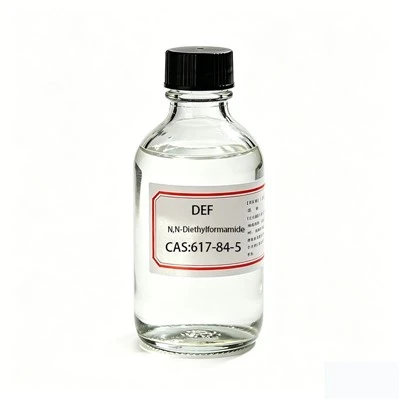
But here’s the thing: I can’t do this alone. A lot of food companies, especially small ones, don’t know how to get started with amine-based ingredients, or they’re worried about cost, or safety. That’s where we come in. We work with companies of all sizes—from startup snack brands to international food distributors—to find the right amine products for their needs. We test batches, provide technical support, and make sure everything is compliant with food safety rules. If you’re a food manufacturer, a bakery, a produce distributor, or anyone who makes or sells food and is looking to improve shelf life, flavor, texture, or nutrition, we can help. We’re here to answer questions, troubleshoot, and find the right fit for your business. Don’t be shy to reach out—even if you’re not sure exactly what you need, just tell us what you’re working on, and we’ll point you in the right direction.
Esters References:
- Institute of Food Technologists. (2021). Food Additives and Ingredients: Safety, Functionality, and Applications. IFT Press.
- EFSA Panel on Food Additives and Flavourings (FAF). (2020). Safety assessment of amino acids used as food additives. EFSA Journal, 18(11), 6247.
- U.S. Food and Drug Administration. (2022). GRAS Notices for Amine-Based Food Ingredients. FDA Center for Food Safety and Applied Nutrition.
- Food and Agriculture Organization of the United Nations. (2019). Reducing Food Waste Through Improved Food Preservation Technologies. FAO Technical Paper.
- Journal of Food Science. (2021). Emulsifier Functionality in Plant-Based Meat Alternatives. Vol. 86, No. 7, 2891-2905.
Shandong Xima Supply Chain Management Co., Ltd.
As one of the most professional amides & amines manufacturers in China, we offer a wide range of products with superior quality. Please feel free to buy bulk amides & amines in stock here and get free sample from our factory. We also accept customized orders.
Address: No. 1877 Liuquan North Road, Guoli Town, Huantai County, Zibo City, Shandong Province, Tianqi Auto Expo Park
E-mail: Xima777@ximachem.com
WebSite: https://www.ximachemical.com/
