When I first started in the aluminum system windows supply business, I used to think selecting an aluminum alloy was just about picking the cheapest option that fit the design. That changed fast when a client came to me after a year, complaining their office building’s windows had warped in the summer heat and corroded along the coastal shoreline. It turned out we’d used a generic alloy without checking the site’s unique conditions, and fixing it cost them way more than investing in the right material upfront. Now, every time a new project comes in—whether it’s a coastal apartment complex, a mountain-side ski lodge, or a downtown retail space—we start with alloy selection, not just design. If you’re in the market for system windows, here’s what I’ve learned over 12 years of working with aluminum alloys, so you don’t make the same mistakes I did early on. Aluminum System Windows
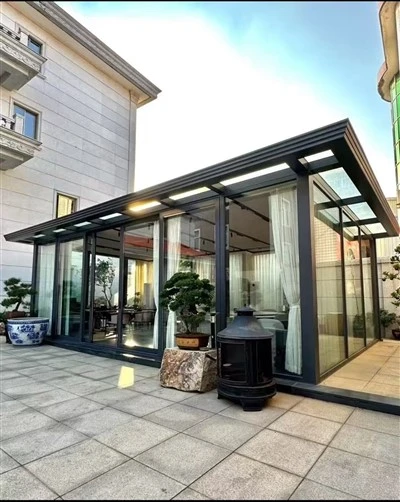
First, let’s cut through the industry jargon. “Aluminum alloy” just means pure aluminum mixed with small amounts of other metals—like copper, magnesium, or silicon—to boost specific properties. Pure aluminum is soft and easy to shape, but mixing it gives it the strength, durability, and weather resistance you need for windows. The key is matching that mix to where the windows will live, not just what looks good on the plans. I’ve seen this play out most clearly between two of the most common alloys we use in system windows: 6061 and 6063. These are the workhorses of the industry, but they behave very differently depending on the environment.
6063 is the go-to for most standard residential and light commercial projects. It’s lightweight, easy to extrude into the sleek, thin frames people love, and has great surface finish—perfect if you want a modern window that doesn’t look bulky. Its magnesium and silicon content makes it strong enough for typical conditions, like a suburban neighborhood that doesn’t get extreme weather. But here’s the catch: 6063 has lower corrosion resistance than other alloys, especially in high-salt or high-pollution areas. Last year, we did a project in a coastal town 3 years after the first bad client, and we used 6063 for their storefront windows. By month 24, they called saying white corrosion spots were popping up along the frame edges. We had to redo 12 windows under warranty, which ate into our profit but taught us a hard lesson about where 6063 works—and where it doesn’t.
That brings me to 6061, the workhorse for heavier-duty projects. This alloy has more magnesium and a touch of copper, so it’s much stronger than 6063. It can handle higher wind loads, which is non-negotiable for hurricane zones or high-rise buildings where windows have to withstand strong gusts and pressure changes. It’s also way more corrosion-resistant, which is why we now exclusively use it for coastal and industrial projects. I recently worked on a new development in Miami, where the building is 10 stories up and blocks away from the Atlantic Ocean. We specified 6061 for all the system windows, and the architect was worried it would look bulkier than 6063. We adjusted the frame design to thin the profiles where possible, and the final look matched their vision while giving them the strength and corrosion protection they needed. They just did a final inspection last month and said the windows held up perfectly during hurricane season’s early storms.
But wait—there’s more than just 6061 and 6063. Depending on your project, you might need something even more specialized. Let’s talk about 7075, though it’s less common because it’s more expensive and harder to extrude. We only reach for 7075 for projects with extreme requirements, like aerospace-grade commercial buildings or areas that get very heavy snow loads. Its zinc content makes it the strongest aluminum alloy in our standard lineup, so it won’t bend or warp under the weight of 5 feet of snow in a mountain town. A few years back, we supplied windows for a lodge in Colorado that got 12 feet of snow one winter. The owner said their windows didn’t budge, while the neighboring building’s cheaper 6063 windows had to be propped open because the frames had shifted. That’s the kind of performance that makes the extra cost of specialized alloys worth it.
Now, before you grab any alloy, you need to factor in three non-negotiable site-specific factors that will make or break your window’s lifespan. I can’t stress this enough—every project is different, and ignoring these will lead to headaches down the line.
First is climate and environmental exposure. Let’s break this down: if your building is within 1 mile of the coast, salt air is your enemy. It’s like acid for aluminum, eating away at the surface and causing corrosion that weakens the frames over time. In these cases, you can’t use standard 6063—you need at minimum 6061, and even then, we add a powder coat or anodized finish as an extra layer of protection. For industrial areas near factories or busy highways with high levels of pollutants, the same rule applies: standard alloys will corrode faster, so opt for corrosion-resistant grades. If you’re in a hot, sunny area like Arizona or Florida, ultra-violet (UV) radiation is a factor. Cheap alloys will fade or become brittle over years of sun exposure, so look for alloys that are formulated to retain their tensile strength when exposed to high heat and UV. We recently did a project in Phoenix and used a heat-treated 6061 alloy for the windows—two years later, the frames still look as good as the day they were installed, no fading or warping.
Second is structural load requirements. This is a big one for high-rises, large windows, or buildings in severe weather zones. The higher the building, the more wind pressure acts on the windows. For a 20-story building, each floor adds more pressure at the top, so the windows need a strong alloy that can handle that without bending. For residential projects with large floor-to-ceiling windows, you also need an alloy with good tensile strength to support the wide frame spans without sagging. A few months back, a homeowner called us upset because their custom windows had started to bow in the middle after 18 months. We found out the window company had used a cheap 6063 alloy meant for small windows on a 8-foot-wide unit—way beyond its load capacity. Replacing them with 6061 fixed the problem, but the homeowner had to pay for removal and installation, which could have been avoided with the right alloy selection. Always ask for the wind load rating for your area, and match that to the alloy’s specified load capacity.
Third is cost and project timeline. I know price is a big factor for most clients, and I’m not going to tell you to blow your budget on the most expensive alloy. But I will tell you that cutting corners here will cost you more in the long run. Let’s say you have a suburban home with no extreme weather—6063 is perfect, it’s cheaper, and it will last 20+ years with proper finishing. If you try to use 6061 on that project, you’re wasting money because you don’t need its extra strength. On the flip side, using 6063 on a coastal hotel will cost you in repairs and replacements in just a few years. We always give clients a breakdown: what alloy works for their site, what the pros and cons are, and what the total cost will be over 10 years, not just the upfront price. As for timeline, some specialized alloys take longer to extrude because they’re harder to shape. If you’re on a tight schedule, we can adjust the alloy type to keep production on track without sacrificing performance.
Wait—there’s one more thing I see clients skip all the time: finish matching. The alloy is only half the equation—how you finish it will affect its durability and look. For example, if you pick 6061 for a coastal project, a basic powder coat will give you good protection, but a hard anodized finish will make it even more corrosion-resistant, though it’s slightly more expensive. We always advise clients to pair the alloy with the right finish for their environment. A matte powder coat looks great for residential projects, but for industrial buildings, a thicker polyester powder coat holds up better against chemicals and abrasion. I had a client last year who wanted a glossy white finish for their coastal apartment. We paired their 6061 alloy with a UV-stabilized powder coat, and they’ve had no issues with chipping or fading, even after a full year of salt air exposure.
Let me share a quick story to drive this home. A few months ago, a developer reached out to us with plans for a 15-story apartment building in a city about 5 miles from the ocean. They initially wanted us to use 6063 to keep costs down, since it’s cheaper. We pulled their site data: the city’s average wind load for high-rises that height was 180 mph, and the coastal air meant high salt exposure. We explained that 6063 wouldn’t be strong enough for the wind load or resistant enough for the salt, and suggested 6061 paired with a durable powder coat. They pushed back at first, saying another vendor quoted them 10% lower with 6063. We walked them through the numbers: the 6063 would need replacement in 8 years, costing them $120,000 in repairs and downtime for tenants, while the 6061 would last 25+ years with no major issues. They went with our suggestion, and last week, the general contractor sent us a note saying the windows are holding up perfectly during the construction phase, with no signs of corrosion or bending. That’s the kind of value we strive to bring—not just selling a product, but helping clients make the right choice that serves them long-term.
Now, when you’re evaluating suppliers like us, what should you ask? Don’t just take a sales rep’s word for it. Ask for the alloy certification—any reputable aluminum system windows supplier will have that, it’s the document that confirms the alloy’s chemical composition and properties. Ask about their experience with projects similar to yours: have they done work in your climate? Have they supplied windows for high-rise buildings, coastal projects, or whatever your project entails? And ask about the warranty—what does it cover, and for how long. A good alloy paired with proper installation should come with a 10+ year warranty on materials, at minimum.
I’ve been in this business long enough to know that window selection isn’t just about style or price. It’s about choosing a material that will stand up to where you put it. When my early client had that problem a decade ago, I learned that the hard way. Now, every time I help a client select an alloy, I take the time to walk through their site, their project requirements, and their long-term goals. That’s how we build trust, and how we make sure every window we supply works as hard as the building it’s in.
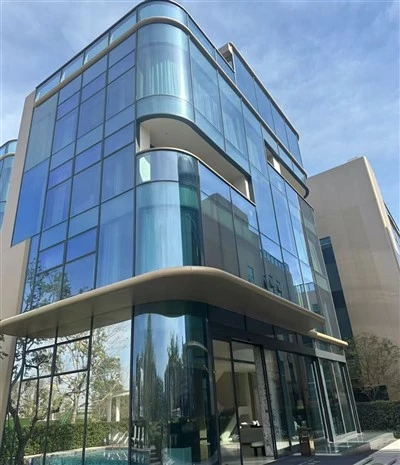
If you’re planning a new construction, renovation, or just replacing your old system windows, the last thing you want is to deal with warped frames or corrosion down the line. We’ve worked on projects small and large, from single-family homes to 20-story commercial buildings, and we can help you select the right aluminum alloy tailored to your specific site, budget, and needs. We don’t do one-size-fits-all, because we know every project is different. Reach out to us to discuss your project details, and we’ll walk you through the best alloy and window solutions that fit your requirements.
Building Curtain Wall References
- "Aluminum Alloys for Architectural Applications." Aluminum Association, 2022.
- "Corrosion Resistance of Aluminum Alloys in Coastal Environments." International Journal of Architectural Science, vol. 14, no. 3, 2021, pp. 189-197.
- "Wind Load Requirements for Building Envelopes." American Society of Civil Engineers (ASCE) 7-22, 2022.
- "Tensile Strength Properties of Aluminum Alloys for Extruded Window Frames." Journal of Architectural Engineering, vol. 27, no. 2, 2021, pp. 1-8.
Huangshan City Anxin Decoration Company
We are one of the most reliable aluminum system windows manufacturers and suppliers in China. With a professional production team, we are able to meet the needs of the majority of our customers. Please feel free to wholesale customized aluminum system windows made in China here from our factory. Contact us for more details.
Address: Donglinxi Town,Xiuning County,Huangshan City,Anhui Province
E-mail: 1002501553@qq.com
WebSite: https://www.anxinfacade.com/
