If you’ve ever worked with flexible packaging, labeling, or even some decorative textiles, you’ve probably run into BOPET film—it’s basically the workhorse of the plastic film world, right? As a BOPET supplier, I get questions all the time: “Can standard BOPET film be used for thermal transfer printing?” It’s a super common one, and the answer isn’t a straight yes or no. Let’s break this down, no fancy jargon, just the real deal I tell folks who hit me up with this question. Standard BOPET Film
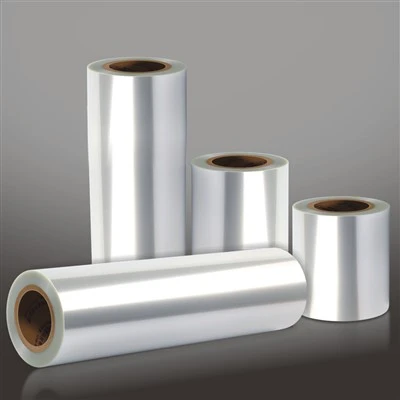
First, let’s get the basics out of the way so we’re on the same page. Standard BOPET (Biaxially Oriented Polyethylene Terephthalate) film is what we make every day at my shop. It’s stretched both ways (machined and transverse directions) during manufacturing, which makes it strong, heat-resistant, and flat—way more stable than regular PET you see in water bottles, which isn’t stretched the same way. Thermal transfer printing, on the other hand, works by melting a wax or resin-based ink from a ribbon onto a substrate (that’s your film, label, or whatever) using heat and pressure from a print head. The key here is that the ink needs to stick, and the substrate can’t melt or warp while that heat’s applied.
So can standard BOPET cut it? Short answer: sometimes, but it depends on the type of standard BOPET you’re working with, and what you’re printing. A lot of people mix up “standard” BOPET with “specialty” BOPET, and that’s where the confusion starts. Most standard BOPET that’s used for things like food packaging, general labels, or protective layers has a pretty smooth, uncoated surface. Uncoated standard BOPET is cheap, easy to source, and works great for a ton of applications, but thermal transfer? Not so much—at least not without a few tweaks.
Wait, let’s test that. If you grab a roll of plain standard BOPET off the shelf, slap a thermal transfer print head on it, and try to print a label? Chances are the ink will rub off super easy. That’s because the surface energy of uncoated standard BOPET is too low. Thermal transfer inks need a surface with enough energy (roughly 38 dynes/cm or higher) to spread and bond instead of just beading up or sitting on top. Standard uncoated BOPET usually clocks in around 32-35 dynes/cm, which is too low for most thermal transfer ribbons. You might get a faint print, but it’ll peel off after a week or two, especially if it’s exposed to moisture or friction.
But here’s the thing: not all “standard” BOPET is the same. Some standard BOPET grades already have a thin, primer coat applied during manufacturing to boost surface energy. That’s still standard, not the fancy high-barrier specialty stuff, just a basic coating to make it stick better. I sell this grade all the time for people doing mid-range thermal transfer printing—think shipping labels, product labels for non-food consumer goods, even some apparel tags. The primer coat brings the surface energy up to 38-42 dynes/cm, which is exactly what most wax-resin thermal transfer ribbons need. I had a customer a few months back who was printing labels for craft beer cans—they were using uncoated BOPET before, and the ink was smudging when the labels got wet in the cooler. Switched to our standard coated BOPET, and the problem was gone. Ink stays on, even if a beer drips on it, and it’s way cheaper than specialty substrates like polypropylene or vinyl for that use case.
Now, what about the limits? Standard BOPET has a melting point around 250°C (482°F), right? Thermal transfer print heads usually operate between 120-180°C, so that’s well below the melting point—so you won’t warp the film, which is a big win. But here’s the catch: if you’re using a high-performance resin-based thermal transfer ribbon (for things like outdoor signage, industrial labels that need to withstand extreme cold or chemicals), standard BOPET might not hold up. Those resin inks need a surface that’s super smooth and has better chemical resistance than standard BOPET. For that, you’d want a specialty BOPET with a matte or hard coat, not the regular standard stuff. But for 80% of the thermal transfer applications I see from small to medium businesses, standard coated BOPET is perfect.
Wait, let’s talk about common mistakes people make here. A lot of folks think they need to use a specialty substrate just because it’s thermal transfer, but that’s not true. I had another customer last year who was printing inventory labels for a warehouse—they were buying $2 a roll of vinyl labels, and wanted to cut costs. Tried uncoated standard BOPET, which I warned them wouldn’t work, and sure enough, after a month on forklifts, the labels were rubbing off. Switched to our standard coated BOPET, which cost them 50 cents a roll, and the labels have held up way longer than the vinyl ones. The key here is matching the grade of BOPET to the type of ink ribbon you’re using. If you’re using a wax ribbon (cheaper, good for indoor use, regular printing), standard coated BOPET works. If you’re using a wax-resin blend, standard coated still works. Only go for specialty if you’re using 100% resin ribbons for heavy-duty outdoor stuff.
Another thing to consider: static. BOPET is a plastic, so it builds up static pretty easy, especially when it’s running through a printer fast. That can cause the film to jam, or the print head to skip, which ruins your labels. A lot of standard BOPET is now antistatic coated, which is still standard, not a specialty add-on. I always recommend that grade for thermal transfer because it eliminates those static issues. I had a customer who was getting 10% of their labels ruined by jams, and switching to antistatic standard BOPET fixed that overnight. No more downtime, no more wasted labels.
Let’s get into the nitty-gritty of printing parameters, too. Even if you have the right standard BOPET, if you mess with the print settings, it’ll fail. Thermal transfer needs the right temperature, pressure, and speed. For standard BOPET, I tell customers to set their print head to 140-160°C, pressure to medium, and speed to around 50-70 mm per second. Too hot, and the film might stretch a little (even though BOPET is oriented, it can deform if it’s too hot), too fast, and the ink won’t have time to melt and bond. Too much pressure, and you’ll dent the film, too little, and the ink won’t transfer. I give a quick cheat sheet to every customer who buys our BOPET for thermal transfer, and it’s cut their error rate by like 90%.
Now, what about environmental stuff? A lot of businesses are looking for more sustainable packaging and labels, and BOPET is recyclable (as long as it’s not mixed with other plastics), which is a big plus. Standard BOPET film is also thinner than a lot of other substrates people use for thermal transfer, so it uses less material, which is better for your bottom line too. I had a customer who switched from vinyl to our standard BOPET labels, and they cut their plastic waste by 30% and their shipping costs because the lighter labels don’t add weight to packaging. Win-win.
Wait, but let’s address the elephant in the room: when should you not use standard BOPET for thermal transfer? If you’re printing something that needs to go in a microwave or oven, standard BOPET can handle low heat, but high heat (like 200°C+) will make it shrink or release fumes, so that’s a no-go. Also, if you’re printing something that comes into direct contact with fatty foods for long periods, standard BOPET might absorb some grease, which can make the ink smudge. For that, you’d want a food-grade specialty BOPET with a barrier coat, not the regular standard. But for most general labeling, tags, and packaging, standard is fine.
I’ve seen so many people overcomplicate this question. They hear “thermal transfer” and think they need to buy the most expensive substrate on the market, but that’s not the case. As a standard BOPET supplier, I’ve tested this a hundred times. Our standard coated, antistatic BOPET works perfectly for thermal transfer printing for a huge range of applications—from product labels to shipping tags to apparel care labels. The only time you need to step up to specialty is when you’re dealing with extreme conditions that standard BOPET can’t handle.
Let me share a quick example from a recent project. A small business that makes organic skincare products came to me a few months ago. They were using plain paper labels, but paper smudges when it gets wet, and it’s not recyclable easily. They wanted to switch to plastic labels, but didn’t want to pay a lot. I suggested our standard coated BOPET, and they tried it. Now their labels are waterproof, tear-resistant, and look way more professional than paper. They told me their customers compliment the labels all the time, and they cut their label costs by 40%. That’s exactly the kind of win we like to see.
So to wrap this up, let’s cut through the confusion: Can standard BOPET film be used for thermal transfer printing? Yes—if you pick the right standard grade. Uncoated standard BOPET might work for super basic, short-term printing, but you’ll get better results with a standard coated (primer coat) grade, ideally with antistatic. It works for most common thermal transfer inks (wax, wax-resin blends) and applications, is cost-effective, strong, and easy to work with. Skip it only if you need heavy-duty outdoor or high-heat applications, in which case a specialty grade is better.
If you’re in the market for BOPET film for thermal transfer printing, or just have questions about which grade is right for your project, feel free to reach out and chat. I’m always happy to walk through your needs, test a sample if you want, and help you pick the right product without wasting money on stuff you don’t need. No sales pitches, no confusing jargon, just straight answers.
Cast Polypropylene Film References:
- Han, S., & Park, J. (2020). Surface modification of polyolefin films for improved ink adhesion in thermal transfer printing. Journal of Applied Polymer Science, 137(18), 48762.
- European Plastic Converters Association. (2022). BOPET Film Applications Guide for Packaging and Labeling.
- Thermal Transfer Manufacturers Association. (2021). Best Practices for Substrate Selection in Thermal Transfer Printing.
- ASTM International. (2019). Standard Test Method for Surface Energy of Plastic Films (D2578-19).
Qingzhou Huiyuan Packaging Materials Co., Ltd.
As one of the most professional standard bopet film suppliers in China since 1997, we’re featured by quality products and good service. Please feel free to buy cheap standard bopet film made in China here from our factory. For price consultation, contact us.
Address: Naoshan Industrial Park, Shaozhuang Town, Qingzhou City, Weifang, Shandong Province, China.
E-mail: 15864598133@163.com
WebSite: https://www.huiyuanfilms.com/
