If you’ve ever walked a construction site at dusk, when the last crane is shut down and the last worker has clocked out, you’ve probably glanced at the piles of expensive tools, raw materials, and heavy equipment left out in the open. Maybe you’ve even heard the quiet anxiety in a site foreman’s voice when they talk about lost power tools, stolen steel rebar, or damaged generators—losses that can derail timelines, blow budgets, and put entire projects at risk. That’s where a mobile vault for construction sites comes in, and if you’re tired of patchwork security solutions that don’t work as hard as your team does, it’s time to stop settling for “good enough.” Mobile Vaults
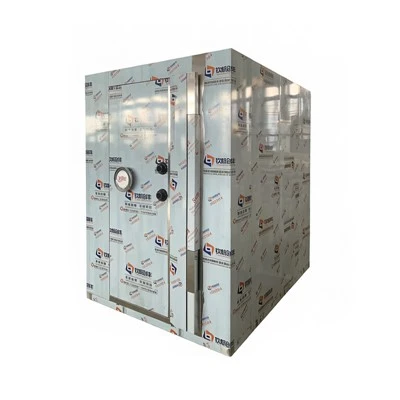
Let’s start with the basics, because a lot of people still mix up mobile vaults with generic storage containers or the portable safes you’d keep in a home. A mobile vault is a purpose-built, relocatable secure storage unit designed exclusively for the unique demands of construction sites. Unlike standard shipping containers, which are thin-walled, easy to breach, and not built to withstand the rough and tumble of a worksite, a mobile vault is engineered from heavy-duty, fire-resistant steel, with reinforced locking mechanisms that aren’t just padlocks—they’re high-security, anti-theft systems that can’t be cut with bolt cutters or pried open with basic tools. They’re also weather-sealed, so rain, dust, and extreme temperatures don’t ruin sensitive tools like laser levels, power drills, or hydraulic equipment, which is a huge win because construction gear can cost thousands of dollars to replace.
But here’s what makes a mobile vault different from every other security option out there: mobility. Construction sites aren’t static. One week you’re excavating a foundation at the edge of a housing development, the next you’re framing the upper floors 500 feet away, and by the end of the project, you’re moving to a completely new location. Traditional secure storage requires you to either hire a truck to haul individual tools back to a distant warehouse every night (which wastes time and money) or leave them out, crossing your fingers. A mobile vault mounts to a standard flatbed trailer or even a forklift, so you can move it in minutes, no heavy lifting or specialized equipment required. That means your high-value assets stay with you, no matter where the site shifts, instead of being left behind or transported at extra cost.
Let’s break down what a mobile vault is made of, because the science behind it is what sets it apart from flimsy alternatives. The outer shell is usually 10-gauge steel, thicker than the walls of most shipping containers, with a corrosion-resistant coating that stands up to the dust, mud, and salt air common in construction zones. The door is a double-walled steel design, with a deadbolt locking system that has multiple locking points around the frame—so even if someone tries to jam a tool between the door and the frame, they can’t get leverage to break in. Inside, you can customize the layout: some clients add adjustable shelves for small parts like nails or screws, others have built-in racks for power tools, and many include tie-down points to secure heavy equipment like generators or air compressors. They also come with optional features like interior lighting, so your team can grab a tool before dawn or after dark, and even GPS tracking, so you always know exactly where your vault is (a lifesaver if a site is large, or if multiple projects share equipment).
Now, let’s talk about why construction sites need this specifically, because generic security tools don’t address the unique risks of the job. Construction sites are prime targets for theft: tools and raw materials are easy to resell on secondhand markets, and a single stolen jackhammer can cost $1,000 or more. According to the National Equipment Register, theft of construction equipment and tools costs the U.S. construction industry over $300 million every year, and that’s not even counting hidden costs: delayed timelines from waiting for replacement gear, lost productivity when workers can’t do their jobs, and insurance premiums that go up after a theft. A mobile vault cuts that risk drastically because it’s designed to deter even experienced thieves. Unlike a standard storage container, which you can break into in minutes with a crowbar, a mobile vault’s locking system is built to resist forced entry for hours, enough time for security patrols to respond or for the thief to give up.
Another big issue at construction sites is weather damage. A sudden summer thunderstorm can flood a standard storage container, ruining power tools that aren’t waterproof, or dust can scratch the lenses of laser measuring devices, leading to costly mistakes on the job. Mobile vaults are fully weather-sealed, with rubber gaskets around the door and seams that keep out water, dust, and even extreme cold or heat. That means your gear stays in working condition, no matter what the forecast throws at you. We’ve had clients tell us that before switching to mobile vaults, they’d lose an average of two laser levels a year to weather or theft; after using our units, that number dropped to zero in 18 months. That’s not just a win for security—it’s a win for your bottom line.
Let’s also clear up a common misconception: a mobile vault isn’t just for storing tools overnight. Many construction sites use them for temporary secure storage during the day, too. If you’re working on a project where you need to keep high-value materials like copper wiring or rebar safe from subcontractors who might “borrow” items without permission, a mobile vault can be accessed only by the site foreman or a designated team lead, so you always know who took what, and when. Some models even have digital access logs, so you can track every entry and exit, which is a huge help for project accounting and liability.
Now, let’s compare mobile vaults to other options on the market, so you can see why they’re a better investment in the long run. First, there’s the option of leaving tools out on the site. That’s the cheapest option, but as we mentioned, it’s also the riskiest—80% of construction site thefts happen from unsecured locations, according to the Associated General Contractors of America, so that’s not a bet you want to make. Then there’s renting off-site storage. That’s a common workaround, but it comes with hidden costs: transportation fees to haul tools to and from the storage unit every day, extra time spent loading and unloading, and the risk of damage during transport. For a mid-sized construction project, that can add up to $5,000 or more in extra costs per project. A mobile vault eliminates those fees, because you keep your assets on-site, and you only move them when you need to, no extra transport required.
Then there are portable safes. Small, lockable safes might work for a single tool, but they don’t have the capacity for a full set of tools, and they’re not built to move around a site. If you’re a general contractor with a crew of 10, you need a storage solution that can hold all your gear, and portable safes are too small and too fragile for that. Mobile vaults come in sizes from 8 feet to 20 feet, so you can choose the right size for your crew and your project.
Another option is a steel storage container, but as we mentioned earlier, they’re not built for security. A 20-foot shipping container costs about $1,500, but a thief can cut through the corrugated steel wall with a plasma cutter in minutes. A mobile vault costs more upfront, but it’s built to resist that kind of attack, and it’s more durable overall—shipping containers rust after a few years on a construction site, but mobile vaults have a powder-coated finish that stands up to scratches and corrosion, so they last for 10+ projects. When you add up the cost of replacing stolen tools, delayed timelines, and damaged gear, a mobile vault pays for itself in a matter of months.
Let’s talk about customization, too, because no two construction sites are the same. A residential remodeling crew has different needs than a large commercial development project, so mobile vaults can be tailored to fit those needs. For example, if you’re working on a road construction project, you might need a vault that’s built to hold heavy equipment like road rollers, so we can add reinforced floors and extra tie-down points. If you’re working on a sensitive project like a hospital or school, you might want a vault with biometric access, so only authorized personnel can get inside, and we can install that too. We also offer add-on features like solar-powered lighting for sites without electricity, or security cameras that sync with your site’s existing monitoring system, so you can keep an eye on your vault even when you’re not there.
Now, let’s get real about the day-to-day use of a mobile vault, because it should make your life easier, not more complicated. When you arrive at the site in the morning, you just unlock the vault, pull out the tools your crew needs, and go to work. At the end of the day, you lock everything back up, and you don’t have to worry about anything until the next shift. If the site moves, you hire a standard flatbed trailer (most of our clients already have access to one) and hook the vault up—no special permits, no specialized equipment, just a couple of bolts and a tow truck, and you’re ready to move. That’s a huge time saver for site managers, who are already juggling a dozen tasks at once.
We’ve heard so many stories from clients that highlight the difference a mobile vault makes. One of our clients is a general contractor in the Midwest who does residential construction projects. He told us that before he started using mobile vaults, he’d lose an average of three power tools per project—drills, circular saws, nail guns—totaling about $1,200 per project. After switching to our vaults, he hasn’t lost a single tool in two years. Another client is a commercial construction firm on the West Coast, working on a 10-story office building. They needed to move their vault every two weeks as they framed each floor, and they told us that the time they saved not loading and unloading tools every night was equal to one full worker’s shift per week—saving them over $20,000 in labor costs over the course of the project. Those are the kinds of results that matter, not just the technical specs of the unit.
Now, let’s address a question we hear all the time: is a mobile vault worth the cost upfront? Let’s do a quick breakdown. A basic 10-foot mobile vault costs about $3,500, and a 20-foot unit is about $6,500. Compare that to the cost of a single stolen jackhammer ($1,200) and two stolen drills ($200 each), which is $1,600—just a quarter of the cost of a 20-foot vault. If you lose one set of tools per project, the vault pays for itself in one go. And if you factor in the hidden costs: delayed timelines, insurance increases, labor wasted waiting for tools, that’s even more money you’re saving. We also offer flexible rental options, so if you’re on a short-term project and don’t want to buy, you can rent a mobile vault for a few weeks or months, which is often cheaper than renting a storage unit and paying for daily transport.
Another benefit we don’t talk about enough: compliance. Many construction projects, especially public ones, require you to have secure storage for tools and materials. Using a mobile vault means you’re meeting those requirements, which can help you win bids and avoid fines from project managers or regulatory bodies. If you’re audited, you have a clear, secure system for storing assets, which is a big plus for your company’s reputation.
So, if you’re still using unsecured storage, renting off-site storage, or relying on old, flimsy containers, it’s time to make the switch to a mobile vault. It’s not just a security solution—it’s a way to protect your investment, save time, and keep your project on track. At the end of the day, your tools are your most valuable asset, and you need a storage solution that works as hard as your crew. A mobile vault doesn’t just keep your gear safe—it gives you peace of mind, so you can focus on what you do best: building.
If you’re ready to explore how a mobile vault can fit your construction project, we’re here to help. Whether you’re managing a small residential build or a large commercial development, we can work with you to find the right size, features, and pricing that meets your needs. Reach out to our team to discuss your project details, and we’ll walk you through all your options, answer any questions you have, and help you get set up with a mobile vault that works for you.
Cash Vaults References
National Equipment Register. (2022). Construction Equipment Theft Report.
Associated General Contractors of America. (2023). Site Security Best Practices for Construction Projects.
Construction Dive. (2021). The Hidden Costs of Unsecured Tool Storage on Worksites.
Hebei Xinrui Intelligent Technology Development Group Co., Ltd.
With abundant experience, we are one of the most professional mobile vaults manufacturers and suppliers in China. We warmly welcome you to buy high quality mobile vaults at competitive price from our factory. If you have any enquiry about customized service, please feel free to email us.
Address: No.1, Building B, Intelligent Security Industry Park, Economic Development Zone, Wuyi County, Hengshui City, Hebei Province
E-mail: shinraysafe@163.com
WebSite: https://www.shinraysafe.com/
