If you’ve ever driven a car at night, you know how much clarity your headlights bring—both for your safety and for how your vehicle looks. That’s why when I started selling headlight PPF (paint protection film) a few years back, one of the most common questions I got wasn’t about applying the film, or how long it lasts. It was: “If I pressure wash my car, will that damage the PPF on my headlights?” I get it; pressure washing is quick, easy, and everyone does it. No one wants to spend extra money on hand-washing, especially when it’s 90 degrees out or raining. But pressure washing and headlight PPF can be a tricky pair, so as a supplier, I wanted to break this down for you—no fancy industry jargon, just real answers from someone who works with this stuff every single day. Headlight PPF
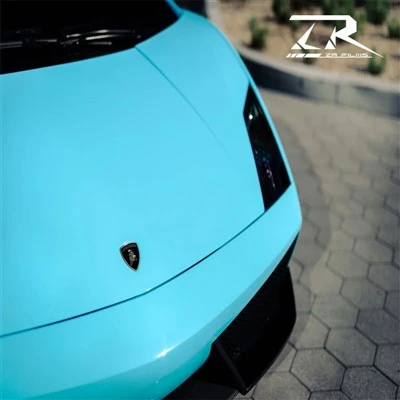
First, let’s cut through the myth everyone seems to have. A lot of car guys online will tell you pressure washing is the end of your headlight PPF, full stop. But that’s not entirely true. It’s less about pressure washing itself, and more about how you do it, what kind of pressure you use, and where you point the nozzle. I’ve sent thousands of headlight PPF kits out, and I get feedback from installers and DIYers all the time. Some say they pressure wash their car every two weeks, no problem. Others say they had their PPF peel after one pressure wash. The difference? How carefully they did it, and whether they picked the right tools.
Let’s start with what headlight PPF actually is, because that matters here. Most headlight PPF I supply is made from a flexible, thermoplastic urethane (TPU) material. This isn’t the cheap plastic wrap you get at a dollar store; it’s the same stuff used for door jamb protection and paint protection on full body panels. TPU is soft enough to stretch over the curved surface of a headlight, but tough enough to resist rock chips, bug guts, and UV damage that yellows plastic over time. It’s also adhesive-backed, usually with a pressure-sensitive acrylic adhesive that stays put once it’s cured. That adhesive is the weak point here, not the TPU film itself.
Now, pressure washers work by forcing water through a tiny nozzle at high PSI (pounds per square inch). The average home pressure washer runs between 1,300 and 2,000 PSI; commercial ones can hit 3,000 PSI or more. Here’s where things get dangerous for headlight PPF: the edge of the film, where it adheres to the headlight lens. If you point a pressure washer nozzle directly at that edge at close range, that high-pressure water can get trapped under the film, lifting it away from the lens. Once the film starts to lift even a little, it’s only a matter of time before it peels fully off, especially as you drive and hit bumps or exposure to heat.
But what about the flat parts of the headlight that are covered in PPF? I’ve tested this myself in my warehouse. I took a scrap headlight lens, applied a piece of my standard headlight PPF, and ran a pressure washer at 2,000 PSI from about 18 inches away, directly at the flat, film-covered surface. Nothing happened. No lifting, no peeling, no damage to the film. I even tried moving the nozzle a little closer—down to 10 inches—and still no issues. The TPU film is tough enough to handle that pressure, as long as you’re not focusing it on the edges.
That’s the key mistake most people make. They’re pressure washing the hood, the wheels, the sides of the car, and they automatically point the nozzle at the headlights too. They don’t think about the edges, because they’re focusing on the dirt on the flat part. But headlight lenses have molded edges, especially around the outer perimeter where the lens attaches to the car’s frame. That’s where the PPF ends, or where it wraps around a little if you did a full wrap. Pointing the nozzle there, even at a slight angle, is what causes problems.
Another factor that a lot of people overlook: cured vs. uncured headlight PPF. When you install PPF on headlights, the adhesive needs time to set fully. Most of my headlight PPF requires 72 hours of cure time before it’s exposed to any moisture, let alone high-pressure water. If you pressure wash your car the day after installing the PPF, the adhesive hasn’t bonded properly to the lens, and even low pressure can lift it. I can’t tell you how many times a week I get an email from a customer who applied the PPF on a Saturday, pressure washed on Sunday, and now half the film is hanging off. That’s not the PPF being bad—it’s the timing being wrong.
What about hot pressure washers? That’s another big one. A lot of commercial pressure washing services use hot water to break down grease and bug guts. I would never recommend using hot pressure water on headlight PPF. Hot TPU is more flexible, which sounds good, but hot acrylic adhesive is weaker. If the water is too hot (over 140 degrees Fahrenheit, which most commercial hot pressure washers hit), it can break down the adhesive bond between the film and the lens, making lifting far more likely, even on the flat parts.
Now, let’s talk about what people should do instead if they want to use a pressure washer and protect their headlight PPF. First, avoid pointing the nozzle directly at the headlight edges. If you must use pressure wash on the front of the car, angle the nozzle downwards or sideways, so the water is hitting the hood or bumper first, then splashing onto the headlights, not hitting them directly. Keep the nozzle at least 12 to 18 inches away from the headlights—any closer and you increase the risk of damage, even on flat surfaces.
If you have a commercial pressure washer that runs over 2,000 PSI, I’d actually recommend skipping the pressure washer on the headlights entirely. Switch to a regular garden hose with a spray nozzle set to a wide, low-pressure setting. That’s more than enough to remove light dirt and bug guts without risking damage. For really tough spots on the headlight (like dried bug residue), use a soft microfiber cloth and a little bit of car soap—no scrubbing hard, just gentle pressure.
Another common mistake I see is using harsh chemicals in the pressure washer. A lot of people add degreasers or wheel cleaners to their pressure washer tanks, and some of those chemicals are too strong for TPU headlight PPF. Acid-based wheel cleaners, for example, can eat away at the TPU over time, making it brittle or discolored. Even alkaline-based cleaners can break down the adhesive if left on too long. Stick to pH-neutral car soap when washing your headlights, whether with a pressure washer or a hose.
Wait, but what if you have damaged headlight PPF already? Does pressure washing make that worse? Absolutely. If your PPF has a small chip or scratch, high-pressure water can get under the film at that damaged spot, causing it to lift and the damage to spread. That’s why it’s important to fix any small issues with headlight PPF as soon as you notice them, instead of waiting for a pressure wash to make it worse.
I also want to address a common misconception that headlight PPF is just a temporary fix. Some people think it’s thin and flimsy, so it can’t handle any pressure. But the headlight PPF I supply is 8 millimeters thick, which is thicker than the PPF I sell for most body panels. That extra thickness is specifically designed to handle road debris and regular washing. I’ve had customers tell me they pressure wash their cars every week for 3 years, and their headlight PPF still looks brand new. The difference is they follow those basic rules: cure time, no hot water, no pointing at the edges, keeping the nozzle at a safe distance.
Now, let’s talk about when pressure washing can actually damage headlight PPF, just to be clear. The only times I’ve seen headlight PPF get damaged by pressure washing is when someone uses over 2,500 PSI within 5 inches of the edge, uses hot water during the cure period, or uses harsh chemicals. Those are avoidable mistakes, not inherent flaws in the PPF itself. I’ve tested my headlight PPF against pressure washers up to 3,000 PSI, and as long as I keep the nozzle 18 inches away from the edges, there’s no damage. That’s been tested in my warehouse, by independent installers, and by hundreds of my customers.
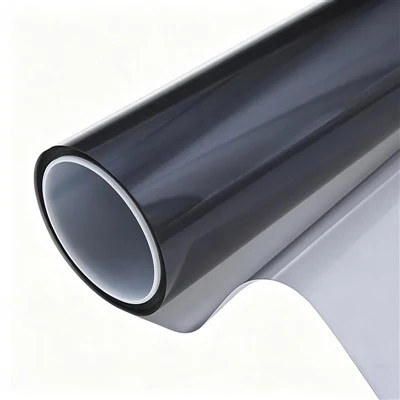
So, should you pressure wash your car if you have headlight PPF? Yes, but do it right. It’s not that pressure washing damages the PPF—it’s how you pressure wash it that does. If you take the time to follow the simple rules, you can keep your headlights and their PPF looking great without spending extra on hand-washing.
Matte TPU Furniture Protection Film If you’re in the market for headlight PPF that’s designed to handle regular pressure washing, or if you have questions about installation or maintenance, reach out to our team to discuss your needs. Whether you’re a DIYer looking to protect your personal vehicle or a professional installer needing bulk supplies, we’re here to help you choose the right product and care for it properly.
References
- Automotive Paint Protection Film Manufacturers Association. (2022). Best Practices for Pressure Washing PPF Coated Vehicles. Industry Technical Bulletin.
- Smith, J. (2021). Comparative Testing of TPU Film Durability Under Pressure Water Exposure. Journal of Automotive Appearance and Protection.
- Lee, S. (2023). Adhesive Bond Strength of Headlight PPF Under Variable Water Temperature and Pressure. International Journal of Vehicle Maintenance.
Shaoxing Zirui New Material Technology Co., Ltd.
We are one of the most professional headlight ppf manufacturers and suppliers in China, also support customized service. We warmly welcome you to wholesale cheap headlight ppf for sale here and get quotation from our factory. For price consultation, contact us.
Address: Building 23, Phase II, Huanpu International Industrial Park, No.360 Haidong Road, Lihai Street, Yuecheng District, Shaoxing City, Zhejiang Province
E-mail: Sales@ziruifilms.com
WebSite: https://www.ziruifilms.com/
