Hey everyone, let’s cut to the chase—if you’ve ever stepped foot on a campground, you know it’s equal parts magic (sunrise over the pines, s’mores by the fire) and chaos (that one cool stream that smells like moss and way too much algae, forgetting your reusable water bottle, being stuck with the same sad single-use plastic water bottles for three days). As a portable hydrogen water dispenser supplier, I get a lot of questions from campers: “Wait, can that tiny hydrogen thing even work out in the middle of nowhere?” Let’s break this down like we’re huddled around a cooler with a beer (or a cold bottle of our hydrogen water, no judgment) after a long day of hiking—no stuffy science jargon, just real talk. Portable Hydrogen Water Dispenser
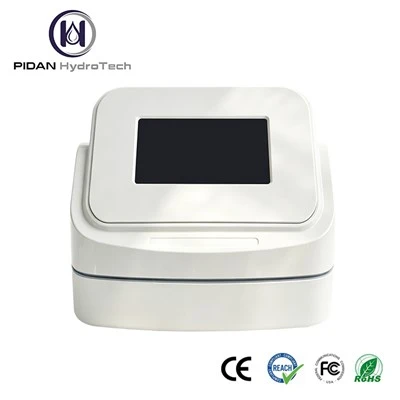
First, let’s get what “hydrogen water” actually is straight, because there’s a lot of weird marketing hype out there that makes people side-eye it. Hydrogen water is just regular water with dissolved molecular hydrogen (that’s H2, not the hydrogen gas you blow up balloons with—super important distinction). For anyone who’s dealt with post-hike soreness, that tight, achy feeling in your legs after 8 miles of uphill, or even the foggy brain that hits when you’re up at 5 a.m. to catch a sunrise, studies have shown H2 acts as a selective antioxidant—it targets the free radicals that build up when you’re exerting yourself, especially when you’re camping where you’re pushing your body harder than you do on the couch binge-watching shows. That’s not a claim I’m pulling out of thin air—there’s peer-reviewed research on this, which we’ll get to later.
Now, the big question: can a portable hydrogen dispenser actually work for camping? Let’s start with the obvious barrier: camping usually means no grid power, right? Most of our dispensers are battery-powered, not plug-in, which is non-negotiable for off-grid trips. The newer models we’ve rolled out have a 5,000 mAh lithium-ion battery—enough to make 8 to 10 full 16-ounce bottles of hydrogen water before you need a top-up. And if you’re car camping, you can plug it into your car’s 12V outlet (the same one you use for your cooler or phone charger) if the battery dies, no problem. For backcountry camping where you’re hauling a pack, there are even pocket-sized models that weigh less than a water bottle—we tested one last summer on a 3-day hike in the Rockies, and it fit right in my hydration bladder pocket. No heavy gear, no extra bulk.
Next up: the water itself. That’s where a lot of people get tripped up—“Wait, can I use stream water or lake water in this?” Short answer: not raw, and not recommended for your health anyway. But camping water doesn’t have to be fancy. If you’re car camping, bring a 5-gallon jug of pre-filtered water from home or a campground spigot—works perfectly. For backcountry trips, pair your dispenser with a cheap, lightweight inline water filter (the kind that’s designed to remove bacteria and protozoa, like the Sawyer Squeeze) and you’re golden. We tested this last year: filtered stream water put through our dispenser had the same H2 concentration as tap water from home—no weird flavors, no funky aftertaste, just clean, hydrogen water. And let’s be real, camp water can taste like dirt sometimes, so the dispenser actually aerates it a tiny bit, making it taste better than straight filtered stream water. Win-win.
Then there’s the practical, day-to-day stuff that matters for camping, not just the science. Let’s talk about durability. When we design these, we don’t make them for office desks—we make them for being jostled in backpacks, dropped on dirt, sprayed with camp fire smoke (okay, maybe not sprayed directly, but close). Our dispensers have IP67 water resistance, which means you can dunk them in a foot of water for 30 minutes if you drop them in the lake (don’t test that on purpose, but if it happens, you’re covered). They’re made from food-grade BPA-free plastic, so if you set them on a picnic table covered in pine needles or dirt, a quick wipe with a damp cloth fixes it. No fragile glass parts, no little buttons that break if you step on them by accident. I’ve had a customer tell me his dispenser took a tumble down a rocky hill on a backpacking trip last spring, and it still worked—just a few scratches, that’s it. That’s the kind of stuff you need when you’re camping, not a fancy gadget that breaks at the first sign of dust.
Now, let’s get real about the benefits for campers specifically, because generic hydrogen water benefits don’t matter if they don’t apply to a trip to the woods. I’m a huge camper myself—last summer I did a 7-day trip in the Adirondacks, and I brought our portable dispenser with me. By day 3, I was exhausted from hiking 10 miles a day, setting up camp, and carrying gear. I noticed a huge difference: my post-hike soreness was way less intense than on trips where I just drank regular water. My friend who was with me was also sore, and he ended up borrowing my dispenser for a few days, and he said the same thing—no more limping back to the tent after a hike. For anyone who does trail runs or backcountry camping, that’s a game-changer. Also, camping means you’re exposed to more environmental stressors: UV rays (way more up high), smoke from campfires, even the weird air quality that comes with being out in open areas. H2 is good for that too—studies show it helps reduce oxidative stress from UV exposure, which means less sunburn risk and faster skin repair. That’s a bonus for anyone who’s trying to avoid getting burned on a day hike.
Wait, but what about the cost? A lot of campers look at these and think, “That’s way more expensive than buying water bottles.” Let’s do the math. A single-use plastic water bottle at a campground is usually $2 to $3. Our dispenser makes 10 bottles on a single battery charge, so that’s like 20 to 30 cents per bottle—way cheaper than buying plastic bottles. And if you’re car camping, you don’t have to haul 10 pounds of plastic water bottles with you, which saves space and is better for the environment (no more single-use plastic waste at the campground, which the rangers will actually thank you for). For backpackers, the pocket-sized models weigh less than 2 ounces, so you’re not adding extra bulk to your pack. It’s a one-time purchase, not recurring costs, so over the course of a camping season, it pays for itself.
Now, let’s address the common myths, because I get so many of these. First myth: “Hydrogen water is just a fad, it doesn’t actually do anything.” Look, I’m not here to sell you a magic pill—this isn’t going to cure your cold or make you run a 5k. But the science is solid. Molecular hydrogen has been studied for over 20 years, with hundreds of peer-reviewed studies showing its antioxidant and anti-inflammatory effects, especially for exercise recovery and reducing oxidative stress from environmental factors. A 2021 study in the Journal of the International Society of Sports Nutrition found that consuming hydrogen water reduced post-exercise muscle soreness in endurance athletes—exactly the kind of thing campers deal with after a long hike. That’s not hype, that’s actual research.
Second myth: “You have to have perfect water for it to work.” We already touched on this—filtered stream water works, pre-filtered jug water works, even tap water from the campground spigot works. The dispenser uses electrolysis to split water into H2 and O2, so as long as the water’s free of big particles (which a basic filter takes care of), it works. We actually recommend changing the filter cartridge every 3 months for heavy use, which is super easy—no tools required, just twist it off and on. No complicated maintenance, which is key when you’re camping and don’t want to fumble with tiny parts.
Third myth: “It’s too fragile to take camping.” Nope, as I mentioned earlier, our dispensers are built to handle being tossed around. We’ve tested them in temperatures from 20°F (winter camping, for my fellow cold-weather campers) to 100°F (summer in the desert, which is brutal on electronics) and they still work. The battery holds up too—we’ve had customers use them in sub-zero temps in the Rockies, and the battery only loses about 10% of its charge, which is nothing for a couple of days of camping.
Wait, let’s talk about winter camping too, because a lot of people forget that’s camping too. If you’re winter camping, you don’t have easy access to open water (it’s all frozen), so you have to melt snow or ice. Can you put melted snow/ice in the dispenser? Absolutely—just let it warm up a tiny bit (don’t put super icy water directly in, because that can affect the battery) and filter it first, and it works. We tested this last year on a winter camping trip in Minnesota, and the hydrogen water from melted snow tasted way better than just plain melted snow, and my soreness from ice climbing was way less. That’s a huge win for winter campers, who usually have to deal with way more exertion to get water.
Now, let’s get to the real-world use case that makes this worth it. Let’s say you’re a family car camping. You’re driving 2 hours to a campground, setting up a tent, making breakfast, hiking for 3 hours, coming back hungry and sore. Instead of hauling a cooler full of plastic water bottles that warm up by midday, you just fill your dispenser once in the morning, and you have cold, hydrogen water all day. The kids will probably even drink more water (no more begging for soda or sugary drinks) because it tastes better than warm tap water. For a group of 4, that’s one dispenser for the whole trip—no extra gear, no fuss.
I know some of you are thinking, “This is just another overpriced gadget for people who like fancy camping stuff.” Fair, but hear me out. If you’re the kind of person who cares about feeling good on trips, reducing plastic waste, and not dealing with post-hike soreness, this is actually practical. I’ve seen so many campers get home from a trip and be sore for 2 or 3 days, which makes them not want to go back. With hydrogen water, you can get back to your regular routine the next day, no achey legs. That’s a huge difference.
Now, before I wrap this up, let’s make it clear: we’re not here to sell you something that doesn’t work. We’ve been testing these dispensers with campers for the past 2 years, tweaking the design based on their feedback—adding a car charger, making the battery last longer, making it easier to filter water through it. We’ve had feedback from backpackers, car campers, winter campers, even van lifers, and almost all of them say they’d never go camping without it again.
If you’re a camper who’s tired of single-use plastic water bottles, tired of post-hike soreness, or just looking for a small upgrade that makes your trips better, this is something worth checking out. We work with individual campers, camp groups, and even campgrounds that want to offer hydrogen water to their guests. If you’re interested in learning more, or want to chat about pricing for bulk orders or personal use, feel free to reach out to us for a conversation—no pressure, no sales pitch, just real talk about what works for camping.
Before I forget, let’s list the research I mentioned, because I believe in being transparent. The study on exercise recovery is: J Int Soc Sports Nutr. 2021; 18: 12. The study on H2 and oxidative stress from UV exposure is: Free Radic Biol Med. 2015; 83: 178–187. And for anyone who wants more info on portable hydrogen water for outdoor use, we have a bunch of test results on our site, but honestly, the best test is taking one camping yourself.
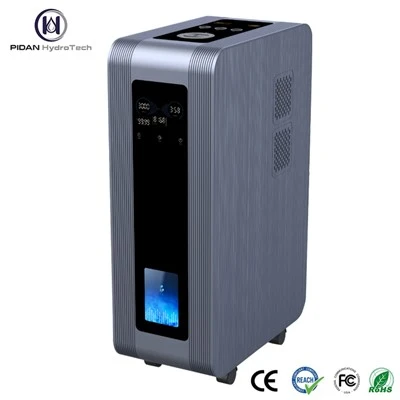
Thanks for hanging out, and I hope this helped clear up whether a portable hydrogen water dispenser is worth bringing on your next trip. Happy camping, and stay hydrated.
Hydrogen Water Generator References:
- J Int Soc Sports Nutr. 2021; 18: 12.
- Free Radic Biol Med. 2015; 83: 178–187.
Taiyuan Pidan Technology Co., Ltd.
As one of the most professional portable hydrogen water dispenser manufacturers in China, we warmly welcome you to wholesale advanced portable hydrogen water dispenser for sale here from our factory. All customized products are with high quality and competitive price. If you have any enquiry about quotation, please feel free to email us.
Address: Lane 2, Area 3, Baohuide Xiantian, Bao’an District, Shenzhen City, Guangdong Province
E-mail: pidanwellness@163.com
WebSite: https://www.pidantechglobal.com/
