If you’ve ever browsed our pizza oven catalog, you’ve probably seen one small tool on every spec sheet that sparks more questions than it’s worth: the pizza peel. As a pizza oven supplier who’s worked with home bakers, café owners, and even small pizzerias for 12 years, I can’t count how many times someone has rolled their eyes and said, “I’ll just grab a cutting board from the kitchen—why spend money on a peel?” Let’s cut through the noise: yes, you do need a pizza peel for your pizza oven, and it’s not just a “nice-to-have” accessory. It’s the difference between a perfectly charred, foldable Neapolitan slice and a burnt, stuck mess that ends up in the trash. Pizza Oven
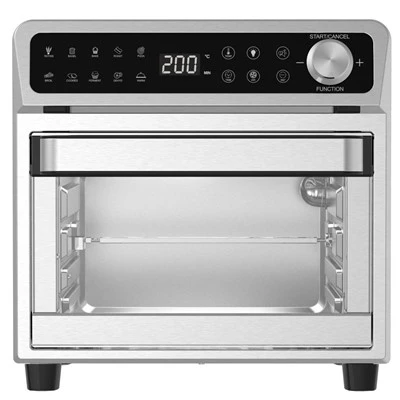
First, let’s ground this in how a pizza oven works. Our commercial and residential pizza ovens run at 800°F to 1,000°F—hot enough to cook a pizza in 90 seconds to 3 minutes, a timeline that relies on precision. A cutting board, even a heavy wooden one, can’t handle that kind of heat. Test this: slide a raw pizza dough onto a cold cutting board, then try to lift it into a hot oven. The board will warp, stick, and release tiny wood chips that will ruin your crust and leave a weird flavor. Worse, if you’re using a metal cutting board, it’s too smooth and will slip under the weight of the dough, sending half your pizza sliding onto the oven floor before you can react. We’ve seen this mistake so often that it’s the first problem new oven owners fix—after they realize their first five pizzas are ruined.
But it’s not just about getting the pizza into the oven. Pizza ovens need consistent heat distribution to create that crisp, chewy crust that makes people come back for more. A peel acts as a buffer between your hands (protected with a heat glove, obviously) and the intense oven heat, but it also lets you adjust the pizza’s position mid-cook. If one side is browning too fast, you can slide the peel under the pizza and shift it an inch or two. Without a peel, you’d have to reach into the oven with tongs or a spatula—tools that are too narrow to hold a whole 12-inch pie, and way too easy to knock the pizza off the stone. I remember a café owner who bought our 900°F commercial oven and tried to use a spatula for the first month. By the time he called us, he’d broken three spatulas and had only turned 20 good pizzas in 2 weeks. A $40 pizza peel would’ve fixed that.
Now, not all peels are created equal, and that’s where we see another common mistake: buying a generic peel from a big-box store that doesn’t work with your oven. Let’s break down the three main types, because picking the wrong one will make it feel like more of a hassle than a help.
First, wooden peels. These are the traditional ones, made from solid hardwood (usually maple or birch) and smooth, often with a flour-dusted surface to prevent sticking. They’re perfect for home bakers using our 700°F to 800°F residential ovens, because the wood stays cool enough to hold and doesn’t warp at lower temps. But here’s the catch: don’t put a wooden peel inside your oven. The wood will catch fire if it’s exposed to 1,000°F heat, which is why all our commercial ovens come with aluminum or stainless steel peels—metal that’s heat-resistant and won’t burn.
Second, metal peels. These are rigid, lightweight, and great for sliding pizzas in and out of high-heat commercial ovens. But they’re not ideal for transferring raw dough. Metal doesn’t absorb moisture the way wood does, so raw dough will stick to it almost every time unless you dust it with flour, semolina, or cornmeal. We tell our commercial customers to keep a small bag of semolina next to their peel— it creates a non-stick layer that’s way more effective than flour at high temps.
Third, perforated peels. These are metal peels with tiny holes drilled into the surface, and they’re a game-changer for crispy pizza crusts. The holes let excess steam escape from the bottom of the pizza while it’s cooking, so you don’t end up with a soggy middle. We started offering perforated peels as an add-on 5 years ago, and they’ve become our most popular accessory for customers who love thin-crust or New York-style pizzas.
Wait, but what if someone only uses their pizza oven a few times a month, or makes small personal pizzas? Is a peel still necessary? Let’s be real: yes. Even for a 8-inch personal pie, the same rules apply. You need a tool to slide the dough onto the hot stone, adjust it, and pull it out without burning your hands or the pizza. I’ve had customers tell me they “got by” with a fork for small pizzas, but let’s test that logic: a fork’s tines will poke holes in the dough, letting all the cheese and sauce leak out, and you’ll never get that even cook around the edges. For under $50, a small wooden peel is a tiny investment to avoid ruining a batch of dough that took 10 minutes to stretch.
Another common myth: a pizza peel is only for Neapolitan or New York-style pizzas. No, it works for every kind of pizza you make in a high-heat oven. If you’re doing deep-dish pizza, you still need a peel to get the heavy, cheese-laden pie into the oven without spilling. If you’re making barbecue chicken pizza, the same rule applies—you need that smooth, flat surface to slide the dough onto the stone. We even have a customer who uses our oven to make flatbreads for his restaurant’s appetizer menu, and he swears by his perforated peel for getting that crispy, cracker-like crust.
Let’s talk about the long-term value, too. A good pizza peel will last you 5+ years with proper care. For wooden peels, just wipe them clean with a damp cloth after use—don’t submerge them in water, because that can cause warping. For metal peels, scrub them with a non-abrasive sponge to keep the surface smooth, so dough doesn’t stick. Compare that to the cost of replacing ruined pizzas, or even worse, replacing a part of your oven if a stuck pizza pulls a chunk off the stone. I’ve seen a customer pull a half-cooked pizza off a stone without a peel, taking a 2-inch chip out of the surface—replacing the stone cost him $200, way more than a peel would’ve cost.
Now, let’s address the exceptions. Are there any cases where you don’t need a peel? If you’re using a very low-heat pizza oven (under 500°F) for home use, maybe a cutting board works— but even then, a peel is easier to handle and won’t warp. If you’re making frozen pizzas in a countertop pizza oven, you probably don’t need one, because frozen pizzas come with their own cardboard tray. But if you’re making fresh pizza, the kind that has stretchy dough and fresh toppings, a peel is non-negotiable.
At the end of the day, a pizza peel is a tool that makes the entire process easier and more consistent. It’s not a luxury—it’s a necessity for anyone who cares about the quality of their pizza. We’ve designed our peels to work seamlessly with our ovens, from the residential wooden peels for home bakers to the heavy-duty aluminum peels for café and pizzeria owners. We even offer custom sizes for customers who make 18-inch pizzas, so you don’t have to struggle with a peel that’s too small.
If you’re shopping for a pizza oven, don’t skip the peel. It’s the small accessory that has a big impact on your pizza. Whether you’re a home baker looking to impress your friends on movie night, or a small business owner looking to turn out perfect pizzas every time, a peel is worth the investment.
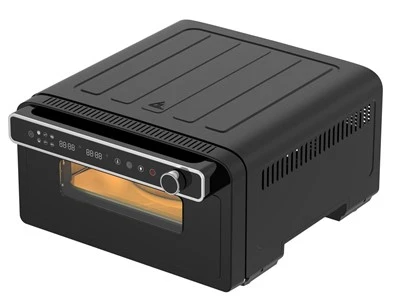
If you’re ready to upgrade your pizza setup, including your oven and your peel, reach out to us for a personalized consultation. We can help you pick the right peel for your oven size and cooking style, and answer any questions you have about how to use it to get the best results.
Basket Air Fryer References
- Associazione Verace Pizza Napoletana. 2022. Official Technical Standards for Neapolitan Pizza.
- Pizza Technology Magazine. 2021. “Essential Tools for High-Heat Pizza Ovens.”
- Home Baker’s Guide. 2023. “How to Choose a Pizza Peel for Your Home Oven.”
- International Pizza Expo. 2022. 10th Annual Report on Pizzeria Tool Trends.
Guangdong Qiaokang Electrical Appliances Co., Ltd.
As one of the most professional pizza oven manufacturers and suppliers in China, we have world-leading production equipment and strong manufacturing capabilities. Please rest assured to buy advanced pizza oven made in China here from our factory. Customized orders are welcome.
Address: No.18, Jinxiang Road, Sanjiao Town, Zhongshan City, Guangdong Province
E-mail: sales01@gdboling.com
WebSite: https://www.qiaokanghome.com/
