Hey there, fellow rooftop renovators and deck dreamers! Let’s cut right to the chase—if you’ve been scrolling railing options for your rooftop deck, you’ve definitely stumbled on cable railings, and now you’re wondering, “Wait, can I even use these up here? Rooftops are wild—wind, weather, all that jazz.” Spoiler: Yeah, you can, and if you’re weighing pros vs. other options like glass or aluminum pickets, you’re already on the right track. I’ve been selling cable railings for years now, so I’ve seen just about every question, fear, and random project (shoutout to the guy who tried to install these for his tiny NYC fire escape—don’t ask, but he made it work) and I’m gonna break this down like I would for a buddy who’s stumped by his own deck plans. Cable Railing
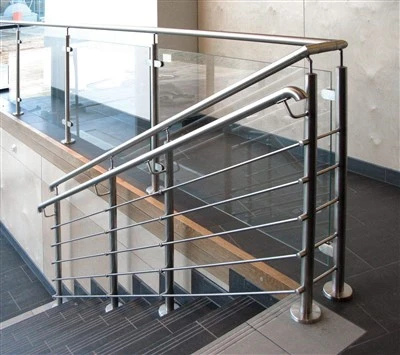
First off, let’s talk about the rooftop-specific stuff that makes people nervous. Rooftop decks are not ground-level patios—they’re exposed to way harsher conditions: high wind (we’ve all felt that random gust off a city building or suburban rooftop peak), constant sun exposure, maybe even salt air if you’re within a mile of the coast, and not to mention the whole load-bearing thing—your rooftop can only hold so much weight, right? Cable railings check all those boxes way better than most traditional railings, but let’s get into the why, not just the fact.
Wind is the big one people panic about. If you go with a solid picket railing, like aluminum or wood, all that surface area catches wind like a sail. We’ve had customers come back saying they used pickets and their railing bent so bad it was scraping the deck last windy season. Cable railings, though? They’re spaced so that wind flows right through—no big solid panel to catch, so way less stress on the structural posts and the rooftop itself. That’s a huge win, because if your rooftop structure can’t handle extra wind load, you might be stuck with minor repairs or worse. I remember a contractor in Chicago hit us up last year because his client’s new rooftop picket railing passed city inspections but was creaking super loud every time it got windy. He switched to our stainless steel cable system a week later, and he texted me a pic a month later saying no creaks, no issues, even through that brutal March wind.
Weather resistance is next, and it’s non-negotiable for rooftop stuff. No one wants to replace their railing every two years. Our cable railings are made from 316 marine-grade stainless steel, not the 304 stuff you find at the big box stores that’s only good for indoor or sheltered outdoor areas. 316 has that extra molybdenum blend that fights corrosion from salt, rain, snow, even that weird industrial grime you get near cities. We had a customer in Miami who put in 316 cable railings on his condo rooftop two years ago, and he sent us a side-by-side pic of his neighbor’s aluminum picket railing that’s already got white rust spots all over. Guess who’s not calling us now to compare?
Now, let’s tackle the code stuff, because nobody wants to fail a city or HOA inspection. This is where I see a lot of misinformation online, so let’s set the record straight. Most cities and HOA’s have specific rules for rooftop railings—height, baluster spacing, stuff like that. Cable railings are totally code-compliant as long as you follow the right specs. For example, the International Building Code (IBC) says that for a deck over 30 inches off the ground, the railing has to be at least 42 inches high, and the opening between any two railings can’t be more than 4 inches, so a kid can’t fit their head through. With cable railings, you just need to space the cables close enough—usually 3-inch gaps between each cable if you have enough of them, or a mix of cables and maybe a few pickets if you want the modern look but need extra spacing. Wait, but some HOA’s hate the “open” look? Nah, most love it because cable railings don’t block the view, which is a massive selling point for rooftops—you didn’t build a rooftop deck to stare at a wall of pickets, you built it to look at the city skyline, the mountains, whatever. I’ve had more HOA approvals for cable railings than any other style, because they look sleek, not clunky, and still meet all the safety rules.
Wait, let’s not forget the load thing. Rooftop decks have weight limits, right? Every component adds up—pickets, posts, concrete footings, even the glass infill some people use. Cable railings are way lighter. Our standard cable system is like half the weight of a comparable aluminum picket railing. That might not sound like a big deal, but when you’re dealing with a rooftop that might have been built to handle extra stuff like HVAC units, shaving off a few hundred pounds of railing can mean you have more room for furniture, planters, that big outdoor grill you’ve been eyeing. I always tell customers to check their rooftop’s load rating first—most newer buildings are fine, but if it’s an old historic rooftop, the lighter cable system is way easier on the structure without needing extra reinforcements.
But wait, let’s be real—no product is perfect, so I’m gonna hit the cons too, because I’m not gonna sell you something that’s gonna give you headaches down the line. First, installation. Cable railings aren’t as easy as just screwing in pickets. You need to tension the cables properly—too loose, and they look saggy, which is not only ugly but also a safety hazard (kids can pull them down). Too tight, and you might bend the posts or even snap the cable, especially in cold weather. That’s why I always recommend hiring a pro who’s worked with cable railings, or if you’re a DIYer, go slow, watch a ton of tutorial videos, and maybe borrow a cable tensioner tool (we even sell those as add-ons). I’ve had DIY customers skip the tension step and end up with a railing that looked like a slinky, so don’t cut corners there. Another con? Maintenance. You can’t just leave them and forget them like a wood railing. You need to occasionally check the tension of the cables, especially after big wind or snow events, and wipe them down to keep grime from building up. But compared to sanding and staining wood every year, that’s a 10-minute job once every few months, so it’s nothing.
Now, let’s talk about when cable railings are actually the best pick for a rooftop, vs. when you might want another option. If you care about unobstructed views (hello, rooftop decks—this is non-negotiable for most people), hate heavy railings that add stress to your roof, live in a windy or coastal area, and want something that meets all safety codes? 10/10, cable railings are for you. If you have a super strict HOA that only allows solid railings, or you want a super traditional, ornate look? Then maybe go with pickets, but I’ve seen even strict HOA’s approve cable railings now because they’re not just functional, they’re modern and don’t clutter up the rooftop space.
Wait, I also wanna mention something a lot of people overlook: pets and kids. If you have little ones or dogs, you’re worried about them squeezing through, right? As long as you space the cables correctly (we recommend a maximum of 3.5 inches between cable centers, which is tighter than the IBC’s 4-inch rule, just to be safe), that’s totally fine. We had a customer with two golden retrievers on his Brooklyn rooftop, and he said the cables are so close they can’t stick their heads through, and he never has to worry about them jumping over the railing. Way better than glass railings, which can be slippery if a dog tries to climb them, or wood pickets that might have gaps big enough for a pup to squeeze through.
Another thing: customization. A lot of people think cable railings are just the same old silver, but no. We sell them in black, bronze, even white finishes, so you can match your rooftop’s style—whether it’s a modern industrial loft, a cozy suburban rooftop garden, or a sleek penthouse deck. You can also add extras: glass infill panels if you want a little more privacy, light strips that run along the top rail for nighttime rooftop hangs, even planter boxes that mount to the posts so you can grow herbs or flowers along the railing. That’s a fun touch most other railings don’t let you do as easily.
Let me circle back to the original question: Can you use cable railings on a rooftop deck? After all this, the answer is a resounding YES—if you do it right, pick the right materials, hire the right installer, and follow the local codes. I’ve installed (or helped customers install) hundreds of rooftop cable railing systems, and every single one of them has held up way better than the traditional railings they had before.

If you’re ready to stop stressing about whether cable railings will work for your rooftop, or you just wanna chat through the specs, the finishes, or even get a quote, hit us up. We work with residential homeowners, contractors, even big property managers, so whether you’re doing a tiny 10×10 rooftop deck or a whole building’s rooftop amenity space, we’ve got you. No pushy sales stuff, just straight answers and quality cable railings that actually hold up to rooftop life.
Cable Railing References:
International Building Code (IBC) 2021.
Marine Grade Stainless Steel Specifications (ASTM A240/A240M).
City of Chicago Department of Buildings Rooftop Deck Railing Requirements.
National Association of Home Builders (NAHB) Railing Safety Guidelines.
ZP Aluminum Co., Ltd.
ZP Aluminum Co., Ltd. is one of the most professional cable railing manufacturers and suppliers in China. With abundant experience, we warmly welcome you to wholesale customized cable railing made in China here from our factory. If you have any enquiry about quotation, please feel free to email us.
Address: LEPING INDUSTRIAL ZONE, SANSHUI DISTRICT, FOSHAN, GUANGDONG, CHINA
E-mail: general@zp-aluminum.com
WebSite: https://www.zp-railing.com/
