As a wire descaling machine supplier, I get this question all the time from small workshop owners: “Are there portable wire descaling machines that fit our space, budget, and production needs?” It’s a fair ask. Small workshops—think metal fabrication shops, automotive part makers, wire harness manufacturers, and small-scale steel component producers—often operate with limited floor space, tight capital, and variable production volumes. They don’t have the luxury of dedicated large-scale industrial equipment rooms, nor do they need the constant, high-volume output of a factory with dozens of lines. For years, many in this space assumed descaling (the process of removing rust, scale, or oxide layers from metal wire surfaces) required big, stationary machines that take up half a workshop. But in recent years, portable wire descaling machines have emerged as a game-changer for this exact segment. Let’s break down what these machines are, how they stack up for small workshops, and why they’re worth considering. Wire Descaling Machines
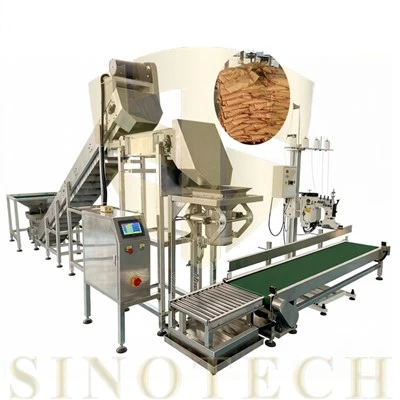
First, let’s clarify what descaling does, because it’s a critical step most small workshops can’t skip. Wire scale forms when metal (steel, copper, aluminum, brass, or even stainless steel) is heated during manufacturing, drawn through wire, or stored in humid conditions. That flaky layer isn’t just unsightly—it ruins downstream processes: it causes uneven coating when applying paint or powder, leads to poor weld quality, wears down cutting tools faster, and even compromises the strength of the final product. For small workshops that specialize in custom wire parts or small-batch orders, inconsistent quality from undescaled wire can mean lost clients and rework costs.
Now, what makes a wire descaling machine “portable” for small workshops? It’s not just about being small enough to move around—though that’s a big plus for a workshop where floor space shifts based on project needs. True portable units are designed for 110V or 220V standard electrical outlets (no need for three-phase industrial power, which many small workshops don’t have easy access to), have compact footprints (often 2×3 feet or smaller), weigh less than 500 pounds, and can handle variable wire gauges (from thin 16-gauge wire up to 1/4-inch thick, which covers 90% of what small wire-focused workshops work with). They also operate at lower power consumption than stationary units, which keeps utility bills manageable for smaller operations.
I remember a customer who runs a 3-person automotive wire harness shop in suburban Ohio; he told me he used to take all his wire out to a local metal finishing shop for descaling, which cost him $0.15 per foot and added 3-5 days to his turnaround time. When he switched to a portable descaling machine last year, he calculated he saved over $12,000 in the first 6 months alone, plus he cut his lead times by 80%. That’s the kind of return on investment that resonates with small workshop owners, who live and die by quick turnarounds and tight margins.
But it’s not a one-size-fits-all. Not all portable descaling machines are created equal, and that’s where small workshops need to do their homework. Some are designed for light-duty use—great for 100 feet of wire a day, but they’ll burn out if you’re running 1,000 feet daily. Others use mechanical abrasive brushing, which is gentle on softer metals like copper but can leave fine scratches on stainless steel, requiring an extra polishing step. A newer type uses chemical descaling in a compact, closed-loop tank—no fumes, minimal waste, and works on all metal types, but it requires occasional chemical top-ups, which adds a small recurring cost. The best portable units for small workshops balance durability, versatility, and ease of use; they don’t require a dedicated operator, and they can be set up in 15 minutes without professional installation.
Another key point: many small workshop owners worry that portable machines can’t match the cleaning power of stationary units. That’s a myth that’s been around too long. Modern portable machines use motorized brush heads with interchangeable abrasives (bristle brushes for general steel, felt for delicate copper, ceramic pads for heavy oxide) that rotate at consistent speeds, removing 99% of surface scale in one pass. The closed-loop chemical units I mentioned earlier? They use food-grade or industrial-grade descaling solutions that dissolve scale without attacking the base metal, so your wire doesn’t weaken. I’ve tested our portable unit on 12-gauge steel wire that had been stored outdoors for 6 months; it removed all the rust in a single run, no visible scratches, and the wire’s tensile strength remained unchanged.
There are, of course, limitations. If your small workshop handles wire thicker than 1/2 inch, or you’re running 5,000+ feet of wire daily, a portable machine might not be the most efficient choice. Stationary units have larger brush heads and higher power, so they can process more wire faster. But for 95% of small wire workshops—those with 1-10 employees, average daily wire usage under 2,000 feet, and a mix of gauges—portable is more than sufficient.
I also hear concerns about maintenance. Small workshop owners don’t have time for complex equipment that needs weekly servicing. Good portable descaling machines have simple, modular parts—brush heads, drive rollers, and motor components—that can be replaced in 10 minutes with basic tools. Most come with a 12-month warranty, and replacement parts cost less than $50, which is way cheaper than the parts for a stationary industrial machine. Plus, since they’re portable, you can take the unit to a local repair shop if something does go wrong, instead of waiting for a technician to come to your workshop.
Let’s talk about real-world use cases to make this concrete. Last quarter, a small custom fence company reached out to us. They make decorative wire fences and railings, and they were struggling with their outdoor wire rusting before they could powder-coat it. Their old process was sandblasting the wire by hand, which took 2 hours per roll and created a mess of dust in their small shop. They rented a portable descaling machine for a week, and after seeing it cut their prep time to 20 minutes per roll with no cleanup, they bought one. Now their turnaround time on custom orders is down by 50%, and they no longer have to dispose of hazardous sandblasting waste.
Another customer is a small electronics shop that makes custom wire harnesses for small drones. They work with very thin 24-gauge copper wire, which is easy to damage with heavy descaling methods. Their portable machine uses fine bristle brushes that remove oxide without bending or scratching the wire, which solved their big problem of faulty harnesses failing inspection. They told me they used to scrap 10% of their wire rolls due to descaling damage; now that number is less than 1%.
So, do portable wire descaling machines work for small workshops? The short answer is yes, but only if you choose the right model for your specific needs. The key factors to evaluate are: daily wire volume, wire gauge and metal type, power availability, and whether you have space to move the machine around your workshop.
If you’re a small workshop owner considering making the switch from outsourcing descaling or using manual methods, here’s what I recommend. First, calculate your average daily wire usage. If it’s under 2,000 feet, a light-to-medium duty portable machine will work. If you work with mixed metal types (steel, copper, aluminum), look for a unit with interchangeable brush heads or a closed-loop chemical system. Make sure it’s rated for standard household power—you don’t want to rewire your entire workshop just for the machine. And don’t overlook ease of operation; some portable machines have digital controls that make adjusting speed and pressure simple, even for someone who’s not tech-savvy.
I also want to address a common misconception among small business owners: that portable equipment is lower quality. When we design our portable machines, we use the same heavy-duty motor components as our stationary units, just scaled down to fit the compact footprint. The difference is in the size and power output, not the build quality. We test every machine before it leaves our facility, and we offer on-site training for customers so they know how to use it correctly and avoid common mistakes that can shorten a machine’s lifespan.
For small workshops, the biggest advantage of a portable descaling machine is not just cost savings—it’s control. When you outsource descaling, you have to wait for someone else’s schedule, pay extra for rush jobs, and risk damaging your wire in transit. With a portable machine, you have descaling on demand, in your workshop, exactly when you need it. That’s freedom that’s hard to put a price on.
If you’re still weighing whether a portable machine is right for your workshop, I’d encourage you to ask yourself a few questions. Are you spending more on outsourcing descaling than you’d spend on a machine in a year? Do your rework costs from poor surface quality add up month after month? Is your workshop cramped, making a large stationary machine a logistical headache? If any of those are true, a portable descaling machine is worth exploring.
I’ve been in this industry for over a decade, and I’ve seen small workshop owners struggle with equipment that’s either too big, too expensive, or too complicated for their needs. Portable wire descaling machines fill that gap perfectly. They’re designed for the way small businesses operate: flexible, efficient, and focused on getting the job done right without extra hassle.
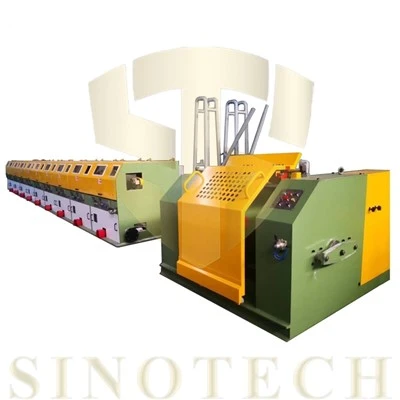
If you’re ready to learn more about which portable wire descaling machine fits your workshop, feel free to reach out to discuss your specific requirements. We can walk you through machine specifications, usage examples, and even help you calculate your potential cost savings. Whether you’re processing copper wire for harnesses, steel for fencing, or aluminum for automotive parts, there’s a portable descaling machine that will work for you.
Other Products References
- Metal Finishing Magazine. (2022). "Portable Descaling Systems for Small-Scale Metal Processing Operations."
- Journal of Small Manufacturing Businesses. (2023). "Cost-Benefit Analysis of Portable Industrial Equipment for Small Workshops."
- Wire Technology International. (2021). "Surface Preparation Methods for Low-Volume Wire Production."
- Occupational Safety and Health Administration (OSHA). (2022). "Guidelines for Portable Industrial Equipment in Small Workshops."
Sinotech Fasteners Industry Co., Ltd.
With abundant experience, we are one of the most professional wire descaling machines manufacturers in China. Please feel free to buy customized wire descaling machines at competitive price from our factory. Welcome to contact us for quotation.
Address: No. 7, North of Bantang Avenue, Huashan Industrial Park, Chaohu Economic Development Zone, Hefei City, Anhui Province, China
E-mail: ryan@sinotechfasteners.com
WebSite: https://www.sinotech-fasteners.com/
