As a supplier of automatic plastic cylinder machines, one of the most frequent questions I get from new customers—whether they’re small-batch manufacturers just starting out or mid-sized producers looking to upgrade their packaging line—is about warranty periods. It makes sense: a plastic cylinder machine is a significant investment, often running into tens of thousands of dollars, so understanding how long coverage lasts, what it includes, and how to keep it active can mean the difference between a smooth production year and unexpected downtime that cuts into profits. Let me break this down clearly, based on years of working directly with machine users and refining our warranty policies to match real-world production needs. Automatic Plastic Cylinder Machine
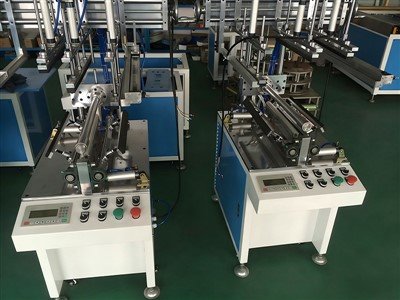
First, it’s important to note that there’s no one-size-fits-all answer to “what’s the warranty period?” A lot depends on the type of machine you’re buying, the materials it’s used with, and how it’s operated. For our core line of standard automatic plastic cylinder machines—those designed for food packaging, cosmetic containers, and general industrial plastic cylinders—we offer a 12-month warranty from the date the machine is delivered and installed at the customer’s facility. That timeline isn’t arbitrary; it’s built to cover early manufacturing defects, which typically surface within the first year of heavy use. Most production facilities run these machines 8 to 12 hours a day, five days a week, so 12 months aligns with the period when a machine’s internal components (motors, heating elements, control panels) are most likely to show flaws that existed before the machine left our factory.
But that’s just the base warranty. We also offer an extended warranty option for customers who want longer coverage, which is popular with clients who use their machines for 24/7 production or who operate in high-volume environments. The extended warranty can be purchased for 12, 24, or even 36 months, depending on the customer’s needs. When we designed this, we considered that a well-maintained machine can run reliably for 7 to 10 years, but unplanned failures in the second or third year can be costly for production lines. The extended warranty covers the same defects as the base plan, plus it includes discounted service calls for routine checks—something we’ve found adds value for clients who don’t have an in-house maintenance team.
Now, let’s get into what the warranty actually covers, because that’s where many customers get confused. A lot of manufacturers will advertise a 12-month warranty but exclude key parts like heating coils or hydraulic seals, which are wear items. For our machines, the warranty covers all structural and mechanical defects: for example, a faulty control board that stops the machine mid-cycle, a broken main motor, or a flaw in the frame’s welding that causes misalignment during cylinder formation. We do not cover normal wear and tear items, though. That means things like cutting blades, conveyor belts, seal rings, and heating elements are not included, because these parts are designed to degrade with use, like brake pads on a car. We also don’t cover damage caused by improper operation—for example, if a worker uses the machine to process a plastic material that’s too thick for its design, or if they skip regular maintenance like lubricating moving parts. This isn’t a loophole; it’s a safeguard to make sure the machine lasts as long as it should. If you take care of it, the warranty will take care of you.
I’ve seen too many cases where a customer’s warranty was void because they tried to repair the machine themselves, or used non-genuine replacement parts. We strongly recommend that all service and repairs be done by our trained technicians, either on-site or via remote support. Remote support is one of the biggest perks we offer; most of our customers don’t have a technician on staff who’s familiar with our specific machine controls, so we can walk them through diagnostic steps over the phone or video call, often solving small issues in minutes without needing a service visit. For more complex problems, our technicians travel worldwide, and having non-genuine parts installed is a surefire way to void the warranty, because third-party parts often don’t fit the precision tolerances our machines are built for.
Another point that’s often missed: the warranty starts when the machine is installed, not when it’s shipped. We’ve had customers run into issues here, especially those who order machines well in advance of when they’re ready to set up their production line. If a machine sits in a warehouse for six months, components can degrade from being stored improperly, and we don’t want customers to lose coverage because of delays in installation. As long as we document the installation date, that’s what triggers the warranty start. We also require that customers provide proof of installation within 30 days of the machine being set up, which helps us keep track of maintenance schedules and warranty timelines.
For specialty machines, like those used for medical-grade plastic cylinders or custom-shaped designs, the warranty is a bit different. These machines have more specialized components—things like clean-room compatible parts or custom tooling—that are harder to manufacture and repair. For these, we offer a 18-month base warranty, because the components are more precise and the demand for reliability in medical and pharmaceutical packaging is higher. We also work closely with these customers during the installation and training phase, so our technicians can ensure the machine is set up correctly for their specific application, reducing the risk of defects that would fall under the warranty.
To make sure customers get the most out of their warranty, we include a free training session with every machine purchase. This training covers not just how to operate the machine, but also routine maintenance checks, how to identify early signs of potential issues, and what to do if a problem arises. For example, we teach customers how to check the machine’s alignment weekly, how to clean the heating elements to prevent buildup, and how to adjust conveyor tension to avoid unnecessary wear. Small steps like these can prevent a lot of the issues that would otherwise trigger a warranty claim, and they also help extend the machine’s overall lifespan.
I want to be transparent here: a warranty is only as good as the supplier behind it. Early in my career, I worked for a company that offered a 24-month warranty but had a network of technicians who were untrained, so service calls would take weeks to schedule, and parts were often out of stock. That’s why when we started our own business, we built a global network of trained service technicians and keep all common parts in stock in warehouses across North America, Europe, and Asia. That way, if a customer has a warranty issue, we can get a technician on-site within 48 hours for most locations, and have replacement parts delivered within a week. It’s not just about the length of the warranty; it’s about being able to deliver on it when you need it.
A lot of new customers will ask if they can get a longer warranty than 36 months, and the answer is usually no—for standard machines, anyway. Beyond that point, the rate of normal wear and tear increases, and it’s hard to cover all potential issues without driving up the machine’s cost significantly. Instead, we recommend a maintenance service plan, which is separate from the warranty, for customers who want ongoing support after the warranty expires. These plans include quarterly inspections, priority service calls, and discounted parts, which is a more flexible way to keep the machine running reliably without paying for coverage on components that are designed to wear out.
I’ve had customers tell me that a 12-month warranty is too short, but when I explain that most of our customers run their machines for 8 to 10 years with proper maintenance, they usually see the value. The warranty is there to protect against defects that are our responsibility, not to cover every little thing. For example, last year a customer had a motor fail at 14 months, which was covered under the base warranty—we replaced it for free and had a technician on-site the next day. Another customer, though, had a cutting blade break after 10 months; that’s a normal wear item, so we offered to sell them a new blade at a discounted rate, which was cheaper than if they’d had to buy it elsewhere. That’s the balance we try to strike: support our customers when it’s our fault, and be fair when it’s not.
If you’re in the market for an automatic plastic cylinder machine, don’t just look at the warranty period as the only factor. Ask what’s included, what’s excluded, how easy it is to get service, and what the process is for filing a claim. A longer warranty that comes with poor service is worse than a shorter one with reliable support. We’ve built our business on repeat customers, so our warranty policy is designed to make sure that when something goes wrong, we’re there to fix it quickly, so your production doesn’t stop.
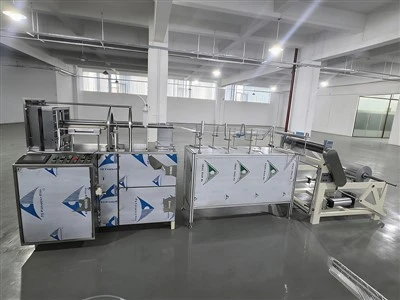
If you’re ready to discuss your specific needs, whether you’re a small shop looking for a starter machine or a large facility needing a high-volume line, we’re here to help. We can walk you through the warranty options for different machine models, explain what maintenance steps will keep your coverage active, and answer any other questions you have about your investment. Don’t hesitate to reach out to talk through your project and find the right machine for your business.
Round Packaging Box Forming Machine References
Automatic Plastic Cylinder Machine Operation and Maintenance Guide, Industrial Packaging Association, 2022
Warranty Standards for Industrial Packaging Machinery, National Machine Builders Association, 2021
Titagong (Dongguan) Machinery Co., Ltd.
We are one of the most reliable manufacturers and suppliers of automatic plastic cylinder machine in China. With abundant experience, we warmly welcome you to buy bulk high quality equipment in stock here and get pricelist from our factory. For price consultation, contact us.
Address: No.149, Qingyi Road, Qingxi Town, Dongguan City, Guangdong Province, China
E-mail: shuaizoe@gmali.com
WebSite: https://www.titagonggroup.com/
