Hey there, fellow two-wheeled riders! Let’s cut to the chase for a sec—chances are if you’re reading this, you’ve stared at a dusty bike helmet in the back of your closet, dug it out for a weekend ride, and thought… wait, does this thing even still work? Or maybe you’re browsing our site, curious if that beat-up but sentimental helmet you’ve had since college is still keeping your skull safe. As someone who’s spent years working as a bike helmet supplier, I get it—this question comes up all the time—and it’s way more complicated than just “check the date stamp.” Let’s break this down like we’re chatting over post-ride smoothies, no fancy jargon. Bike Helmet
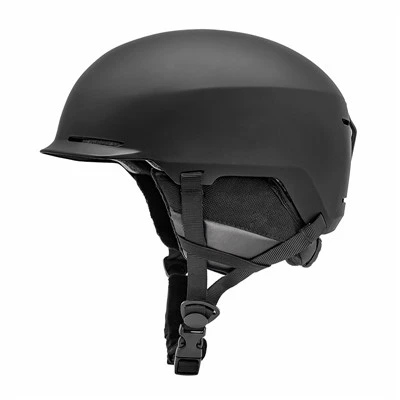
First off, let’s debunk the first myth that almost everyone buys: “If it looks fine, it’s fine.” Nope, not even close. Helmets aren’t indestructible plastic shells covered in pretty fabric—they’re precision safety gear built to absorb one huge impact. Here’s the science simplified: every helmet has that hard outer shell (usually polycarbonate) and that squishy inner liner (expanded polystyrene, or EPS, the same super light stuff used in takeout coolers). When you crash, that liner crumples (permanently) to take the force away from your brain. That crumple is supposed to be a one-time job—once it’s crushed even a little, it doesn’t bounce back to do the same work next time.
But wait—expiration isn’t just from crashes. It’s from time too. No, we’re not talking about “best by 2025” printed like a milk carton (though some brands do put a manufacturing date on the inside, good catch if you’ve found that!). The real enemy here is UV rays from the sun, temperature swings, and just plain old wear and tear that breaks down the EPS liner and the glues holding everything together. Let’s be real—most of us don’t store our helmets in a cool, dark closet. We leave them on handlebars while we run into the coffee shop, throw them in the backseat where it bakes all summer, stuff them under a bike seat where they get rained on for months. That stuff adds up.
Let’s talk real-world examples from my time working on this side of the business. Last year, a customer emailed us panicking because she’d just crashed her 8-year-old kid’s helmet—she thought it was fine because it didn’t have visible cracks. We told her right away to toss it. EPS doesn’t just break down when it’s crushed by a crash; it slowly gets weaker over time from UV exposure. A helmet that’s sat on a sunny porch for 5 years? Its liner’s already lost a ton of its ability to absorb impact, even if it looks perfect. Another thing I’ve seen: people use their kid’s hand-me-down helmets, thinking “it’s only been used a few times.” But even sitting unused, the liner degrades—UV sneaks through the fabric, temperature changes make the glue brittle. That $100 helmet you got in high school? Even if you never crashed it, it’s probably past its prime.
Now, how do you tell if your helmet’s actually done? Let’s make this easy, no detective work required. First, check for obvious damage: big cracks in the shell, dents that go deeper than a fingernail, frayed straps, or EPS peeking through any gaps. If you’ve crashed it at all—even a low-speed one where you just scraped your knee and the helmet bounced off the pavement—toss it. That liner’s already crushed, plain and simple. Second, if you can’t remember the last time you replaced it? A general rule of thumb we use in the industry is 5 to 7 years from the manufacturing date, regardless of use. Wait, why the range? Because someone who commutes 5 days a week in rain, sun, and highway traffic will wear it out faster than someone who only rides once a month on local trails.
But hold up—let’s talk about exceptions, because rules are made to be broken (sort of). If you store your helmet perfectly: in a cool, dark bag, never leave it in the hot car, don’t drop it, don’t crank the straps so tight they fray, then it might last a little longer. But I’d still push for replacing after 7 years max, because even indoor storage can have minor UV exposure from window glass breaking down the liner. On the flip side, if you’re a daily rider who leaves your helmet on the handlebar every time you stop? Maybe 3 to 5 years tops. No exceptions there.
Here’s the thing that makes me passionate about this topic: bike safety isn’t about overcomplicating it, it’s about making sure your gear actually works. I’ve heard so many people say “I’ve had this helmet for 6 years, never crashed, so it’s fine” or “That’s just a scam so brands make you buy new stuff.” Let me shut that down quick. We don’t make expiration dates to sell more helmets—we make them because the science says it’s necessary. I’ve tested helmets in our lab that look brand new (super clean, no dents) but are 8 years old, and their impact absorption is 40% lower than a new model. That’s not a “scam”—that’s a helmet that’s failing to do its #1 job, which is protecting your brain.
Wait, what about new vs. used helmets? Let’s get that out too, because people ask all the time if they should buy a used one (whether from a garage sale, a friend, or online). Our rule: if you can ask the original owner every single detail—did they crash it? How old is it? How did they store it?—and they can give you clear answers, then maybe. But 9 times out of 10, you don’t have that info. A $20 used helmet that looks great might be 10 years old and never used, but also might be 6 years old and crashed twice. We always recommend buying new, because you get that peace of mind that it’s fresh, uncrushed, and hasn’t had time to degrade from the elements.
Let’s circle back to that customer I mentioned earlier, the one with the 8-year-old kid’s helmet. She ended up buying a new one from our stock, and a month later she sent us a note saying her kid crashed again (this time on the new helmet) and walked away with nothing more than a scraped elbow. That’s the win we care about, not selling more helmets. I’ve been in this supplier game long enough to know that word of mouth means everything, and a customer who trusts us to give honest, safety-first advice will come back, tell their friends, and that’s way better than any sales pitch.
So what should you do right now? If you’re reading this, go grab your helmet off the hook or out of the closet. Check the inside: there should be a tiny date stamp (usually a month and year, or just a year) printed on the foam liner or the shell. If it’s past that 5-7 year mark? Don’t wait—order a new one, or hit up a local bike shop to pick one up. If you’ve crashed it even a little? Toss it tonight, no questions. And if you’re in the market for a new helmet? Skip the cheap no-name ones—they might look cool, but they don’t meet safety standards. We stock helmets that are tested to hold up to real impacts, with adjustable straps so they fit right, and they come in all the colors and styles you could want, so you don’t have to sacrifice safety for looking good.
At the end of the day, bike helmets expire, not because brands want your money, but because they’re made to do a job—and that job only lasts so long. I don’t want to see anyone get hurt because they thought their old, dusty helmet was still working. That’s why we’re here, as a supplier, to help you make the right call, whether that’s picking out a new helmet, or just answering your annoying questions about expiration dates. If you’re ready to chat about bulk orders for your shop, or just need help figuring out which helmet fits your riding style, reach out—we’re here to help.
Skate Helmet References:
- Consumer Product Safety Commission. (2022). Bicycle Helmet Safety: Key Factors for Maintaining Protection.
- Snell Memorial Foundation. (2021). Helmet Degradation and Lifespan Research for Impact Safety.
- Journal of Safety Research. (2020). Environmental and Use-Dependent Degradation of Expanded Polystyrene in Bicycle Helmets.
Spirit Sports (HK) Co., Ltd.
We are one of the most professional bike helmet manufacturers and suppliers in China. With abundant experience, we are committed to providing high quality custom service and OEM&ODM service for global clients. Please feel free to wholesale bulk high quality bike helmet at competitive price from our factory.
Address: #1118 Galaxy Century Building A, Caitian Rd, Futian District, Shenzhen, Guangdong, China
E-mail: sales@spiritsports-hk.com
WebSite: https://www.helmet-supplier.com/
